
The probe thermometer zip-tied to my bed frame read 80 degrees, and I was three flips deep into a pillow that had quit being cool an hour before. Peeling the top sheet off my legs, I ran the same grim arithmetic every Tucson summer forces on a hot sleeper: the AC was going, the room still wouldn't fall under the high 70s, and last July's electric bill had already crossed $487. None of the cooling sleep tech stacked in my closet had moved that number, and dropping the thermostat only fed a compressor old enough to remember the Clinton administration.
Quick disclosure before I go further: most product links on this page are affiliate links, so if you click through and buy, I earn a commission at no extra cost to you. Everything here ran a full summer test cycle on my own bed, paid for on my own card before it earned a mention. I'm not a sleep doctor, just a hot sleeper who quit believing marketing copy that promises arctic nights on a polyester blend.
My first fixes were cheap and useless. For a couple of weeks I froze pillowcases in ziplock bags overnight and swapped them at three in the morning, which bought maybe twenty minutes of relief and a crick in my neck. A wifi bedroom fan I'd rigged to a pre-cool schedule dropped its connection three nights running, so the timer never fired and I woke to the same warm room. The real problem was never the air temperature — it was the convective cooling between my skin and the mattress, or the lack of it, and none of the drugstore tricks touched that.
The Server-Rack Fix for a Hot Bed
Diagnosing bottlenecks and thermal loads on server racks is my day job, so the fix eventually looked obvious: stop trying to chill 1,800 square feet down to 72 for one body, and cool the bed like a high-density rack that needs its own dedicated airflow. That logic is what finally put a BedJet 3 at the foot of my bed instead of another set of "cooling" sheets from Mattress Firm. Before it, I'd burned a month on a gel mattress topper — cool for maybe half an hour, then heat-soaked by the second night, holding my body warmth like a brick left out in the sun. Static gels are thermal batteries, not coolers; how air-based and water-based rigs really differ is the rabbit hole I go down in my BedJet vs Chilipad Review: Which Bed Cooling System Works Best?
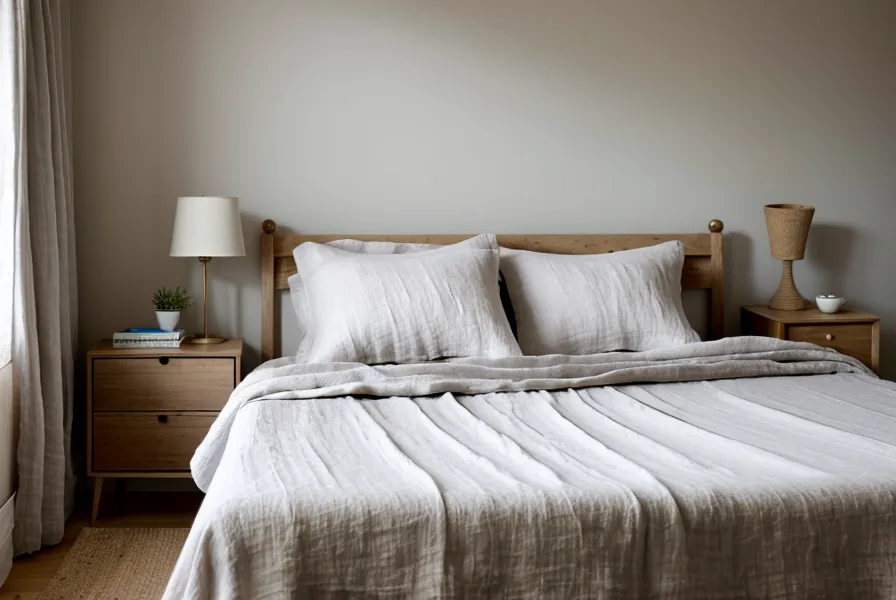
Setup took about ten minutes: a bracket slid under the mattress, the hose hooked over the side, one plug. The first night, the sheet ballooned into a taut pocket over my legs with a soft hiss before I'd even reached for the lamp, and the air rolling out of it came off dry rather than just cold. It isn't invisible — the unit sits at the foot of the bed, and at higher fan speeds the hose picks up a faint note you'll catch in a silent room. On the cooling itself, I quit chasing a mood and started watching one gap: the difference between the room and the sheet.
A cooler bed still loses to a room that keeps baking it. The bedroom runs its own through-the-wall AC alongside the central HVAC, so I can hold that one room down without dragging all 1,800 square feet with it — the rest of those tactics live in my guide on How to Cool Down a Bedroom for Sleep Without Cranking AC.
The Thirty-Night Logging Test Results
Every product that touches the bed gets the same rule: a minimum of thirty nights, with the probe thermometer zip-tied to the bed frame at mattress height and readings logged at 10 PM, at 2 AM, and again at wake-up. Nothing gets written up off one good night. The gap I actually track is the sleep-surface temperature, where my body meets the mattress, not the number on the wall thermostat.
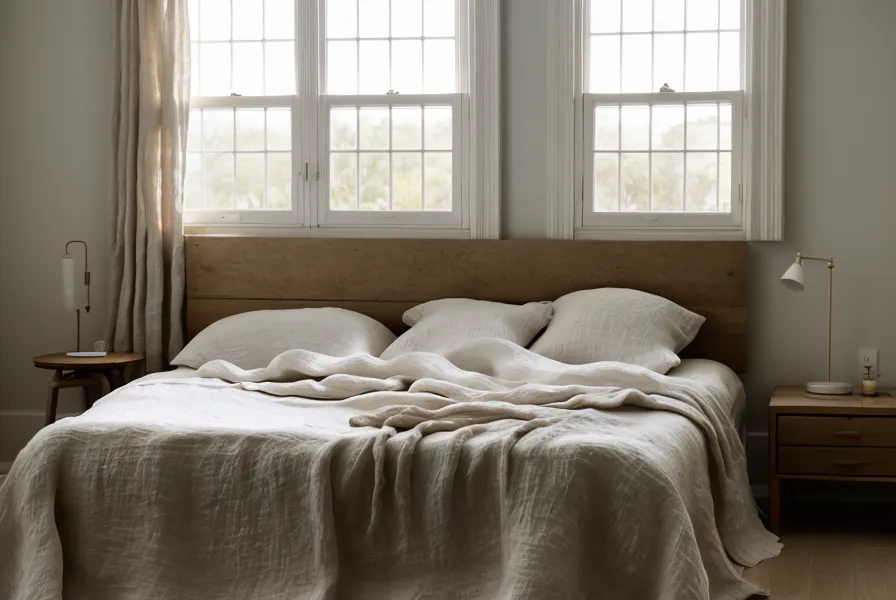
At 10 PM the room sat around 79 with the bed surface a degree warmer at 80; by 2 AM the room had barely budged to 78 while the sheet had dropped to 69; by wake-up the surface had climbed back to 75 as the Biorhythm timer eased the air warmer. That last part earns its keep — the timer walks the temperature up toward morning, which is why I stopped surfacing at five o'clock chilled and wide awake.
One night around four I flipped the pillow on reflex and the side I'd been lying on was still cool. I noted it on the closet whiteboard and went back to sleep. By the fourth week the log was steady enough to trust, so the frozen bags and the pillow-swapping went into a drawer for good.
Good Airflow Needs Sheets That Cooperate
Air only helps if the fabric lets it through. The first sheets I bought for this were bamboo, and they pilled after six washes — once the weave goes fuzzy it traps air instead of passing it, the opposite of what you want over a fan. A Blissy Mulberry Silk Pillowcase fixed the head-level heat the cotton never could; the 22-momme silk stays cool against the cheek and skips the damp patch under my neck by morning, and I get into why in the Best Silk Pillowcases for Hot Sleepers with Night Sweats. For the bed itself I switched to Schweitzer Linen Italian Sheets, long-staple Egyptian cotton that softens over years instead of falling apart at month three and breathes enough to act like a membrane over the airflow. The last piece was cellular blackout shades from SelectBlinds, which knock four or five degrees off the room by day, stopping the sun before it bakes the drywall through that old east-facing aluminum window.
Running the Payback Window on My Energy Savings
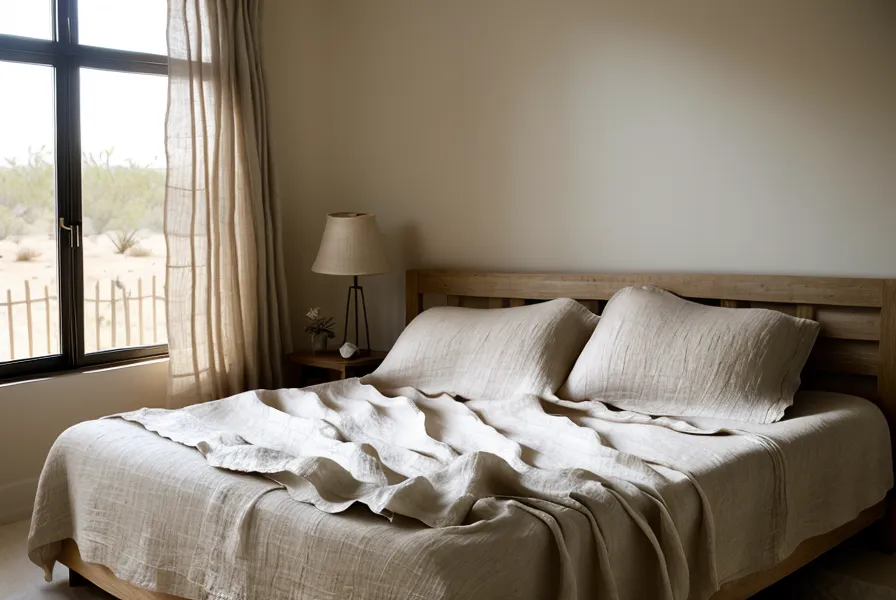
Here's the number that actually settled it. I price bedroom tech the way I'd price a water heater or a replacement compressor: purchase cost divided by the monthly savings equals the months it takes to break even — the payback window. My May 2025 bill, before any of this, ran about $290. May 2026, with the house thermostat parked at 78 and the BedJet doing the localized work, came in around $210. That's roughly $80 a month back in my pocket, the kind of standing return that tells you when a heat pump is worth financing or when a 12-year-old fridge is cheaper to replace than to keep. Against what I paid for the unit, $80 a month of summer savings clears the payback window in under seven months.
The BedJet isn't flawless, and I'd rather say so than sell you a fairy tale. A firmware update once bricked the Biorhythm schedule — the controller froze mid-cycle, the morning warm-up never fired, and I woke up cold at five until I rolled the version back. Now the firmware date lives on the closet whiteboard next to the watt-hour readings, and I never update in the middle of a test window.
Damon Whitley, a fellow Tucson homeowner I've traded HVAC notes and utility bills with for years, keeps an obsessive month-over-month kWh spreadsheet and clocked my drop before I'd finished my own tally. Cory Estevez, my neighbor two streets over who runs even hotter than I do and is up at least twice a night, was the first person I talked into trying one once my numbers held — his bill told the same story a month later.
The lesson I'd hand anyone still fighting a warm mattress is smaller than a new bed: you probably don't need to replace the mattress, you need to fix the airflow and then judge the fix on your utility bill, not on how arctic the ad swore it would feel. The BedJet 3 stopped being a gadget to me the night the whiteboard numbers stopped arguing with it — it's just infrastructure now, the most sensible hardware in a house still running on its original ducts.