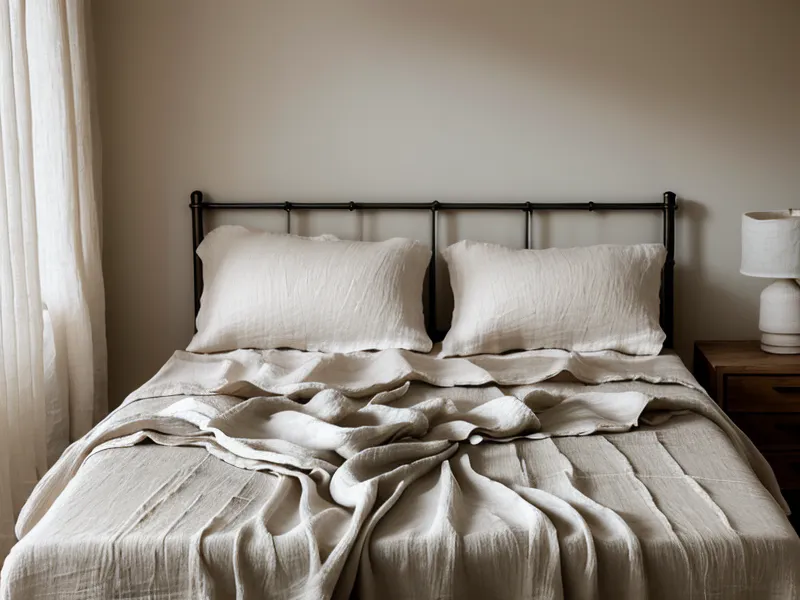
My bedside thermometer reads the room. It does not read the six inches of stale air packed against my back, and on a hot Tucson night those two numbers stop agreeing with each other. That gap is the entire problem with a budget cooling topper bought to stop night sweats: the pad feels cold the second you lie down, then quietly hands your own body heat back to you an hour later, long after you have stopped paying attention. Judge a topper by the spot you were just lying on, not by the digits glowing on the wall.
Quick disclosure before anything else: most of the product links below are affiliate links, so if you buy through one the brand pays me a commission while your price stays exactly what it would be anywhere else. Every piece of sleep tech named here ran a full 30-day cycle on my own bed in Arizona, bought on my own card before it earned a mention. I log room temps the way I log server uptime, and the long-form disclosure and receipts sit one click away under the About page.
That $487 line item on a July 2024 power bill is where this whole project started. Running the central air flat-out against a mattress that soaked up heat all day was the same losing bet as babying a 12-year-old fridge with a tired compressor; you tell yourself you are saving money by not replacing anything, and the meter bleeds you a little more every month. So I stopped treating the bed as furniture and started treating it as a thermal system with parts that can be measured, swapped, and priced out.
The number that wakes you is not the one on the wall
Room temperature and sleep-surface temperature are not the same measurement, and confusing them is why so many cooling pads disappoint. The wall reading tracks the air. The number that actually wakes you is the temperature of the contact patch — the compressed surface directly under your shoulders, hips, and lower back, where foam wraps your skin and traps the warmth your body never stops producing. Foam is an insulator by nature. It has no path to shed that heat, so the contact patch keeps climbing while the room reading holds flat and innocent. A pad can leave the air at a comfortable number and still cook the patch you are actually lying on.
Airflow across the room does nothing for that trapped patch. Before any of the gear, I wedged a box fan into the bedroom window on exhaust mode, betting that pulling hot air out would drag the heat off the bed with it. The room reading dropped a couple of points and the surface under me did not budge — the fan was moving air the sweat never reached. Here is the rule I test everything against now: reach back and touch the spot you just rolled off. If it is warm and a little damp, the room number is lying to you, and no amount of cross-breeze fixes a surface that cannot vent.
Cooling toppers for night sweats: PCM or gel foam?
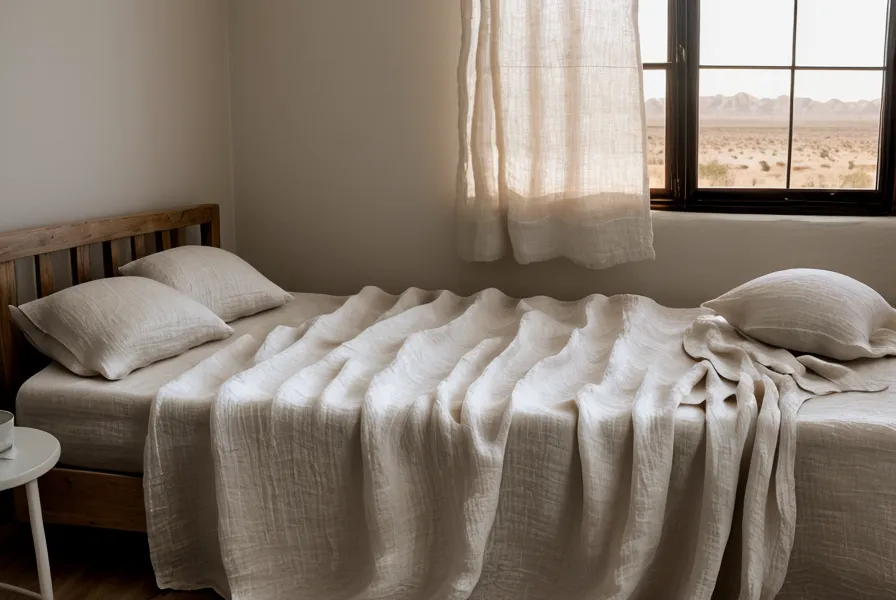
Walk into a Mattress Firm showroom and the 2026 copy will promise you arctic sleep on a slab of foam, which is marketing, not thermodynamics. A whole cooling mattress costs more than most people want to sink into a bed, and you can usually get the same structural benefit by laying a good topper over a mid-range hybrid. What matters is the fill. There are two honest options at the budget end, and they behave differently enough that picking wrong wastes the money. Standard memory foam with gel beads spreads its cooling out; a phase-change material (PCM) panel front-loads it.
PCM feels like lying on cold stone for the first stretch of the night — a real jolt of cold — and then it saturates, reaches its limit, and simply stops. Gel foam never hits that same first-touch chill, but it sheds heat more evenly and does not quit on you mid-evening. So the decision rule is about your symptom, not the label on the box: if your trouble is a sudden sweat spike that jolts you awake, the PCM hit earns its place; if it is a steady bake that builds all night, gel foam is the more logical appliance-grade buy. Either way, give it a real trial window — foam needs a few weeks to off-gas and for your back to settle, so a store with a genuinely long sleep trial beats a two-week guess. If a new pad is not in the budget at all, my notes on simple ways to cool a memory foam mattress cover what to try first.
Where a passive topper hits its ceiling
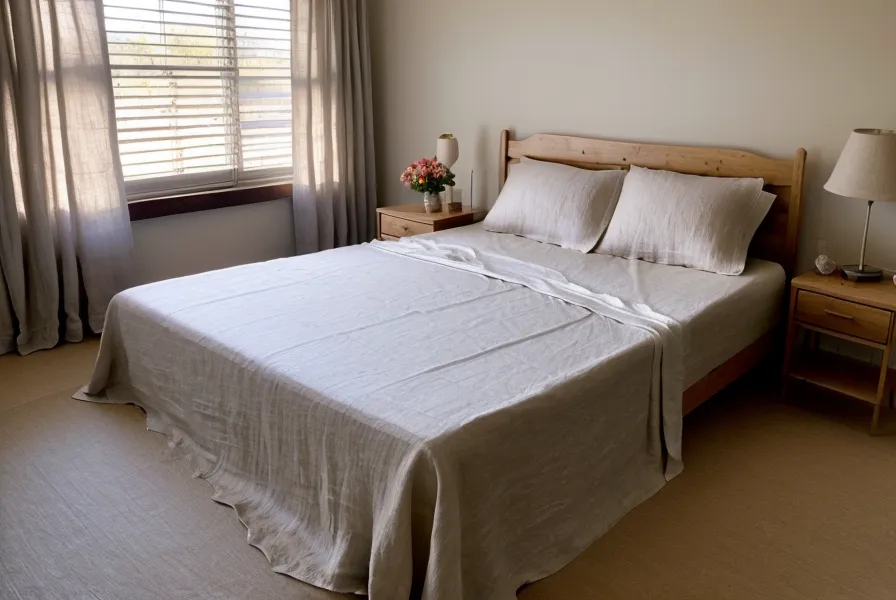
Every passive topper, gel or PCM, runs into the same wall: you are still lying on an insulator, and past a certain heat load it has nothing left to give. For steady desert heat that is where I stop asking foam to do the impossible and bring in a BedJet 3 at the foot of the bed — a dedicated machine built for one job, priced out the way I would price a new water heater. That ceiling is the honest dividing line: it is where passive material stops keeping up and active airflow or water-cooling becomes the only path to a surface-temp drop you can actually measure, a comparison I ran in full in my BedJet vs Chilipad review.
The BedJet pushes air through a hose and out under your top sheet, which gives the heat your body makes a mechanical way out instead of a dead-end. In my logs the room reading barely moved while the air sliding under the sheet finally felt cooler than my own skin — that is the point of it. Compare that to the cheap plastic fans I ran in 2024, the ones that whined at speed 4 and pushed nothing but warm dust in a circle. Physics does not read marketing copy. It reads airflow, and a fan aimed at the room was never going to change the microclimate six inches under the covers.
Handle the moisture before it soaks in
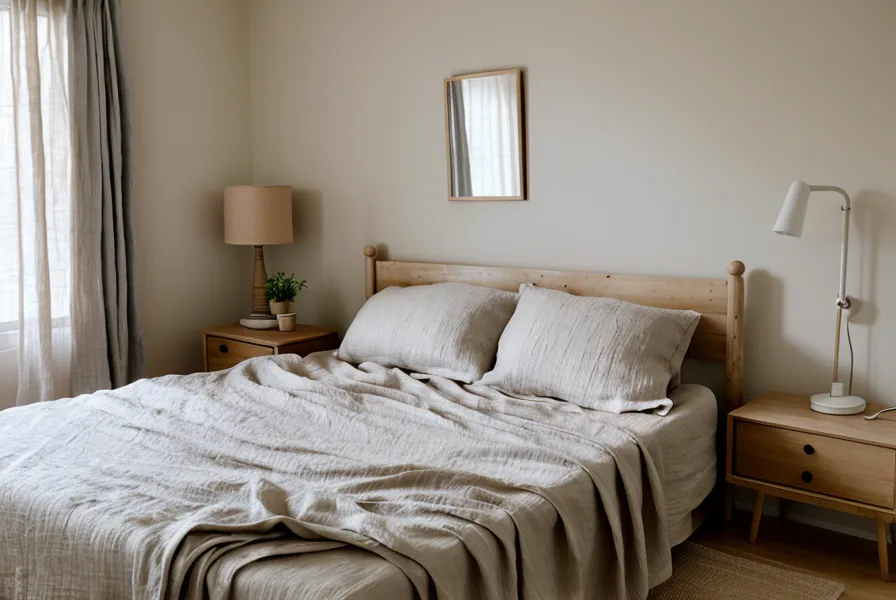
Active cooling only gets you so far if the fabric on top traps what your body dumps. Cotton is a sponge — high thread count does not change that. Sweat through a set once and you spend the rest of the night in the clammy pull of a sheet gone tacky against your skin every time you shift. This is also where dry-desert logic breaks down: a topper that behaves in Tucson's bone-dry heat can hold sweat against you during the July monsoon spike, when humidity, not temperature, is the thing changing the math. I swapped the cotton for Schweitzer Linen Italian Sheets — long-staple cotton that breathes instead of pilling and holds a taut fit even with a BedJet hose tucked along the side.
For the hot-head problem I traded my standard case for a Blissy Mulberry Silk Pillowcase. Silk wicks moisture and shrugs off the facial oils and sweat that cotton drinks and holds, so the case does not turn into a warm damp patch under your skull. The broader bamboo-versus-cotton question for the rest of the bedding is its own rabbit hole worth a separate look. If the heat is concentrated in your head and neck, my write-up on the best cooling pillows for side sleepers is where I would send you next.
Cover the glass, then run the appliance math
Solar heat gain is the piece most people leave on the table. Older single-pane-era windows are basically open seams in the thermal envelope, letting the afternoon sun load the walls with heat that radiates back into the room long after sundown. Cellular blackout shades from SelectBlinds add a real layer of R-value insulation, and keeping them shut through the peak sun pulls the baseline down before the AC ever gets involved. Paying for a cooling topper while the windows stay bare is trying to run a fridge with the door propped open — the machinery works, and the load never stops. I laid out that data in my guide on thermal blackout blinds for desert sleep.
The receipt math behind a cooling-tech overhaul
Add all of this up and the credit-card total is real, but so is the return, and the return is what a hot sleeper actually buys. The way I score any piece of it is the payback window — the same calculation you would run before committing to a heat pump: how many months of a lower, steadier power bill does it take to cover the hardware. Since I stopped forcing the central air to fight a heat-soaked mattress all night, the bill has flattened out instead of spiking toward that old $487 mark. These days the surface reads in the low-70s in the morning instead of climbing into the high-70s by dawn, and I sleep an unbroken stretch through it — that single change is the whole return on the project.
If you are done with the sweat-and-wake cycle, skip the box-store fans and start where the measurable gains are. A physical air-mover like the BedJet 3 is the first thing I would put money on, and if you want to feel foam densities in person before you commit, the selection at Mattress Firm is worth the trip. Treat the bed as a system and it stops leaking money the way that old receipt did.