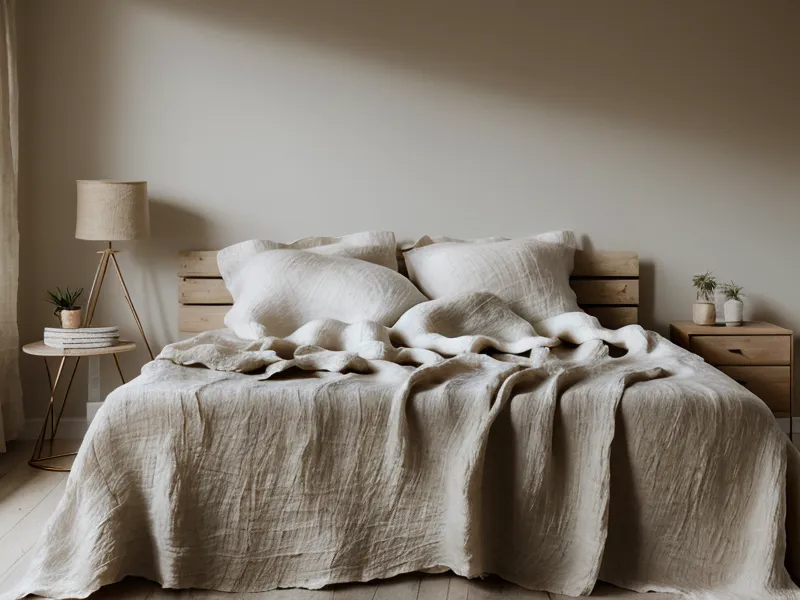
Seven nights. That is how long a set of silver-infused sheets stayed on my bed without a wash and still passed the morning sniff test, in a bedroom the bedside probe clocked past 80 degrees all week. The plain cotton set on the other half of the mattress quit on night four, damp and a little sour. If you sweat through your bedding every Tucson summer and you are trying to work out whether silver sheets actually solve the night-sweat funk or just charge more for the same fabric, that four-night gap is most of the answer. The rest of this is the questions readers keep emailing me about bed cooling and silver sheets, answered the way I answered them.
Disclosure before anything else: most of the product links below are affiliate links, so if you click through and buy, the brand pays me a small commission at no extra cost to you. Everything named here ran through a full 30-day summer test cycle on my own bed, bought on my own card before I wrote a word. The long-form version and the receipts live one click away under the About page.
Most of these came in one long email from a reader in Phoenix, Joanna, whose house and mine could be twins, same vintage, same tired ductwork, same August electric bill that reads more like a mortgage payment. She asks the kind of specific, one-more-thing follow-up questions I wish more people did, so her list makes a good map. Here it is.
Do silver sheets really stop the night-sweat smell?
Short version, yes, and it is the one thing they reliably do. For the chemistry details, there is a whole Wikipedia entry on the oligodynamic effect if you want the mechanism. What matters is what happened on the bed. Running a silver blend against my Schweitzer Linen Italian Sheets, both sides started even, but the long-staple Egyptian cotton picked up that damp-fabric tang by the fourth warm night while the silver side read as nothing a week in. Strip the silver set in the morning and the mattress underneath comes up dry, no sour outline where a body had been lying.
The usable test, if you are shopping, is blunt: a silver sheet earns its keep only when it holds the sniff test past the point where your current cotton would need a wash. If it smells like anything by night three, it is not doing the job, and that is your cue to send it back inside the trial window rather than talk yourself into it.
Will they actually sleep cooler?
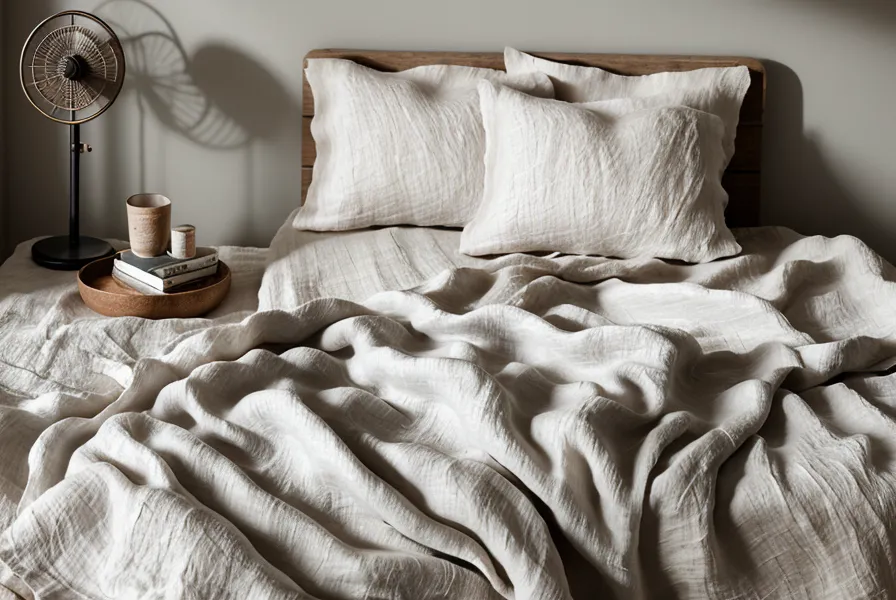
No, and this is where the copy oversells. Silver is an antimicrobial, not a refrigerant. Put a silver blend next to plain cotton on the infrared reading and the surface temperature of the mattress lands within about a degree, close enough that cooling is not the reason to buy them. A sheet blended heavy with polyester to hold the price down can even sleep hotter, because how much heat a fabric traps is its own separate rabbit hole. Cold comes from moving air, active cooling, not from a label. The night I ran the silver sheets over a BedJet 3, the bed surface dropped several degrees in the first few minutes, the way that unit does, and stayed dry, because dry air is the whole point. That ties into why your bedroom humidity affects sleep quality in the summer, since it is the moisture trapped in stagnant air, not the thermostat number alone, that makes a room feel like a swamp.
So the rule I hand people is two lines, silver for the smell, air for the temperature. Buy the sheets to fix the biology and something that moves air to fix the physics, and do not expect either one to cover for the other.
The rest of the stack: mattress and pillow
Joanna asked if she had to replace everything, and the honest answer is no, but the sheet cannot outrun a mattress that behaves like a heat sink. An old memory-foam slab with no airflow channels holds your body heat all night and hands it back at 3 a.m., silver sheets or not. The cheap fix I reached for first, a gel-infused memory foam topper ordered off Amazon, is the thing that taught me that. The gel felt cool for maybe the first ten minutes, then the foam under it soaked up heat and held it, and I woke in the same sweat I was trying to escape. When I finally went to feel breathable hybrids in person, I spent a Saturday at Mattress Firm pressing on the newer builds, worth the trip mostly to touch them before you commit, since most of their house brands carry a long in-home trial if you get one wrong.
Her follow-up was about the pillow, because even with the body funk handled she still woke with a wet head. Cotton pillowcases act like sponges. Swapping to a Blissy Mulberry Silk Pillowcase changed that fast, the silk does not drink up moisture the way cotton does, so the silver sheet underneath stayed drier too. It is a lot to spend on one pillowcase, no pretending otherwise, but weighed against another season of the 3 a.m. head-flip it earned its spot quicker than one more big-box fan would have.
Keeping the room from cooking in the first place
You cannot ask silver ions to fight the afternoon sun through old single-pane glass. A room that soaks up heat all afternoon resets itself every night no matter what is on the bed. Cellular shades from SelectBlinds pulled the ambient temperature down a few degrees, which is the same move as sealing an energy leak before you size the appliance, the way you check attic R-values before you blame the AC. Measure carefully, though, custom-cut blinds are basically non-returnable. For the longer version of that argument, here is my write-up on why thermal blackout blinds are essential for hot desert sleepers.
Washing silver sheets without stripping them
This is where most people quietly wreck their own investment. High heat in the dryer strips the silver over time and leaves you with plain, overpriced linens, so treat the set like a high-efficiency heat pump, better than the old tech but only if you actually follow the service manual. Cold cycle, neutral detergent, no bleach, and skip the fabric softener, that waxy coating clogs the fibers and kills the breathability. Peg next door, a retired teacher who clocks changes around my place before I do, mentioned she had not seen sheets out on my line as often lately, which is exactly the point, the silver set simply needs washing less. If you are the sort who runs everything on Heavy Duty and forgets it for six hours, skip the silver and buy the Schweitzer Linen, that cotton takes the abuse even if it will not fight the bacteria.
If you only buy one thing this Tucson summer
Silver sheets are not going to let you switch off the AC in July, and anyone selling them that way is selling you a story. What they are is one clean part in a bigger stack, handle the smell and the laundry with the sheets, handle the actual temperature with air. Start with the silver set to fix the biology, then add a BedJet 3 for the airflow a passive sheet can never provide, and shut the sun out at the window so you are not fighting the room all night. Whether a device like that pays back is its own spreadsheet, the kind of appliance math I run against a $487 electric bill, and only one of those two numbers helps me wake up like a person. If you are still weighing active systems against each other, my BedJet vs Chilipad review lays out which mechanical unit fits which room.
Order matters more than budget here. Sheets for the funk, air for the heat, shade for the sun, in that sequence, and the 3 a.m. sweat patch stops being the thing that owns your summer.