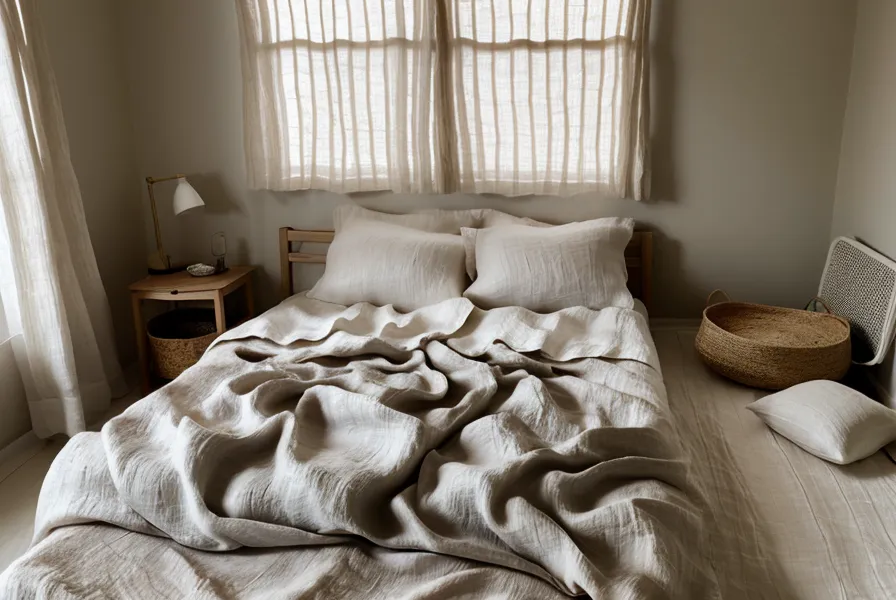
Both sheet sets are still tangled at the foot of the bed when I reach for the thermometer probe zip-tied near the mattress edge, one side damp enough to wring out, the other dry after the same eight hours. That gap is the real moisture-wicking bedding question for any hot sleeper living through an Arizona summer: not which set feels softer in a showroom, but which one actually moves sweat off your skin before sunrise. This sleep-tech review sets my two most-trusted hot-sleeper solutions side by side, because a punishing summer electric bill buys you the right to demand numbers instead of marketing copy.
Quick disclosure first: some of the links below are affiliate links, so I earn a small commission if you buy through them, at no extra cost to you. Every set mentioned here went through my own bedroom testing before it made this list.
Chasing the Thermostat Instead of the Sheets
Room temperature was never the actual problem, though I spent a good chunk of last summer treating it like one. Dropping the thermostat to 68 degrees felt like the obvious fix, so I ran it that way for most of July and watched the electric bill land at $487 anyway, with no real change in how the sheets felt against my back in the middle of the night. I drove that statement over to the Tucson Electric Power office on Commerce Drive to ask about a payment plan before doing anything else drastic to the thermostat.
None of that thermostat math solved the real issue, which is how much humidity ends up trapped against your skin under the covers, a separate problem from whatever number the thermostat shows and worth its own explanation somewhere else on this site. Fabric is what decides whether that trapped moisture evaporates or just sits there soaking into your back, and that is the piece nobody wanted to sell me a fix for.
What 'Moisture-Wicking' Actually Means
The science behind moisture wicking is not as complicated as the packaging makes it sound. Cotton hangs onto sweat instead of pushing it toward the surface where it can dry, while a wicking fabric does the opposite and moves that moisture out to where air can actually reach it. Different fabrics hold onto that trapped heat differently too, cotton, bamboo, and poly-blends all behave differently once your skin is already damp, which is its own comparison I have made room for in a separate post.
Morris, a college friend now settled in Phoenix, had already run this exact comparison two summers before I did. He is the guy who owns the previous generation of whatever gadget or fabric I am about to try, usually before I have even opened the box, and he warned me the wicking sheets would feel more like a technical gym shirt than a bed. He was not wrong.
Beyond the Sheets: Blocking Heat Before It Lands
Sheets can only do so much if the room itself keeps re-heating through the afternoon. I added cellular blackout shades from SelectBlinds over the bedroom window, which knocked four to five degrees off the room compared to the old roller shades, the same logic as pricing out attic insulation before upgrading a furnace. Sleep surface temperature is a related but separate lever, since the mattress underneath the sheets can trap heat on its own regardless of what fabric sits on top of it, which is a topper conversation for another day.
Active cooling is a different budget conversation entirely. Something like the BedJet system pumps conditioned air under the sheets instead of just moving around what is already there, and I ran the full payback math in my Tucson BedJet survival guide if you want to see whether it earns back its cost before next August. Passive fabric fixes and active airflow solve different parts of the same problem, and most hot sleepers end up needing both eventually.
Moisture-Wicking Poly vs. Egyptian Cotton: The Two-Sheet Test
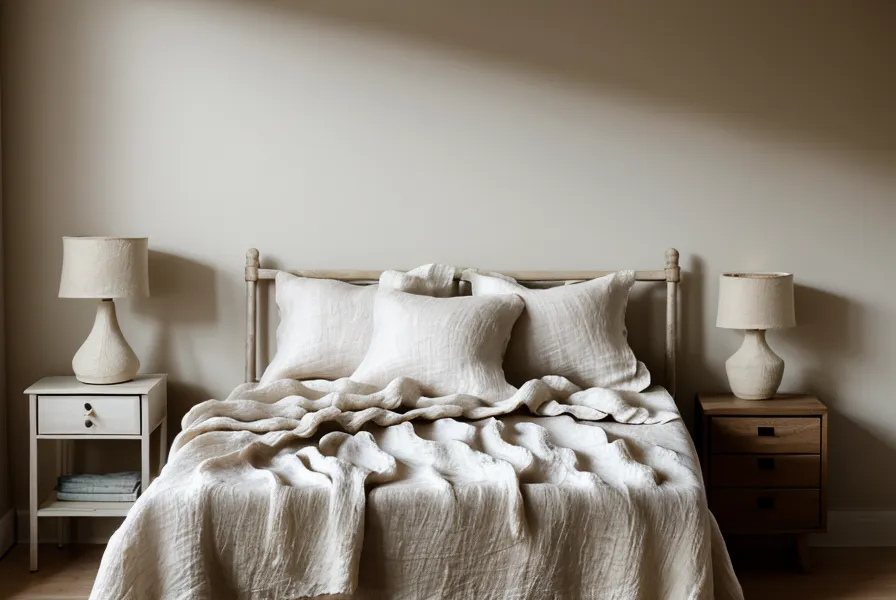
PeachSkinSheets is the poly-microfiber set I keep coming back to for pure wicking performance, brushed microfiber that pushes sweat outward instead of holding onto it, and it has survived enough hot washes in my rotation that pilling stopped worrying me. It is not going to win a luxury-linen argument, and if you already prefer a plush, natural-fiber feel it can seem thin by comparison, closer to a technical shirt than a bed.
Schweitzer Linen Italian Sheets sit on the other end of that spectrum, long-staple cotton that gets softer with every wash instead of pilling, and the queen set actually stretched over a 14-inch mattress with room to spare, more than I can say for the fitted sheets I have bought at Mattress Firm in the past. Cotton like that will not wick sweat away the way the poly-blend does, but it breathes better than the low-thread-count sets most stores sell as their entry option, and it will outlast the microfiber set by years, not months.
Sweat That Outpaces Either Sheet
Some nights beat both sheets regardless of fabric, and that is usually a volume problem more than a wicking problem. A rapid heat spike, the kind some hot sleepers get with hot flashes, can push out more sweat than any wicking fabric is built to move fast enough, and in that scenario the sheet stops being the real bottleneck. Wendell, a regular on a home-improvement forum I frequent, insists he could rig something with moisture-wicking athletic fabric and a staple gun for less than either set costs, which is very on-brand for a guy who builds his own fix before he considers buying someone else's.
The pillow half of this equation matters just as much, since a soaked pillowcase undoes whatever the sheet is doing lower down. I switched to a Blissy Mulberry Silk Pillowcase, and the first half-second your cheek lands on it before it has picked up any body heat is a genuinely different feeling than cotton ever gave me, no more sweat patch under my head by morning. For the full comparison against cotton, I laid out the details in my best silk pillowcases for night sweats piece.
Which One Should You Buy?
Buy the poly-microfiber set if you are a heavy sweater on a budget who wants the wicking effect right away and does not mind a slightly technical feel against the skin, that is where PeachSkinSheets earns its price. Choose the Egyptian cotton set instead if your sweating is moderate, you want something that improves with age instead of degrading, and you are willing to pay more upfront for a set that will outlast several poly replacements.
The clearest evidence the fabric switch mattered, not the thermostat, showed up on an ordinary morning: the bedside thermometer read seventy-four degrees at 6:30, the first reading under seventy-six since May, with nothing else about the room different that day. If you sweat heavily enough that no sheet fully solves it, pairing whichever set you choose with the BedJet 3 for active airflow is the next logical upgrade, and it is the same conclusion I keep landing on every time I run these numbers again. Either way, it costs less than another summer of guessing at the thermostat and hoping the next bill is smaller.