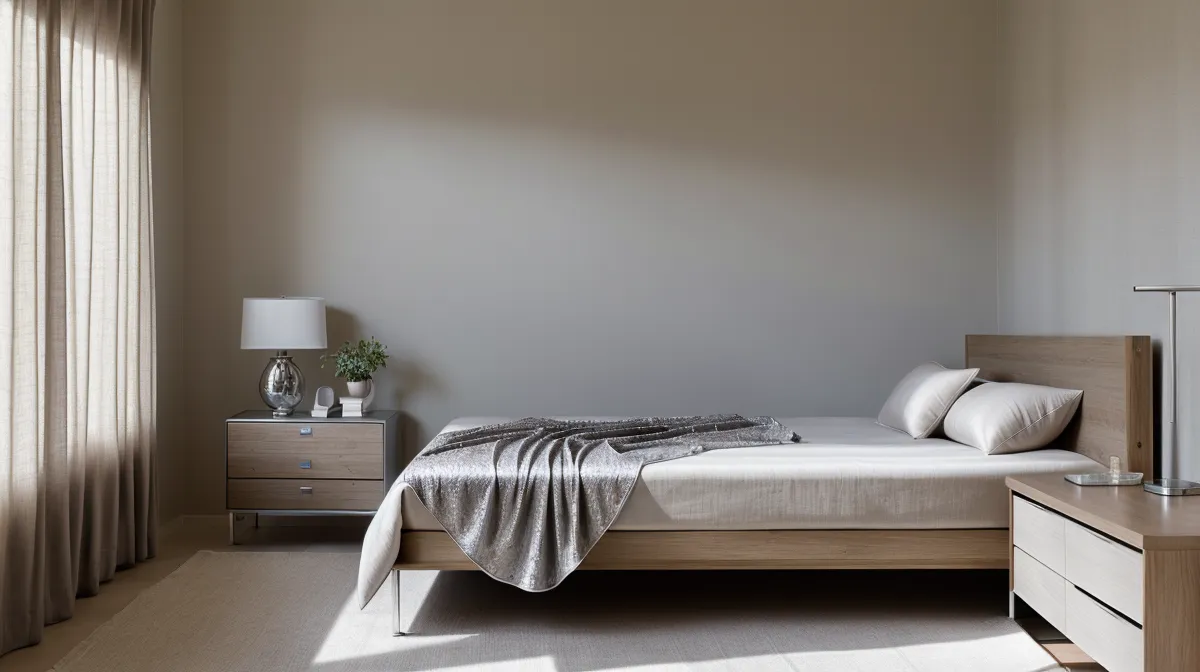
Two numbers, one bed: 88.2 degrees on plain cotton, 79.1 with antibacterial sheets and a fan moving air underneath. That nine-degree spread is the entire case for treating cooling bedding as its own category during a desert monsoon summer, and it's also where the marketing on 'night sweats' sheets gets loose — 'antibacterial' and 'cooler' are two different claims, and a silver-infused sheet only delivers on one of them without help.
Quick disclosure up front: most product links here are affiliate links, and clicking through costs you nothing extra while paying me a commission. Every sheet set and gadget got a full summer on my own mattress, bought with my own money before any of this got typed up. Full details live on the About page.
Antibacterial Sheets vs. Plain Cotton: What Actually Helped My Night Sweats
Room temperature during that stretch averaged 76.4 degrees on the nightstand unit — which sounds almost livable until you check what the mattress surface was doing underneath a standard set. A probe thermometer cable-tied low on the frame, right where skin meets fabric, ran a solid eleven degrees hotter than that room reading most nights, and that gap between what the thermostat claims and what you actually feel is the part cooling-bedding marketing skips. Before trusting any fabric to close that gap, I'd already spent a summer freezing pillowcases in ziplock bags overnight and swapping them onto the bed around 3 a.m., good for maybe twenty minutes of relief before they went warm and damp again — a chore, not a fix.
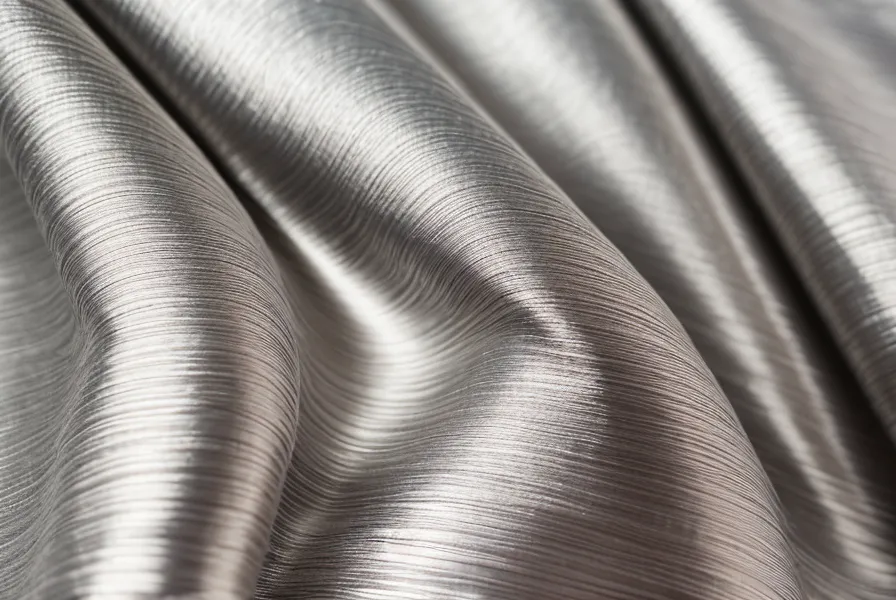
So when a set of Miracle Made Sheets went through the same 30-day cycle everything gets here, logged against the power numbers and rotation dates I keep tracked on the closet door, the laundry math is what actually shifted: wash frequency dropped from twice a week to once every ten days, no sour smell in between. Night sweats themselves didn't disappear. What changed was a 3 a.m. habit — reaching for the blanket, hand already on the covers, stopping halfway because the bed simply wasn't asking for it anymore.
Humidity Is a Different Problem Than Heat
For readers dealing with bedroom humidity issues specifically, the sheet is only half of the equation — humidity and raw air temperature are separate readings, and a thermostat set to 74 tells you nothing about the moisture load that turns a bedroom into a terrarium once a monsoon pushes the dew point up. Natural fiber does not solve that on its own. High-thread-count cotton holds onto moisture instead of releasing it, and when I lined my results up against my old bamboo vs cotton sheets comparison, the tighter the weave, the longer the fabric stayed damp against skin. None of that is really about bacteria, either — a sheet can suppress odor-causing microbes without moving a single degree of heat, worth separating out before crediting 'antibacterial' marketing for a cooling result it never produced.
Damon, a friend from an old IT contract who tracks his kWh use on a spreadsheet the way some people track fantasy football, put it better than I did: you don't fix a leaky pipe by buying a bigger water heater. One humid night last month, indoor humidity spiked to 55 percent and the room stayed sticky regardless of which sheet was on the mattress — the same night I'd point anyone shopping at Mattress Firm for a new cooling mattress toward checking the topper's moisture handling before assuming the sheet on top will compensate for a bad match underneath.
Passive Sheets vs. an Active Cooling Stack
Sheets are a passive fix — they manage what already touches your skin, but they can't move air, and that's the ceiling on what fabric alone will ever do for a room that's genuinely hot. Active cooling is a different category of sleep technology entirely, closer to deciding on a heat pump than picking a thread count, and that's the frame I used before adding a BedJet 3 to the setup, which pushes air directly under the top sheet instead of just around the room.
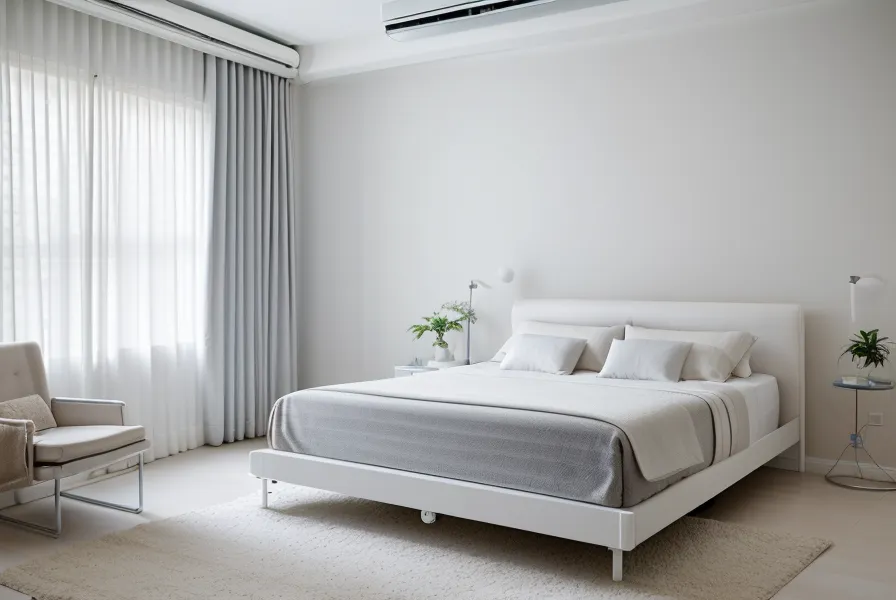
The first time it kicked on, the little chirp of my nightstand thermometer catching the drop — 79 on the display, a number I'd stopped expecting to see mid-summer — told me more than the marketing copy ever did. My neighbor Cory, who runs hotter than I do and wakes up at least twice most nights regardless of what's on the bed, tried the same setup after seeing the box in my driveway and needed the airflow more than I did; the sheet helped him less than it helped me, which is the whole point of separating the two problems. Whether that kind of purchase pays for itself is the same math as any other appliance decision — you're weighing the unit cost against however many months of running the AC harder than you'd like, and for me that payback window landed under six months once I counted what July was costing before any of this started.
I also swapped my pillowcase for a Blissy Mulberry Silk Pillowcase, and at 22 momme it's dense enough to hold up wash after wash without absorbing facial oil and sweat the way cotton does — the head-heat problem is its own small category, and I covered the details in my review on Blissy pillowcases if silk specifically is what you're weighing.
Does the Mattress Underneath Matter More Than the Sheet?
None of this works in isolation from what's underneath the sheet, either. My mattress carries a cooling topper thick enough that a lot of 'cooling' sheet sets I've tried — including the one covered in my PeachSkinSheets review — struggle to stay tucked at the corners, and a sheet that's worked loose by 2 a.m. is a hot sheet no matter what it's made of.
Surface temperature at the exact point your body contacts the mattress is a different number than room temperature, and it's usually the one nobody's actually measuring; contact area holds heat the tighter and denser the material gets, independent of anything the fabric claims about bacteria. The bedroom itself has its own math, too. My east-facing window still has the original aluminum frames, and that wall runs noticeably warmer by late afternoon regardless of what the thermostat says the house is doing — a through-wall unit cooling just that room, running independent of the central system, does more for the numbers I log than any sheet upgrade has.
It's the same logic as deciding whether to patch an old water heater or replace it outright: sometimes the fix isn't the thing on the bed, it's the envelope around it. A six a.m. lap around Reid Park on East 22nd Street already tells you the outdoor variable was never something a sheet was going to touch — the only part of this you actually control is what's happening between the mattress and the fitted sheet.
Picking Between the Two
Boil it down and there are really two different shoppers reading this. If your main complaint is the smell, the sour laundry, the sheet that needs washing every third day in July, antibacterial fabric solves that specific problem, and the Miracle Made set handled it better than any cotton set I tried, full stop. If your main complaint is that the room itself still reads above 78 or 79 degrees at bedtime no matter what's on the bed, that's not a fabric problem, and no amount of silver-ion marketing will move that number — you need airflow, a better-sealed window, or a mattress topper that isn't fighting the sheet on top of it.
Most people dealing with desert night sweats actually have both problems stacked on top of each other, which is why I run the sheets alongside the BedJet rather than treating either as the whole answer, and added a Blissy pillowcase once I realized my head was staying hotter than the rest of me even after the body-temperature numbers came down. Buy for the problem you actually have, not the one the marketing copy assumes you have.