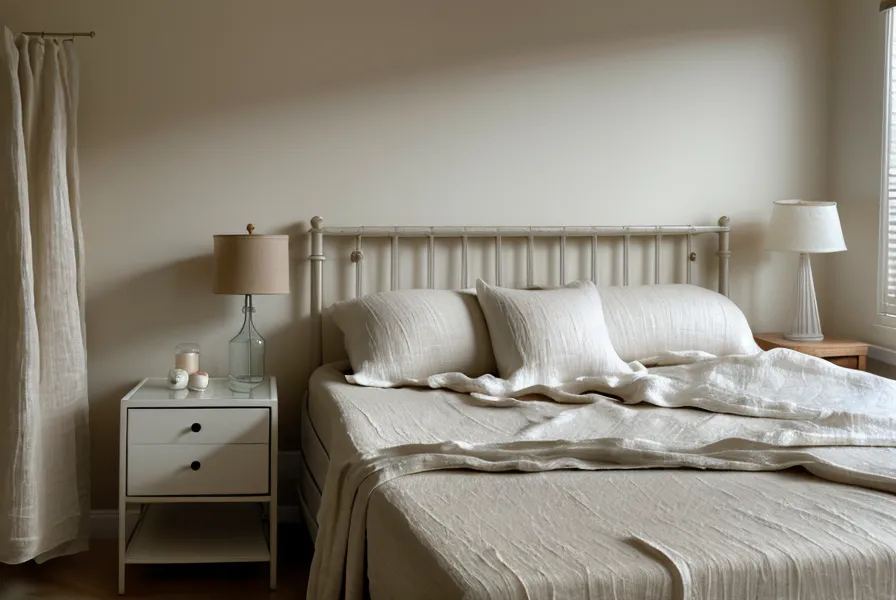
The sensor clipped to my bed frame, right at mattress height, reads eight degrees hotter than the thermostat display down the hall claims the house is. That gap is the whole argument for treating a Tucson summer bedroom as two separate cooling problems instead of one. Sleep-tech reviews tend to lump cooling bedding, blackout hardware, and gadgets into a single shopping list, but after two years running gear through this room, I've settled into a rule that drives every bedroom-efficiency decision here: some products stop heat from getting into the room in the first place, and some pull heat off your body once it's already there, and mixing up which does which wastes money fast.
Quick disclosure before any of that comparison starts: several of the links below are affiliate links attached to products that came through this exact testing process. Clicking through and buying costs you nothing extra, but it does send a small commission back my way, which is most of how a spare bedroom turned into an ongoing hardware experiment instead of just a hot room I complained about.
Before any of the gear mentioned here, the plan was a ceiling fan left running on high every night from May through September. It never worked. Recirculating hot air isn't the same as removing it from the room, and the July electric bill that year landed at four hundred and eighty-seven dollars for a house that still wasn't cooling down after dark. That's when the whiteboard went up on the closet door: a running list of what came through the bedroom and what it did to the watt-hour reading on the utility meter, mostly so I wouldn't try the same failed fix twice under a different name.
Two Ways to Cool a Tucson Bedroom
Passive cooling (stopping heat from entering the room) and active cooling (pulling heat off your body directly) are different games, and most bedding marketing blurs the line on purpose. Tucson's heat is dry, not humid, so the moisture-versus-temperature debate that dominates hot-climate sleep advice elsewhere barely applies here. This is a straight temperature fight, not a humidity problem in disguise.
Block the Heat Before It Gets In
On the sun-facing side of this house, the exterior wall and window frame soak up heat all afternoon and give it straight back to the room after dark. The room-envelope problem is that no amount of bed-level cooling fixes that by itself. Cellular shades from SelectBlinds use stacked honeycomb air pockets instead of a single flat panel, and against my old roller shades they dropped the room four to five degrees before the AC even had to work for it. Installing them meant measuring the window twice and waiting two to three weeks for the custom cut to ship, which is standard for anything not sized off a shelf.
Cool the Bed, Not Just the Room
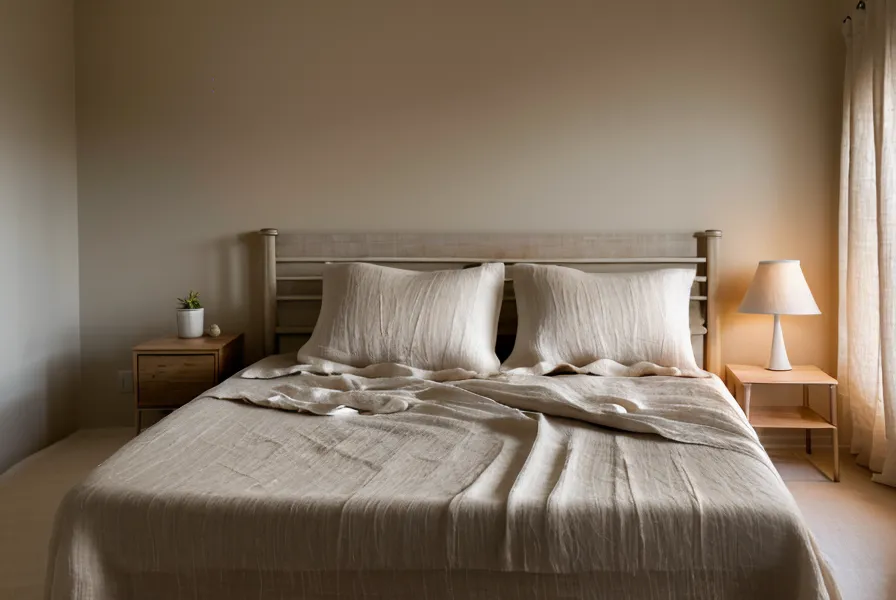
Shades handle the room; they don't touch the mattress surface, which runs its own temperature separate from whatever the thermostat claims. A box fan or tower fan cools by moving air across your skin, which is evaporative relief at best, while the BedJet 3 pumps conditioned air through a hose directly under the top sheet, working by contact with the mattress surface instead of just stirring the air around it. The first time I ran it on Turbo after a long day of troubleshooting servers, the drop was immediate enough that I checked the vent for a leak.
My friend Damon, another IT guy who tracks his month-over-month kilowatt-hours on his own spreadsheet, is the one who talked me through the payback math the way you'd price out a heat pump against another ten years on an aging AC compressor. If the BedJet let the house thermostat sit at seventy-six instead of seventy-two overnight, the unit would pay for itself in electricity saved before the summer was over. One morning, the reading at the headboard sensor came in at seventy-four degrees a little past six-thirty, the first time it had dropped under seventy-six since May. I've written more on the mechanics of keeping an old HVAC system from losing that battle entirely, and the BedJet is the piece that made the rest of that strategy worth bothering with.
Sheets and the Fabric Question
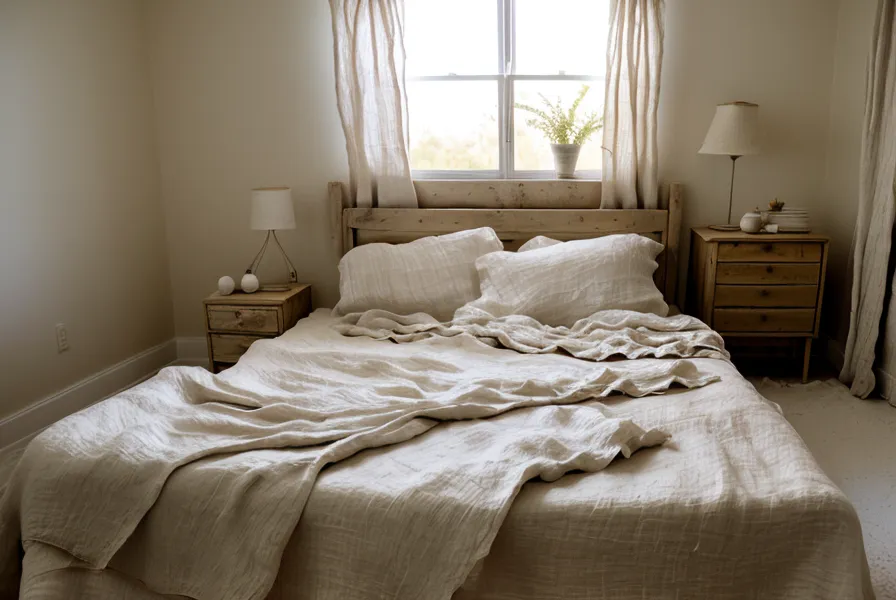
Different fabrics hold onto body heat at different rates. That's a rabbit hole of its own, but weave and fiber length mattered more in my results than any marketing claim about a fabric feeling cool on contact. The Schweitzer Linen Italian Sheets use long-staple Egyptian cotton, which softened over repeated hot washes instead of pilling the way a cheaper cotton blend did by the third month. They also actually fit a fourteen-inch mattress with elastic to spare, which sounds minor until you've had a corner pop off at two in the morning.
Sheets marketed as antibacterial or silver-infused are usually solving an odor problem, not a moisture problem, and those are two different things worth not confusing when you're shopping by claim instead of by fabric. I go into the percale-versus-sateen question in more detail in my piece on percale cotton sheets for desert heat, but the short version for this comparison is that Schweitzer's weave held up to the kind of hot-wash rotation that wrecks a lot of budget sets.
Pillowcases, Mattresses, and Cory's Results
Silk doesn't do anything magical to room temperature, but it doesn't hold onto moisture against your skin the way cotton does, and that's the whole pitch for a Blissy Mulberry Silk Pillowcase. The first half-second your cheek lands on it, before body heat catches up, is basically the entire product experience in one sensation. How much of your body actually touches the mattress in the first place, whether you're a side sleeper or back sleeper, changes how much of that trapped heat you notice, which is its own separate question from what the pillowcase is made of. It wasn't cheap for a single pillowcase, and it took about a week of sliding around before I switched to a tighter-fitting pillow to keep it in place. The same logic applies as with swapping cotton for silk in the first place: stop the fabric from holding onto moisture instead of trying to out-cool it.
For anyone whose mattress itself is the problem rather than the sheets on top of it, a showroom visit is worth the afternoon. I spent one at Mattress Firm testing cooling toppers across their house brands, which was useful mainly for the 120-night sleep trial policy that let me back out of a topper that felt cool in the store and warm by week two. I didn't test a waterproof mattress protector for this comparison. Those trade breathability for peace of mind against night sweats, which is a different calculation than anything covered here, and one I'd rather flag than guess at.
My neighbor Cory runs hotter than I do and wakes up at least twice most nights no matter what's on the bed, and he tried the same silk-and-BedJet combination with noticeably less success. This proves the fabric-and-airflow layer is real but not the whole equation for everyone. Some of that gap is physiology, not hardware, and when the sweating looks more like a medical question than a climate-control one, that's worth a separate conversation entirely. I touch on that distinction in my notes on managing excessive night sweats rather than trying to cover it in a gear comparison.
So Which Approach Wins?
Neither approach wins outright, and anyone telling you to pick one is skipping the room-envelope math. Choose the passive route first if the exterior wall or window on your sun-facing side is doing most of the damage. Shades and sealing pay for themselves in lower AC runtime before you spend a dollar on bed-level gear. Choose the active route, the BedJet specifically, if your room temperature is already reasonable and the actual sleep surface is still running hot regardless. That's a problem no amount of shading fixes, because it's happening under the sheet, not in the air. In this house both ended up necessary, which is the least satisfying answer in any product comparison but the one the thermometer kept confirming.
If your bedroom's the one still running hot after the AC clicks off, start with whichever side of that split matches your actual problem. If it's the mattress-surface side, the unit that moved the needle fastest in my testing is the BedJet 3. You can look at it here: Get the BedJet 3 Cooling System.
| Product | Rating | |
|---|---|---|
| BedJet 3 Editor's Pick | 9.2 | Read More → |
| Blissy Mulberry Silk Pillowcase | 8.5 | Read More → |
| Schweitzer Linen Italian Sheets | 8.8 | Read More → |
| SelectBlinds Cellular Shades | 8.2 | Read More → |
BedJet 3
Pros
- ✓ Drops bed surface 6-10F in under three minutes
- ✓ No water tanks or maintenance-heavy plumbing
- ✓ Biorhythm timer allows for warming before wake-up
- ✓ Turbo mode offers immediate relief after a hot day
Cons
- ▹ The unit takes up floor space at the foot of the bed
- ▹ Hose creates a low hum at higher fan speeds