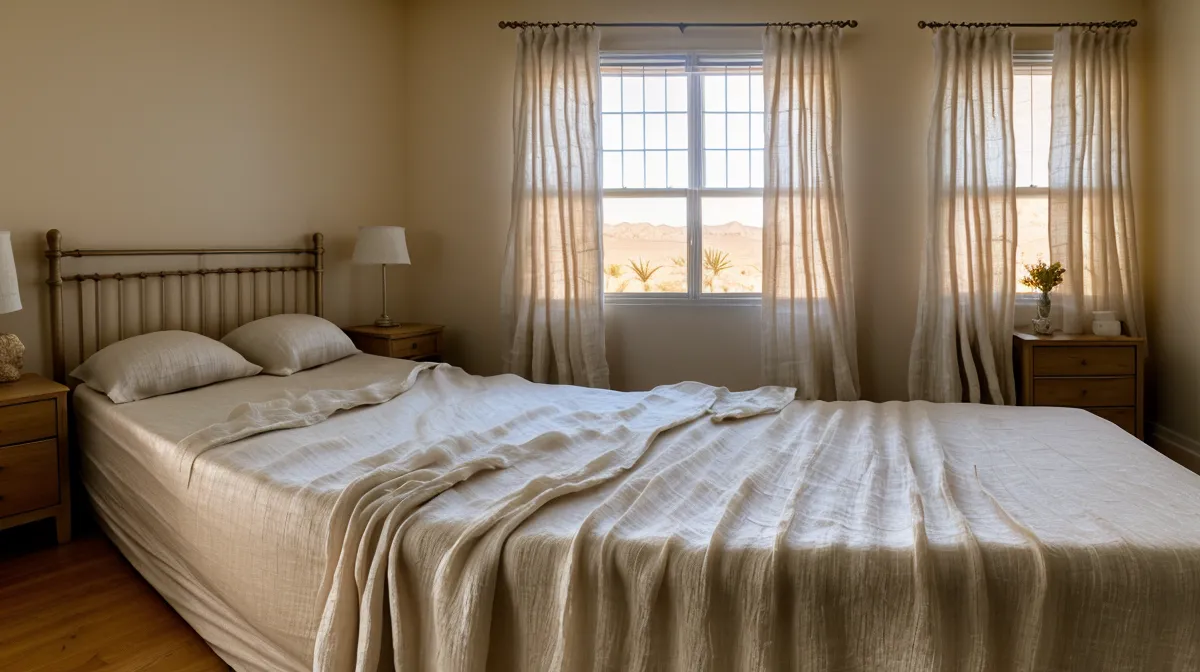
I had one leg out from under the sheet when the thermometer screen lit up: 79°F, again. Outside, the air had already slid into the mid-70s. The blackout shade behind me had been shut since morning, and my cooling bedding was doing everything right on paper. Yet the room held heat like a parked car. In Arizona living, the glass is usually the culprit, and energy efficient blinds only help if you run them the right way.
Quick disclosure before the numbers: most product links on this page are affiliate links. If you order through one, the brand pays me a commission and your price stays the same. Everything here ran through a Tucson summer in my own house, bought with my own card. I'm not a sleep doctor. I have a spreadsheet of electric bills, an accurate thermometer, and the receipts on my About page.
Why Does a Hot Bedroom Stay Hot With the AC Running?
The common misconception is that a hot bedroom is an air problem. Colder AC, a faster fan, a misting fan on the nightstand: every one of those treats the air. But sunlight coming through glass is a heat source, and the AC has to keep chasing it. Cut the heat at the window first, and the rest of your sleep technology gets an easier job.
The misting fan was my worst attempt at the air fix. It pushed a damp breeze across the nightstand and left the room feeling muggy, and the thermometer barely moved. (Humidity versus temperature is its own topic, and I cover it in a separate piece.) That was the moment I stopped shopping for gadgets and started looking at the wall.
My July electric bill hit $487, nearly five hundred dollars, in a single-story house that leaks heat like a thermal sieve. I already owned the BedJet 3, which drops the bed surface by 6-10F. It works at bed level, a different job from stopping heat at the window. With the BedJet running and the ceiling fan going, radiant heat off the glass still undid its work. Picture a high-end fridge with the door cracked open. The compressor loses that fight eventually, and the bill shows it.
So I priced the window the way I'd price attic insulation or a heat pump, by its potential for thermal insulation. My old roller shades were privacy screens. They did nothing about solar heat gain. I wanted a real R-value, a dead-air buffer between the glass and the room. That search ended at the cellular blackout shades from SelectBlinds.
Energy Efficiency Starts at the Glass
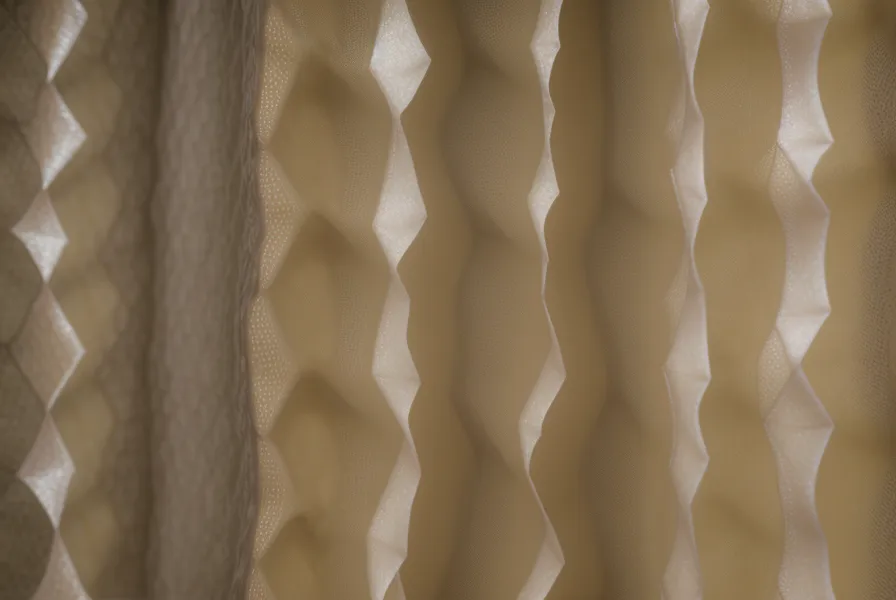
Cellular shades, often called honeycomb shades, use small pockets that trap air instead of a single sheet of fabric. In IT, we use air gaps for security. In HVAC, we use them for insulation. Either way, the barrier makes heat work much harder to get across.
Sizing mattered more than I expected. I stood in the blinds aisle at the Broadway Home Depot near Wilmot Road, checked the stock sizes against my measurements, and none matched closely enough. Windows in 1990s suburban builds are rarely standard. SelectBlinds shipped free measure-and-cut samples before I committed, and that settled it.
My bedroom thermometer logs show a 4-5F drop near the window at the peak 4 PM heat, compared with the old rollers. That sounds small. In HVAC terms, it's the difference between the unit cycling off for twenty minutes and running for three hours straight. I ran the same logic when I weighed replacing a 12-year-old fridge: the upfront cost stings, and the monthly savings make the choice for you. I lay out how I staged these upgrades in The Tucson Summer Survival Guide, and the deeper window heat-load math belongs to a separate desert blackout blinds write-up.
Measuring, Ordering, and the Hand Test
Returns on custom-cut blinds are basically nonexistent, so I measured twice and then measured a third time. The box took about three weeks to arrive. Installing the cordless cellular system took four screws and a snap-in bracket, and the old dusty rollers came down in minutes.
The hand test came next. On a brutal Sunday afternoon, I reached behind the shade and lifted it. A rush of trapped, hot air came out, which proved the insulation was holding the heat back. My neck also lost that prickly, sunburned feeling while I worked at the desk near the window. Before, I had to move my laptop to the kitchen table by 3 PM. Now the hot zone stays within about two inches of the frame.
The Thermal Trap Nobody Puts in the Ad Copy
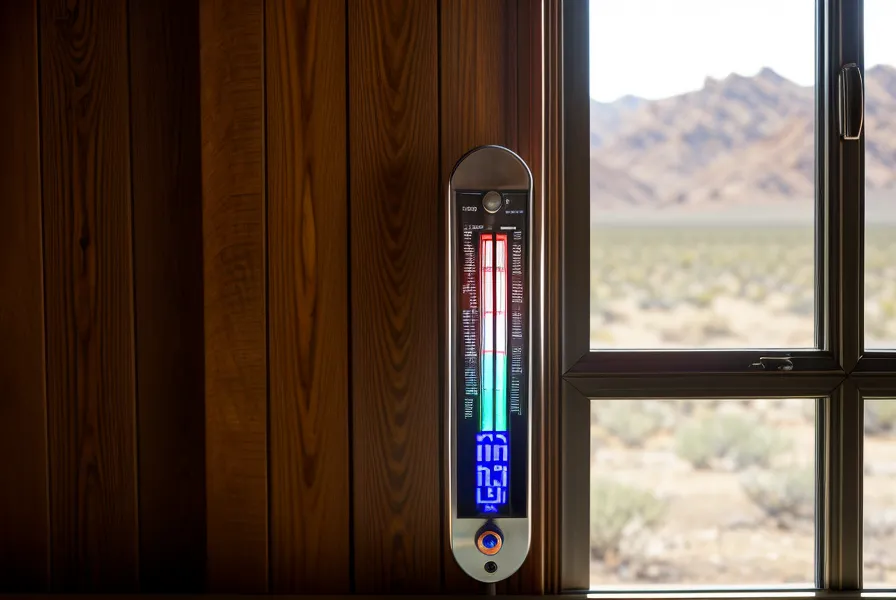
Second misconception: blackout blinds are set-and-forget. Close them all day and all night, and they can turn into a heater on the wall. They insulate in both directions. If the air between the shade and the glass reaches 110 degrees in the afternoon, that heat has nowhere to go but through the frame edges and into your room after dark. That was the 79°F reading in the opening scene. The shade stayed shut through the evening and held in heat the outside air no longer had.
The fix is a manual override. During the day, the blinds stay 100% closed. Once the sun drops and the outside air reaches the mid-70s, I lift the blinds and crack the window for ten minutes to vent the convection current that built up behind them. My rule of thumb is simple: if the bedroom thermometer reads higher than the air outside, open up until the two roughly match. Skip that step, and you're sleeping next to a big vertical heating pad.
One night around three, my hand got halfway to the covers, stopped, and went back under my head. Nothing needed to come off. The ten-minute chore is the reason.
Put the Blinds Inside Your Cooling Rig
With the window under control, the rest of my gear started performing to spec. My Blissy Mulberry Silk Pillowcase, a hefty 22 momme weight, felt noticeably cooler because it wasn't fighting a room stuck at 80 degrees. The Schweitzer Linen Italian Sheets, which I picked because they actually fit my 14-inch mattress without popping off, felt crisp instead of damp. Even the best moisture-wicking fabric fails when the ambient heat is high enough to stop evaporation.
Think of the SelectBlinds shades as the firewall. They stop the external attack (the sun), which lets the internal systems (the BedJet and the breathable bedding) hold their target. If an older mattress still holds heat like a heat sink, look at the Best Breathable Mattress Toppers for Older Memory Foam Beds to finish the job. And if the options overwhelm you, a trip to Mattress Firm is worth it just to feel the gap between "cooling" marketing and truly heat-conductive materials.
Is It Worth It? The Final Math
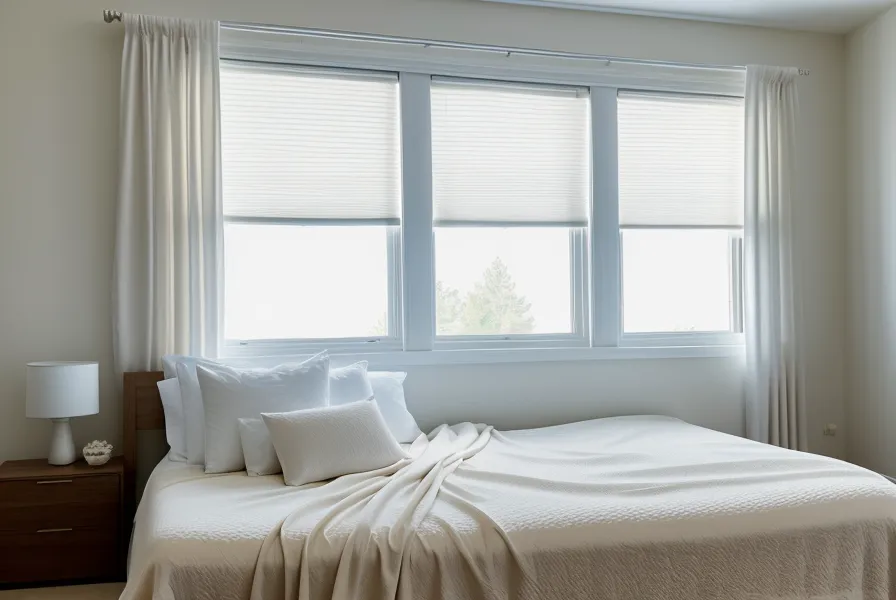
If you're staring at your electric bill and wondering where the leak is, start with the windows. My SelectBlinds setup cost about what I'd spend on a decent mid-range water heater, and the payback period in Tucson is significantly shorter. I save $40-$50 a month on my summer electric bill, and I now get seven hours of sleep instead of five. The math holds up in my house.
The room stays darker, the AC cycles off more often, and I no longer feel slow-cooked at my desk. Choose cellular shades if your window takes direct sun and you sleep hot. Skip them if you won't do the dusk vent, because a shut blind at night works against you. Measure twice, plan for the lead time of two to three weeks, and vent the trapped air once the sun goes down. When you're ready to stop the sun from winning, check the options at SelectBlinds and see if the cellular route fits your floor plan.