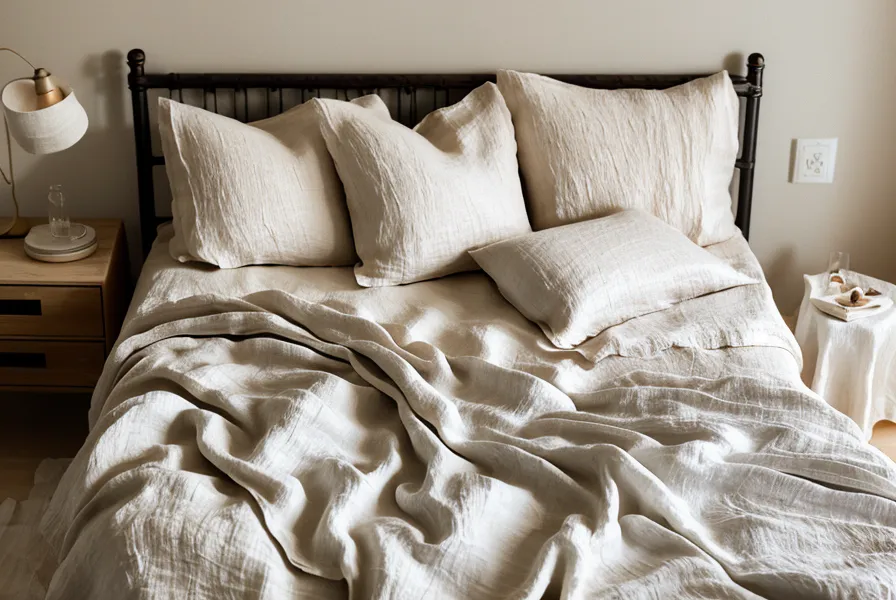
The electric bill hit $487 before the sheets ever became a suspect. That number came first, on a July statement, long before I started treating cooling bedding like a hardware problem instead of a shopping problem in an Arizona house that runs hot from May to October. I run IT systems for a living, so when something in my house is broken, I want a root cause, not a mood board of hot-sleeper solutions and sleep-tech promises about an arctic night on the same overpriced cotton I'd been sweating through since spring. Six months of testing later, I can tell you the actual root cause wasn't the AC. It was the fabric touching my skin, and that's not a popular thing to say to anyone who's spent good money on Egyptian cotton.
Quick disclosure before the fabric talk: several of the links below are affiliate links, and if you buy through one, the retailer sends a small commission my way at no extra cost to you. I paid for every product mentioned here with my own card, ran it through my own testing routine, and none of what follows was written to please a marketing department.
Two years into buying gear to fix a house with an aging HVAC system, I'd already run a long stretch on Schweitzer Linen Italian Sheets sized for a thick mattress, sheets that felt luxurious in October and turned into a damp weight by June. That stretch taught me one belief keeps costing hot sleepers money: the idea that natural fiber is automatically the cooler choice.
The Cotton-Is-Cooler Myth Every Hot Sleeper in Arizona Believes
Cotton feels soft and breathable in a store, and for most of the year that's true. The problem shows up specifically in a desert bedroom already sitting at 78 or 80 degrees at bedtime, because cotton is a decent thermal insulator but a poor conductor of moisture away from skin. It absorbs sweat rather than moving it, and once saturated, the fabric traps heat against you the same way a wet towel does on a summer hike. That's a mechanism, not a marketing claim: a fabric's ability to wick moisture and let it evaporate off the surface, what's technically called evaporative cooling, matters more for a hot sleeper than whatever the fiber started out as.
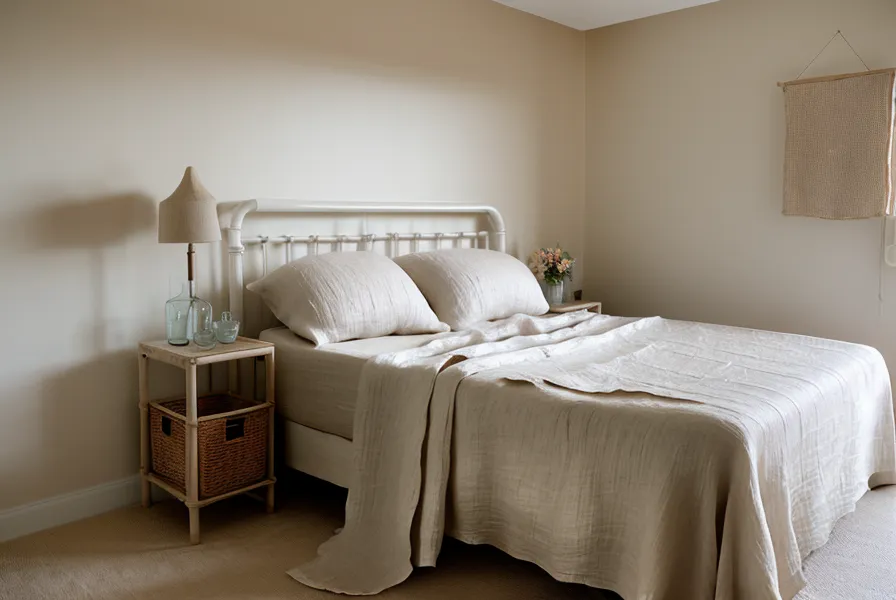
PeachSkinSheets are a sueded, athletic-grade poly-microfiber instead of cotton, engineered for moisture-wicking the way running gear is, and that single design choice explains why they outperformed the Egyptian cotton once the room stopped cooperating. The surface itself is different too: where percale cotton has that crisp, papery crunch, this fabric has a smoother, suede-like hand that doesn't pill against the specific spots where a side sleeper's hip or shoulder presses down all night, the contact points where fabric-to-skin heat actually builds up. So far it's held up the same way through repeated hot washes, no balling forming where my legs move around most, no thinning at the seams.
The Rest of the Sleep System Doesn't Fix Fabric, and Fabric Doesn't Fix the Room
The rest of the sleep system doesn't ride on the sheets alone. I switched to a Blissy Mulberry Silk Pillowcase around the same stretch, 22 momme silk against the side of my face instead of cotton, and it solved a narrower problem: the spot under my cheek that used to feel damp by early morning. A mattress topper would move the needle on sleep-surface temperature more than either sheet or pillowcase, since it's the one layer actually compressing under your body all night, and a waterproof mattress protector solves yet another problem while trading away some breathability to get there, so it's not a substitute for a fabric that manages moisture on its own. Silver-infused, antimicrobial fabric marketing solves a fourth, unrelated problem, odor control, which isn't the same claim as keeping a sleeper dry, and it's easy to buy one expecting the other. If you're chasing one fix for a hot bedroom, swapping cotton for a Blissy silk pillowcase is a reasonable first step, though it won't do what changing the actual sheets does.
None of this replaces active cooling, it works alongside it. A BedJet 3 pushes air under the top sheet and drops the bed surface somewhere in the 6-to-10-degree range, a fundamentally different mechanism than a fabric that just wicks moisture on its own: one is active, moving air with a motor, the other passive, relying on the material itself. That's also a different mechanism than a water-cooled pad pulling heat away through direct contact, conductive cooling instead of evaporative, and figuring out which failure mode you actually have matters before spending money on either. Pricing a unit like the BedJet is the same exercise as pricing a heat pump against a few more years on an aging AC compressor: it's a bigger number upfront, and the payback window depends entirely on how many months a year you're actually fighting the heat. In a house that runs the AC from May through October, that math looks different than it would somewhere with six honest months of shoulder-season weather.
Separating Room Heat From Sheet Performance
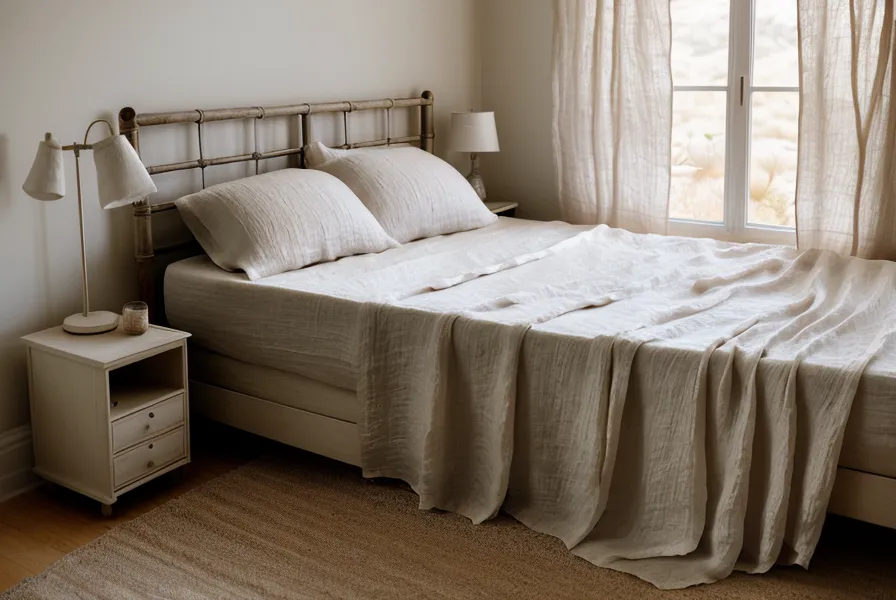
Swapping the sheets doesn't fix a bedroom that's storing heat during the day and releasing it after dark, and that's the part hot-sleeper solutions rarely separate out. Room-envelope heat load, the walls, the windows, whatever the sun soaked into all afternoon, is a completely different problem from what's touching your skin at night. Walking the wash trail at Rillito River Park near Craycroft Road on a summer evening makes that obvious: the outdoor temperature is still in the high 90s well after sunset, and that heat works its way into a house with original-era windows regardless of what's on the bed.
Humidity complicates it further. A monsoon night at 82 degrees with heavy moisture in the air feels worse than a dry 88-degree night in May, because sweat can't evaporate as fast once the air itself is already saturated, a distinction that matters more than whatever number shows on the thermostat.
I tried putting a box fan in the bedroom window on exhaust mode one summer, the idea being it would pull hot air out and let cooler night air in through the door. It didn't do much of anything once the outdoor temperature stopped dropping below the mid-80s at night, which in Tucson can stretch on for weeks. Moving air that's already hot just moves hot air around the room.
A neighbor of mine plays pickleball at Brandi Fenton Park three mornings a week, sleeps fine regardless, and once told me his whole fix for a hot night was to just run a fan. That works for somebody whose baseline body temperature and sweat rate were never the problem. It's a different situation for a hot sleeper who's already running warm before the room does anything to help, and it's also worth separating from an actual medical concern: ordinary heat-driven sweat from a warm bedroom is a different thing from night sweats tied to a health condition, and for where that line sits, I've written separately about excessive night sweats, since a sheet review isn't the place to diagnose it.
Six Months of Wash Cycles and What Finally Changed at Night
The clearest proof came from a sleep tracker, not a thermometer. One night deep into the test, the app logged a heart rate under 60 for a long uninterrupted stretch, something that hadn't shown up once during a Tucson summer on the old sheets, a small, unglamorous number that lined up with the first nights I wasn't waking up to peel fabric off my chest.
Pilling was the thing I expected to fail first, those little scratchy balls of broken fiber synthetic sheets are famous for. Twenty-four hot washes into the test, the surface held: no fuzz, no thinning at the seams, no sign of the pilling synthetic sheets are known for.
The rule I'd give another hot sleeper is simple: stop shopping by fiber content and start shopping by how fast a fabric releases moisture once it's wet. A high thread count or a natural-fiber label doesn't tell you that number, and the only way to find out is sleeping through the worst stretch of summer on it. PeachSkinSheets passed that test on my bed and worked better paired with the BedJet's airflow than they did alone. They're not a fix for winter, and cotton loyalists will need a week or so to stop missing that crisp percale snap. For the rest of how I survived the summer without a massive electric bill, the sheets were one piece of a bigger system, not a standalone fix. For June through September in a house that runs hot, they've earned the spot on my bed.
PeachSkinSheets
Pros
- ✓ Superior moisture-wicking that prevents the 'wet bandage' feel
- ✓ Extremely durable through 20+ washes with zero pilling
- ✓ Deep pockets easily accommodate 14-inch mattresses and toppers
- ✓ Sueded finish stays soft without the loud crunch of percale
Cons
- ▹ Lacks the thermal insulation needed for cold winter nights
- ▹ Synthetic texture takes about a week to get used to if you love cotton
That 8.9 score up top reflects six months of daily use, not a first-week impression, and if you're already fighting a bedroom that won't cool down before midnight, these are the sheets I'd point you to first. The affiliate disclosure from the top of this piece applies to that link the same as every other one here.