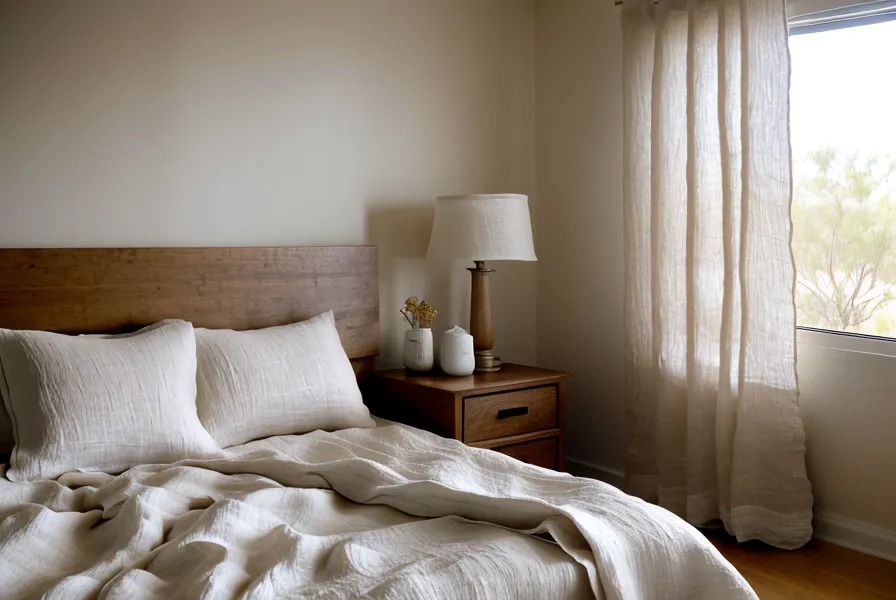
One hundred and forty-two degrees. That's what an infrared thermometer read off my bedroom window glass one July afternoon, sixty degrees hotter than the drywall six feet away. Nobody warns you that desert living means the glass itself becomes the heater; you can sink every dollar of your home-cooling budget into the compressor and still lose, because the real sleep-tech fix was never the mattress, it was the window treatment blocking the sun before it ever reached the glass.
Quick disclosure before the rest of this: several of the links below are affiliate links, tied to gadgets and blinds I tested over a full Tucson summer, paid for on my own card. Clicking one doesn't change your price, it just sends a small commission my way, and I'd rather point you at what actually worked than pad a review with recommendations that didn't survive the season. Full details on that live in the About section.
Why the Window Treatment Mattered More Than the Compressor
My electric bill hit $487 that same July, and the HVAC contractor who came out to check the compressor told me the unit itself was fine — the load was the actual problem. Before I touched the windows at all, I tried the cheap fix first: a box fan wedged into the bedroom window on exhaust mode, pulling hot air out after dark. It did nothing measurable, the room still sat in the low 80s at bedtime, because the fan was fighting solar heat gain that had already soaked into the walls hours earlier. By the time I was pulling air out, the damage was already done.
A neighbor of mine plays pickleball at Brandi Fenton Park three mornings a week and insists the heat never bothers him, but his schedule is the real trick: he's out the door by sunrise and back inside long before the pavement turns into a griddle. My schedule as a contractor doesn't work that way. I'm on calls from a desk in that same bedroom most afternoons, so the heat load between two and five was mine to deal with, not something I could out-schedule.
Cellular Shades and the Honeycomb Air Gap
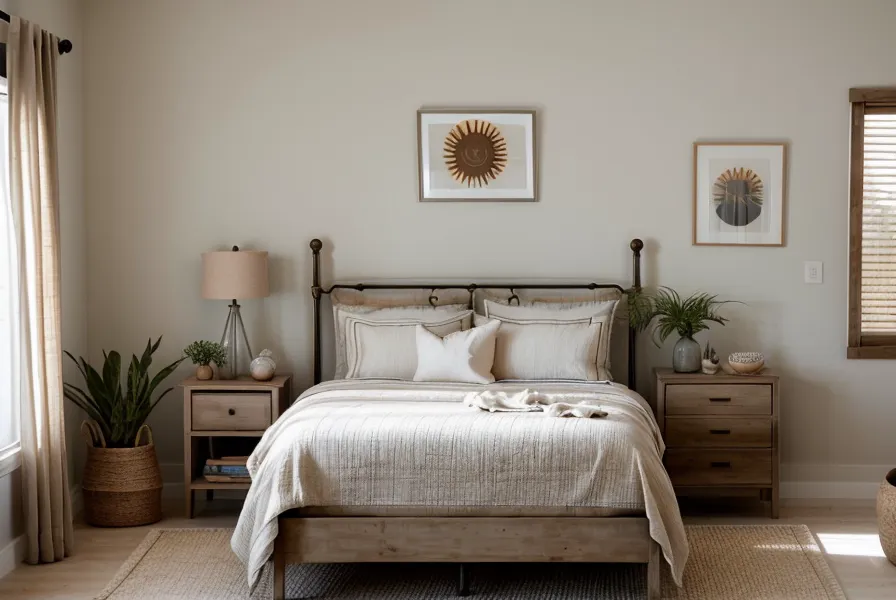
By September I'd stopped treating the windows like an afterthought and ordered custom cellular blackout shades from SelectBlinds, because their cellular design, what most people call honeycomb shades, traps air in sealed pockets instead of just blocking light. It's the same math as pricing a tankless water heater against the R-value you actually get from attic insulation: you're not buying a look, you're buying a barrier between two temperatures that don't want to sit next to each other.
The lead time ran about three weeks since they're custom cut to the window, and when the first real heat wave landed the following May, the numbers were obvious. SelectBlinds lists a 4 to 5 degree reduction over standard shades, and my bedside thermometer landed right in that range — a room that used to hit 82 degrees by mid-afternoon with the AC set at 78 was holding steady at 77, without the compressor short-cycling every twenty minutes.
Light Control Matters More Than What's on the Bed
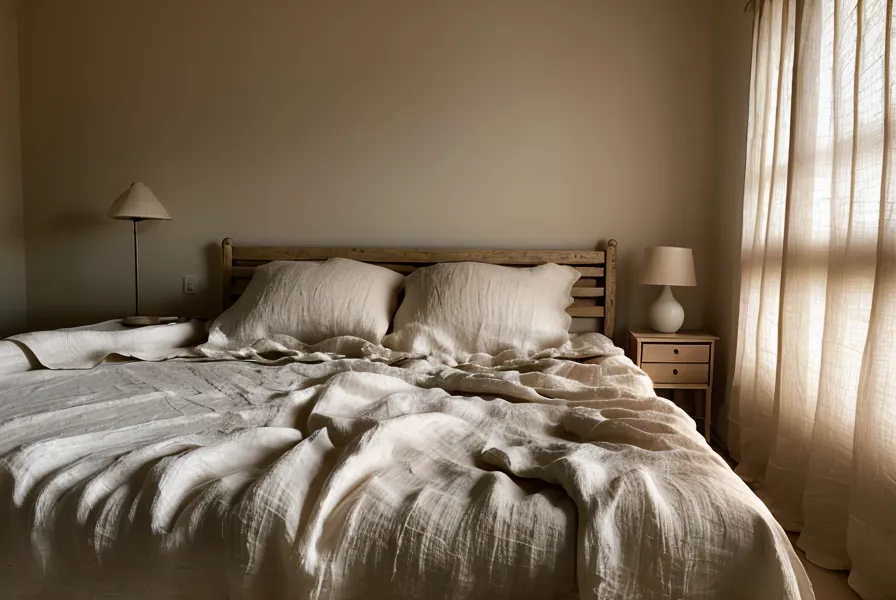
Sheets get blamed first in most hot-sleeper advice, and I've cycled through plenty. My Schweitzer Linen Italian Sheets fit a 14-inch mattress without popping off the corners overnight, which is more than I can say for cheaper sets, but even good cotton reads warm once the air around it sits at 80 degrees — fabric can only do so much when the room itself is the problem, not the weave. Side sleepers dealing with the same desert sun might notice the same thing with Best Cooling Pillows for Side Sleepers with Neck Pain in 2024 once the pillow isn't baking in direct light all day.
Somewhere around three in the morning I reached down out of habit to kick the sheet off like I had every night for years, and stopped with my hand still on the fabric, because for once I didn't actually need to. That happened by about the seventh week of running the new shades full-time, not some sudden realization, just a pattern that showed up once I started logging the thermometer every night — the mattress surface itself runs cooler when the room around it isn't radiating heat back up, which is a surface-temperature problem as much as a room-temperature one.
Working the Bedroom Like a Home Office Changes the Math
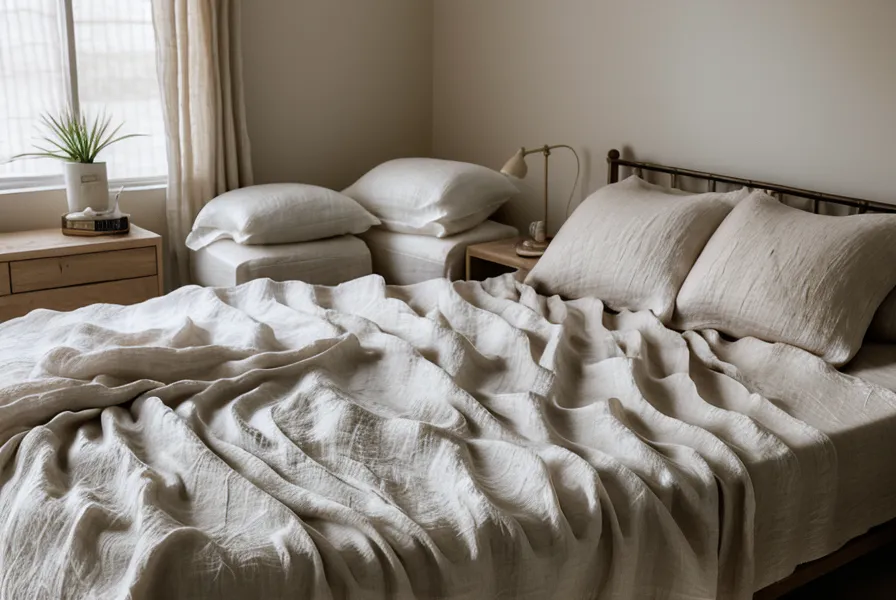
Working from that same room all day changes the equation, because the heat load between two and five in the afternoon decides how hard the AC has to work to recover once the sun drops. A hot room isn't only a temperature problem either — humidity plays its own separate role in how sticky 80 degrees actually feels, a different fight than just chasing the thermostat down. Once the shades cut that afternoon heat soak, my Summer I Broke Down and Bought a BedJet setup didn't have to work nearly as hard to hold a cool sleep pocket, and the payback on that unit looks a lot better once the room isn't fighting it every afternoon.
I also run a Blissy Mulberry Silk Pillowcase now, 22 momme, dense enough to stay cooler against the cheek than any cotton case I've tried, and it doesn't hang onto ambient humidity the way cotton does. For a while I also ran a water-cooler pad system on the nightstand, the kind that circulates chilled water through a pad instead of just blowing air across the skin, and the low mechanical cycle of that pump was the one sound I actually counted on falling asleep to — a genuinely different approach than a fan-based system, worth its own comparison, but not this one. More on the silk side of things is in Best Silk Pillowcases for Hot Sleepers with Night Sweats.
The Windows Pay for Themselves Before the Mattress Does
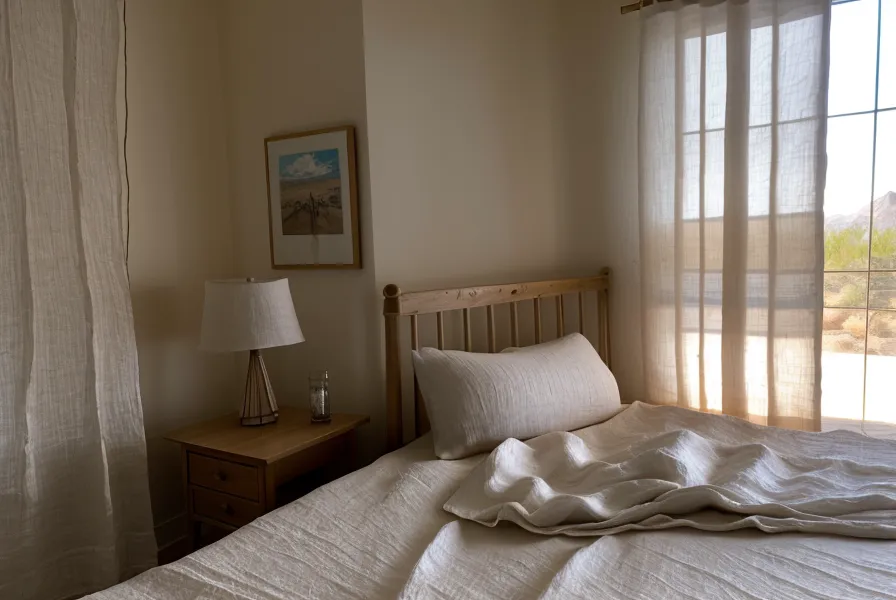
Compressor math applies here too: a fridge that runs flat out around the clock fails early and ends up costing more than the replacement would have. Blackout cellular shades from SelectBlinds are the cheapest lever I've found for taking load off both the HVAC and my own body overnight, cheaper than any mattress or gadget on this list. The bedroom stopped being a space I just tolerated in July and started being something closer to a controlled environment, one I actually log data on.
If you're still hanging plastic blinds or, worse, just curtains, you're leaving both money and sleep on the table before you even get to the mattress question — whether that means a 120-night trial at Mattress Firm or new linens entirely. Fix the light at the window first, because no fan, chiller pad, or thread count out-engineers a room that's already been heated by direct sun for six hours. That's the one lesson from all this testing that applies no matter what you sleep on: block the heat at the source before spending another dollar treating the symptom. These days I actually get up before the heat sets in and walk the trail out by Rillito River Park near Craycroft Road, which wasn't happening back when the bedroom felt like an oven at sunrise — if you're ready to stop the mid-morning sweat, the thermal cellular option at SelectBlinds is where I'd start.