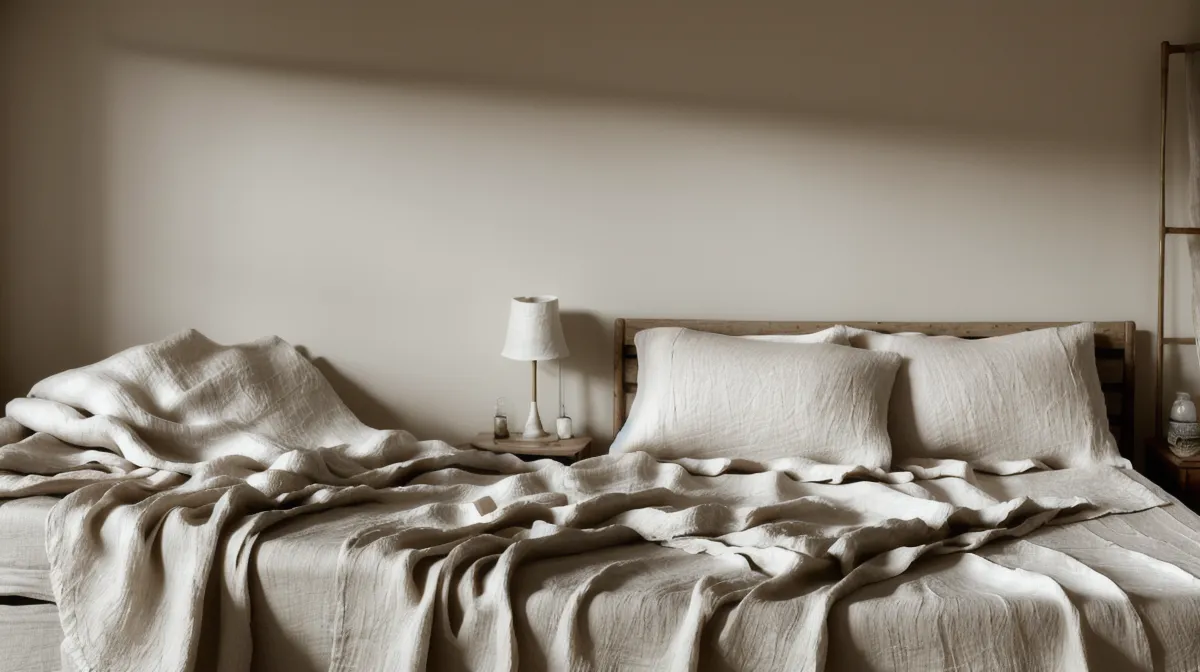
What actually gets a Tucson bedroom under eighty degrees once the air conditioner has already been running for hours? That's the question I spent a full cooling season chasing as a hot sleeper working through one piece of bedding tech after another, before landing on air flow instead of a chilled surface. Somewhere in that stretch I wrapped ice packs in dish towels and lined them along the foot of the mattress like a makeshift cooling shelf. It helped for a little while before the towels went warm and damp, and I was back to flipping the pillow toward whichever side hadn't picked up my body heat yet.
My bedroom thermometer read eighty-two the night I finally gave up on the ice packs, months into what had already been two seasons running a water-cooled mattress pad at the foot of the bed. The AC had been on since mid-afternoon and the room still felt like it was holding its breath. That's the reality of an older Tucson house in a real Arizona July: the HVAC keeps working, the number on the thermostat keeps dropping, and the mattress underneath you doesn't seem to notice.
Quick disclosure before I get into results: most of the product links on this page are affiliate links, and I earn a commission if you click through and buy, at no extra cost to you. Every gadget mentioned here ran a full test cycle on my own bed, paid for out of my own pocket before a word of the recommendation got written. I'm an IT systems contractor by trade, not a sleep scientist, so I don't trust marketing adjectives. I trust watt-hours and whatever the thermometer says the next morning.
If you want the short version: the BedJet 3 is the piece of hardware that actually solved the four AM sweat-through for me, not the water pad, not the ice packs stacked at the foot of the bed.
Why My Water-Cooled Mattress Pad Never Actually Solved Anything
Two seasons with a water-cooled mattress pad taught me more about home maintenance than about sleep. The theory holds up fine on paper, water carries heat away from a surface more efficiently than still air does, but living with the system felt like babysitting a twelve-year-old fridge that's started sweating on the inside. Fill the reservoir with distilled water, add the cleaning solution to keep algae out of the lines, then lie down every night hoping the hose fitting doesn't let go on a fourteen-inch mattress. Anyone who's priced out a water heater replacement already knows where water belongs, and it isn't under a fitted sheet.
The bigger problem showed up once the calendar moved into real Tucson heat. A water pad manages sleep-surface temperature fine when the room itself is cooperating, call it low seventies, but once the urban heat island effect keeps the night air thick past midnight, a cold surface alone isn't enough. The pad reaches equilibrium with your body heat and stays there once enough skin has been pressed against it long enough to warm the material back up, and I'd still wake up damp even when the control panel insisted the water was running cold.
Why Moving Air Beats a Chilled Surface
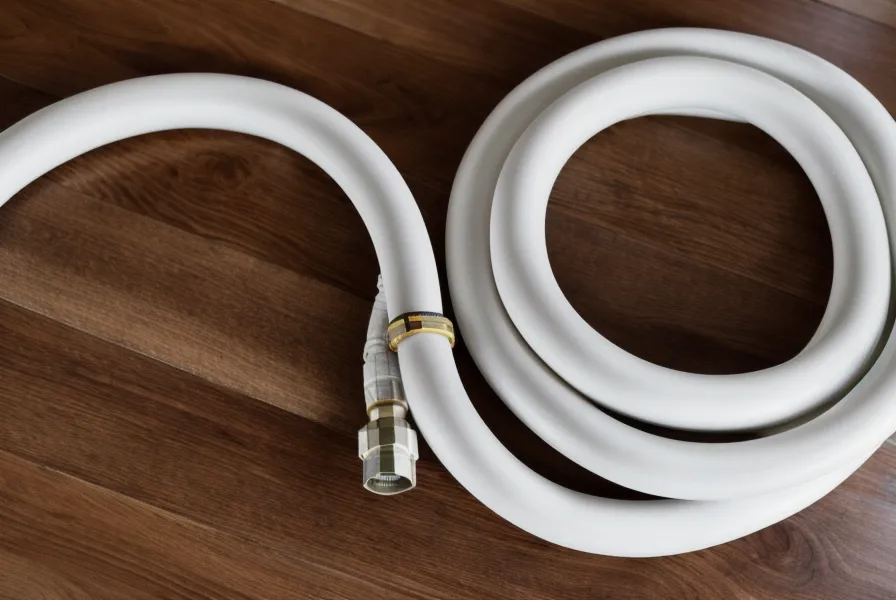
I installed the BedJet 3 in early May, right as the triple digits turned from occasional to daily. Setup was straightforward, no reservoir, no tubing to prime, just a base unit at the foot of the bed and a hose that runs under the top sheet. The system relies on convective cooling, air moving fast enough over skin to carry heat away with it. That's a different mechanism than the evaporative cooling a desert swamp cooler uses or the conductive chill of a water pad, and it's the clearest active-versus-passive comparison in this whole test: air pushed exactly where a hot sleeper needs it, instead of a surface that just sits there being cold.
One July evening during a monsoon spike, the humidity climbed enough that the room felt warmer than the thermometer number suggested, a gap between what a temperature reading tells you and what your skin actually reports that anyone who's tracked a bedroom through monsoon season recognizes fast. A water pad would have needed real time to catch up to that kind of swing. The BedJet didn't wait. Fan at full, and within a few minutes the air moving under the sheet made the mattress surface feel noticeably different against my skin. The manufacturer lists a six-to-ten-degree drop at the surface, and my own thermometer logs backed that up, the space under the top sheet held in the low seventies even on nights the room itself was stuck at seventy-nine.
Sheets matter more with an air system than they ever did with the water pad, because thin or shallow-pocket sheets just get blown off the corners. I paired the BedJet with Schweitzer Linen Italian Sheets, deep-pocketed enough to stay anchored against the airflow, and the swap taught me more about fabric heat retention than any spec sheet could. A fabric that traps warmth against the body works against the whole point of an active-air setup, no matter how good the machine underneath it is. Cheap, shallow sheets cost me exactly two nights of re-tucking corners at midnight before I gave up and upgraded. I wrote up the full sheet rotation, including what I tried and returned, in Cooling My Tucson Bedroom: How I Survived This Summer Without a Massive Electric Bill.
Setting the BedJet's Timer So Four A.M. Stops Waking Me Up Cold
The real advantage over the water pad isn't the peak cooling, it's the biorhythm timer. Leave any cooling system blasting all night and your body's own thermoregulation pushes back around early morning, a normal hot-sleeper pattern rather than the kind of night sweat that needs a doctor's attention, and the BedJet's app just works with that instead of ignoring it. I set mine to run at eighty percent for the first two hours to dump the heat the room banked during the day, scale back to around thirty percent through the deep-sleep stretch, then add a slight warming pulse around six to make waking up less of a jolt.
By about the fourth week of running it that way, I caught myself reaching down for the covers around three in the morning out of pure habit, and stopping halfway, my hand already knew I didn't need them. That's a small thing to notice, but it was the first real sign the timer curve was doing its job instead of me just getting used to a warmer room. My neighbor Peg noticed something was different before I said a word about it. She mentioned one morning over the fence that I looked less like a man who'd spent the night fighting his own bedroom, which, from a retired schoolteacher who reads a room for a living, is about as good a review as the BedJet ever got.
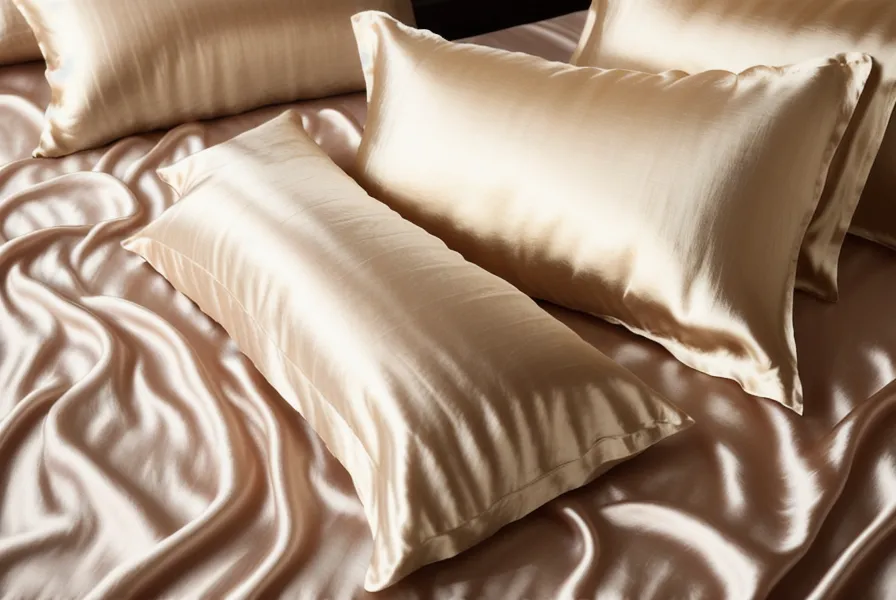
The one gap the air flow doesn't fully reach is the head, so I swapped my cotton pillowcase for a Blissy Mulberry Silk Pillowcase. At twenty-two momme it's dense enough to feel substantial, and silk is naturally hydrophobic, meaning it sheds moisture instead of holding onto it the way cotton does. That's a moisture-management fix, a different problem entirely from the antimicrobial silver-fiber sheets I've tested elsewhere, and worth knowing those two solve different things. I go into the material side of that swap, including what I tried before landing on silk, in Why I Finally Swapped Cotton for a Blissy Silk Pillowcase.
August's Electric Bill Told a Clearer Story Than the Thermometer Did
August's electric bill, sitting next to the one from a year earlier, convinced me more than any thermometer reading did. The water-pad summer, with the house held at seventy-two around the clock, that bill landed at $487. Running the BedJet and letting the thermostat sit at seventy-eight instead, the bill stayed under $360 the next August. That's the payback-window math I trust over any marketing chart: weigh what the hardware costs against what you're already burning every July, the same way you'd price a heat pump against another couple of summers on a straining AC condenser, and the equation resolves faster than most people expect.
I also added cellular blackout shades from SelectBlinds to the west-facing glass, which knocked another four degrees off the room's baseline before the sun even finished setting. That's less a cooling upgrade than a room-envelope fix, since it's cheaper to stop heat from getting into a room than to chase it back out once it's already banked in the walls. The full breakdown, shade by shade, room reading by room reading, is in How I Finally Reclaimed My Sleep in a Desert Home That Refused to Cool Down.
Choosing Between a Cooling Pad and an Active Air System
A reader named Joanna emailed after finding my original BedJet piece, running similar numbers on her own older house outside Phoenix, and her follow-up question was sharp: would a waterproof mattress protector fight the airflow the same way the old pad had. It's a fair worry. A fully waterproof barrier and full breathability are always in tension, and a protector that blocks moisture from getting in can just as easily trap the air the BedJet is trying to push through. I pointed her toward a thinner, more breathable protector instead of skipping one altogether.
If you're still torn on the mattress underneath all of this, a trip to Mattress Firm to lie on a few different hybrid builds isn't a bad use of an afternoon, since some mattress surfaces trap heat against the body far more than others regardless of what sits on top of them. But for the actual sleep problem, a mattress pad only ever manages a static, evenly chilled surface, fine if the room cooperates and useless the moment it doesn't. What four weeks with the BedJet actually taught me is that a cooling system needs to react as fast as the room does, not just sit there being cold. That's the one thing I'd tell any hot sleeper shopping this category before spending a dollar: buy for response time, not for how cold something feels standing in a showroom.
| Product | Rating | |
|---|---|---|
| BedJet 3 Top Pick | 9.2 | Read More → |
| Blissy Mulberry Silk Pillowcase | 8.5 | Read More → |
| Schweitzer Linen Italian Sheets | 8.3 | Read More → |
| Mattress Firm | 8.0 | Read More → |
| SelectBlinds | 7.8 | Read More → |
BedJet 3
Pros
- ✓ Drops bed surface 6-10F in under three minutes
- ✓ Zero-maintenance air system with no water tanks
- ✓ Biorhythm timer prevents the 4 AM chill
- ✓ Significant reduction in AC-related electric costs
Cons
- ▹ Base unit requires clearance at the foot of the bed
- ▹ Fan hum is noticeable at speeds above 60%