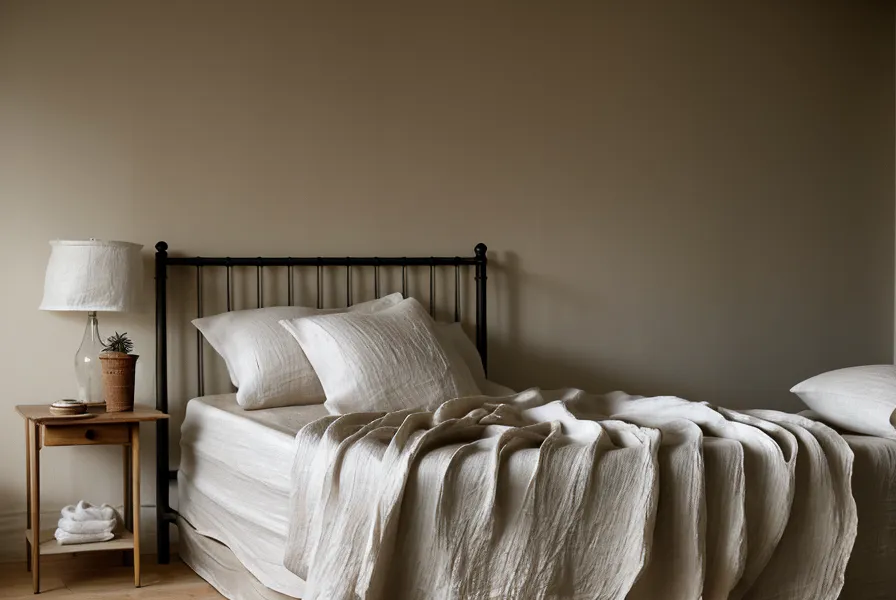
Gel-infused memory foam in a cooling mattress traps heat on a side sleeper's pressure points exactly the way plain foam does, gel or no gel.
That's not a knock on any one mattress. It's the myth this whole piece is built to correct, so the disclosure belongs up front: most product links below are affiliate links, and if you click through and buy, I earn a small commission at no extra cost to you. Every product mentioned spent at least a month in my own bedroom, on my own card, before I wrote a word about it.
Gel Layers Don't Explain Why Foam Still Traps Heat
Marketing copy leans hard on the surface layer: a gel swirl, a phase-change cover, a name like Arctic or Frost stamped on the label. None of that changes the structure underneath. A side sleeper puts most of their body weight on two small points, the shoulder and the hip. If the foam under those points is dense and closed-cell, heat has nowhere to go once you sink in. The cooling layer buys a few minutes of a cold sensation against the skin. Then the foam underneath does what dense foam always does, which is hold onto whatever heat it's given. There's a real difference between passive cooling, a material that simply resists holding heat, and active cooling, a fan or pump that physically moves air or fluid. Most mattress labels never tell you which one you're actually buying.
The rule that actually holds up after months of testing is simple: judge a cooling mattress by whether air can move through the support layer, not by whatever cooling ingredient is printed on the tag. Hybrid builds with open coil channels beat dense all-foam construction every time I've measured them, regardless of what's swirled into the top inch. If you're not ready to replace the whole mattress yet, there are simple ways for cooling a memory foam mattress that sleeps hot that buy you some time, though they don't fix the structural problem underneath.
Before I trusted any of this, I ran the cheaper experiment first. I froze pillowcases in ziplock bags overnight and rotated a fresh one in around three in the morning. It worked for exactly as long as the fabric stayed cold, maybe twenty minutes, before it was just a slightly damp, room-temperature pillowcase again. That told me the problem was never the pillowcase.
My test bedroom doubles as home-office overflow in a single-story 1990s house. A window in the original aluminum frames faces east, so the wall behind it is already baking by 4 PM regardless of the thermostat setting. I keep a digital probe taped to the bed frame right where the mattress surface sits, which gives me the actual sleep-surface number, not whatever the room reads on the wall unit. A separate window unit through that wall lets me cool the bedroom independent of the central system entirely, which is the only way to isolate what the mattress and bedding are doing from what the HVAC is doing.
The Mattress Firm Walkthrough
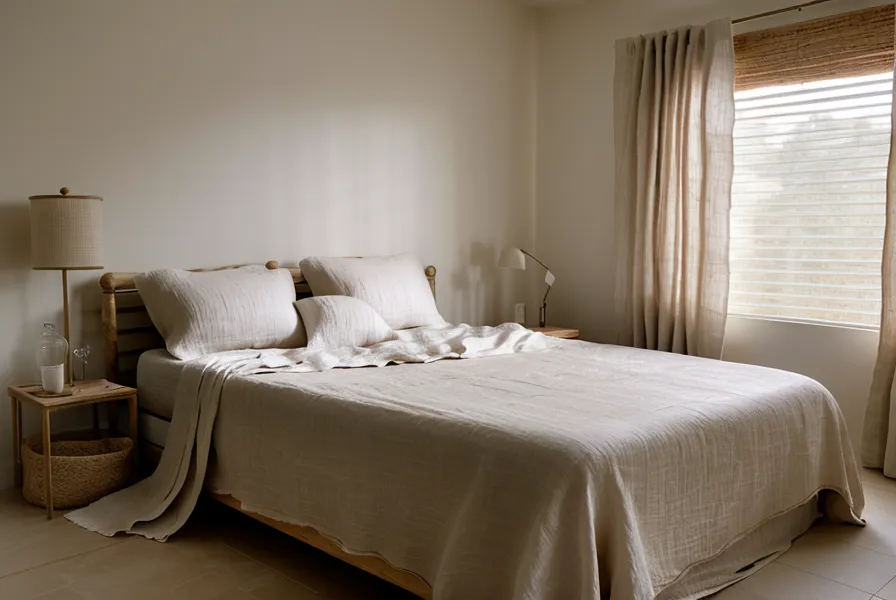
I treated the mattress search like pricing a water heater or checking the payback window on a heat pump: get hands-on, take notes, don't get talked into the first pitch. The first Mattress Firm location I walked into pushed nothing but house brands, so I left and tried a second store instead. That location let me lie on a half-dozen models with a notebook and no pressure to decide that day.
The model that changed my mind wasn't the one with the flashiest cooling-gel name. It was a hybrid with open coil channels under a modest phase-change cover, and lying on it I felt the difference within a minute, which is exactly the trap to watch for. An initial cold sensation off any cover means very little once your body heat builds up over a full night. The 120-night trial mattered more than the showroom feeling did, because it gave me a real test window instead of a five-minute floor demo.
Active Airflow Systems vs. Better Mattresses Alone
Damon Whitley, a colleague from an old managed-services contract who bought his own place across town about a year behind me, won't spend money on anything he can't put a number on. He was the one who talked me into testing an active system instead of assuming the new mattress alone had solved it. Active cooling means a fan or pump doing the work of moving air, as opposed to a material that just resists holding heat. Testing one against the mattress alone was the only way to know which part of the setup was actually doing the job. The BedJet 3 sits at the foot of the bed and pushes air under the top sheet through a hose. On the low fan setting, it drops the bed surface six to ten degrees within a few minutes of switching it on, with numbers I could watch move on the probe thermometer instead of guessing.
There is a low hum at the higher fan speeds. After years of sitting near server racks, it barely registers to me. Pairing the unit with a fresh set of best cooling pillows for side sleepers with neck pain closed the loop on the setup, since the old pillow was still holding heat around my head even after the mattress and the airflow were both sorted.
Whether an active system like this earns back what it costs is a separate calculation from whether it works, and one worth running on your own utility numbers before you buy. Not long after adding the BedJet, I pulled the sheets back one morning and found the mattress surface actually dry, not damp, for the first time in longer than I wanted to admit. That told me more than any spec sheet could.

Layering Sheets and Silk Without Undoing the Airflow
None of this works if the sheets on top insulate whatever the mattress and the BedJet are doing underneath. Fabric holds onto heat differently than foam does, which is a separate problem from what's happening inside the mattress itself. Heavy, non-breathable sheets can quietly cancel out an otherwise good setup. I went with Schweitzer Linen Italian Sheets for the depth as much as the material: long-staple Egyptian cotton cut for a fourteen-inch mattress, so the corners stay put instead of popping off, something the polyester sets I tried earlier that summer never managed.
Cory Estevez, a neighbor two streets over, first knocked on my door the week the BedJet box showed up on my porch. He took one look at the price tag on the silk pillowcase and made a face. He doesn't spend real money on bedroom gear without proof it does something, which is fair enough. I added a Blissy Mulberry Silk Pillowcase anyway. It's 22 momme silk, heavy enough for actual durability instead of the thin stuff that shreds after a few washes. Silk doesn't absorb moisture the way cotton does, so a brief spike in temperature doesn't leave you lying on a damp patch for the rest of the night. You can read the longer version of why that matters in my breakdown of the best silk pillowcases for hot sleepers with night sweats.
Six Months of Sleep Tech on the Whiteboard
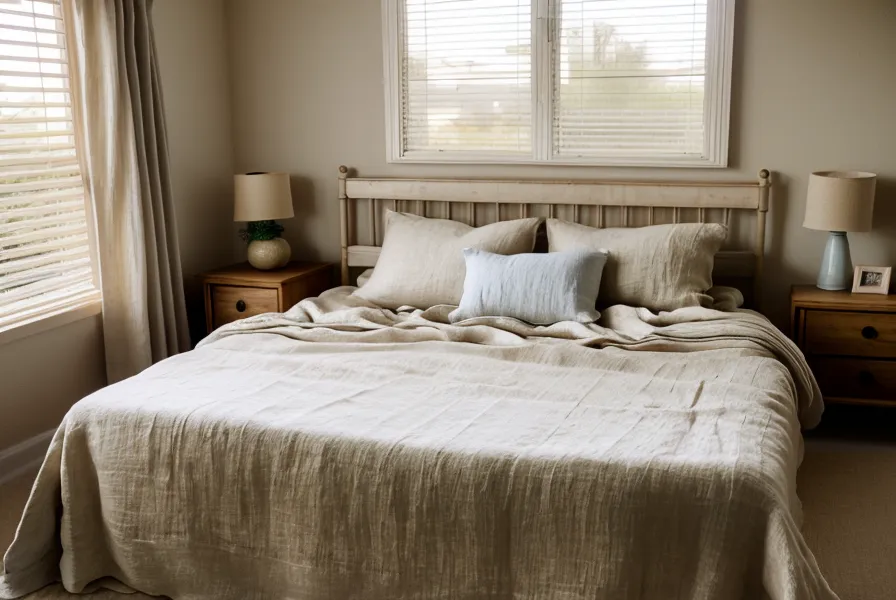
The closet door doubles as a whiteboard where I log every product swap and the watt-hour reading that goes with it, and it's been tracking this setup for about six months now, from the tail end of last summer through this spring. Room temperature has averaged 77.5°F across that stretch. Bed surface temperature read 82.1°F before any active cooling and settled at 71.4°F once the BedJet is running, a real improvement over what I was measuring before that trip to Mattress Firm even started. Sleep duration is up by roughly 74 minutes a night on average, and the utility bill has come down enough, month over month, that I stopped dreading opening it without needing the central air anywhere near refrigerator settings to get there.
The Rule Worth Following If You're Buying Blind
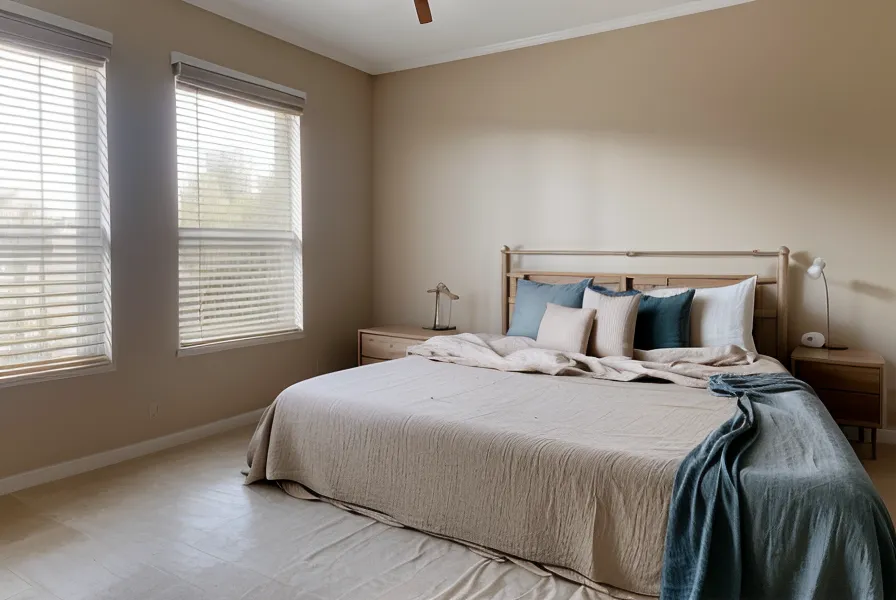
Humidity and room temperature aren't the same complaint, even though people describe both as stuffy, and treating them as one problem is part of why so many buyers grab the wrong fix first. Stop evaluating a mattress by how it feels for the first ten seconds on a showroom floor. Start asking whether air can actually move through the layers underneath you. That's the whole correction this piece is built around.
If you're a side sleeper shopping in a hot climate, go feel the difference between a coil-and-channel hybrid and a dense all-foam build at a Mattress Firm. Use the trial period instead of trusting the showroom moment. Treat an active system like the BedJet 3 as a separate line item you evaluate on its own math, not as proof the mattress alone failed.