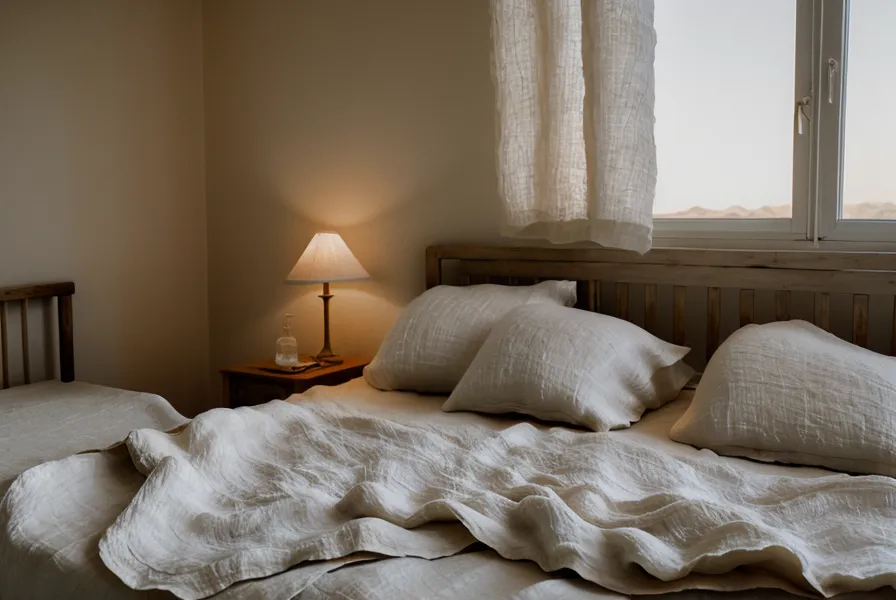
I woke up in a puddle of my own heat last Saturday mid-afternoon, peeling myself off a memory foam mattress that felt less like a bed and more like a damp, viscoelastic sponge. My bedroom thermometer was hovering in the mid-80s despite the HVAC running full tilt, and that old foam—which I bought back when my 1990s house felt like a bargain—was radiating every watt of my body heat back at me. It’s a specific kind of failure: the bed doesn't just feel warm; it feels like it’s actively conspiring against your core temperature.
Before we get into the logs, a quick disclosure: most product links on this page are affiliate links. If you click through and order, I earn a commission at no extra cost to you. Every gadget and topper mentioned here underwent a 30-day Tucson summer test cycle on my own bed, paid for with my own credit card before I ever sat down to write. I’m not a doctor; I’m just an IT contractor who got tired of seeing a $487 electric bill in July while still waking up drenched. If you have a medical condition causing night sweats, see a professional. If you have a heat-trapping mattress, keep reading.
The Memory Foam Heat Trap: Why Your Old Bed is Failing
Most people don’t realize that memory foam is essentially a high-density thermal insulator. It’s designed to react to pressure and heat, which is great for pressure points but catastrophic for airflow. In my 1990s Tucson home, the original HVAC unit struggles once the outside temp hits triple digits, and that foam mattress becomes a heat sink. I spent late last September logging the delta between my room temperature and the mattress surface using a dual-probe thermometer. Even with the room at 76°F, the foam surface under my torso would hit 94°F within two hours.
The problem with looking for the best breathable mattress topper is the measurable tradeoff: higher material breathability almost always results in lower structural support. If you buy a topper that’s essentially a mesh of air, you sacrifice the firmness that probably led you to memory foam in the first place. You end up trading a hot, firm bed for a slightly cooler, sagging one. I had to find a middle ground that didn't feel like sleeping on a pile of laundry.
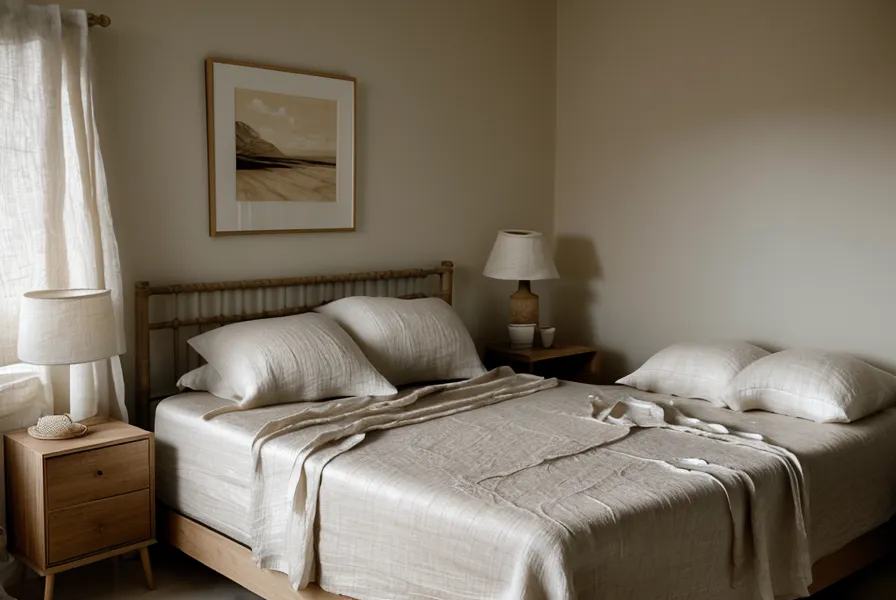
Testing the Active Airflow Solution
After about a month of testing various "cooling gel" toppers that were really just slabs of blue-tinted foam, I realized passive cooling is a marketing myth. If the material is dense enough to support a 210-pound man, it’s dense enough to trap heat. That’s when I pivoted to active systems. I started looking at how to move air *over* the foam rather than trying to find foam that miraculously breathed.
The BedJet 3 was the first thing that actually moved the needle. It’s not a topper in the traditional sense, but it functions as a climate layer. My logs showed a BedJet surface temperature drop of 6-10F in under three minutes. It’s like pricing out a new heat pump; you’re looking for the most efficient way to move BTUs away from the source. During the July heatwave, this was the only reason I didn't move to the couch. It uses a biorhythm timer that I can set to gradually warm the bed toward morning, which prevents that 4:00 AM chill that usually happens when the sweat finally evaporates. It’s a mechanical solution to a material science problem.
If you're still determined to go the traditional route, I spent some time at a Mattress Firm showroom during a particularly brutal afternoon. I learned that if you’re dead-set on a physical topper, you need to look for open-cell structures or natural latex. But be warned: the 120-night sleep trial is your best friend here. I’ve returned two "breathable" toppers that pilled by week three and offered zero support for my lower back.
The Fabric Layer: Why Your Sheets are Suffocating the Topper
One humid August evening, I realized my "breathable" cotton sheets were actually the bottleneck. Even the best topper can’t perform if it’s buried under low-grade polyester or heavy-weave cotton that acts like a vapor barrier. I’ve written before about cooling bed systems for night sweats after a desert summer, but the topper-sheet synergy is where most people fail.
I swapped my standard set for Schweitzer Linen Italian Sheets. These are long-staple Egyptian cotton, which is woven into a much finer thread. This allows for significantly more air passage. They are designed for a 14-inch mattress, meaning they didn't pop off the corners of my old memory foam bed even after I added a topper. They’re expensive, but it’s like upgrading the compressor on an old fridge—you pay more upfront for a system that actually functions under load.
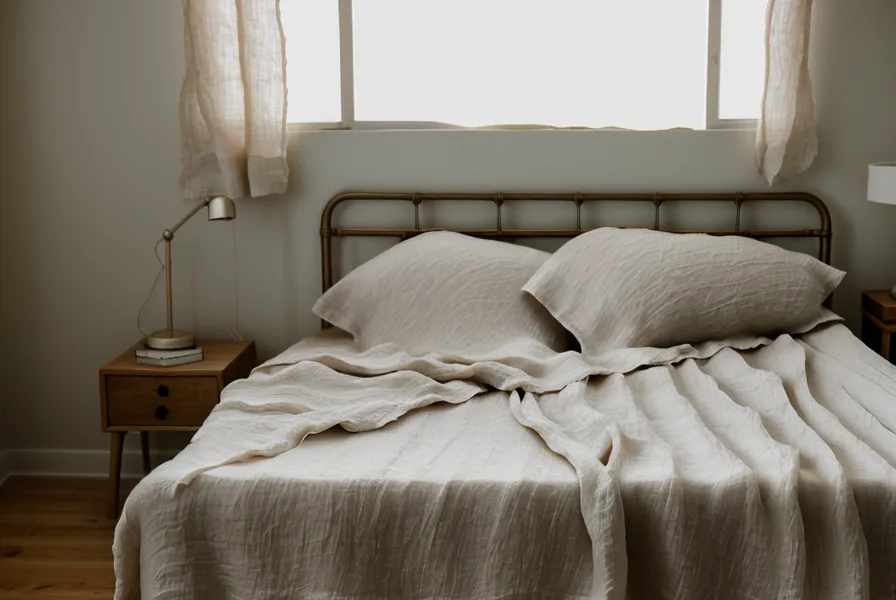
The Role of Silk in Thermal Regulation
I also integrated a Blissy Mulberry Silk Pillowcase into the setup. Silk has a natural 22 momme weight measurement that provides a density which stays cool to the touch without absorbing moisture like cotton does. In my comparison of Blissy silk vs cotton, the silk won every time for head-temperature regulation. If your head is hot, the rest of the bed feels like a furnace. It's a small component, but in IT terms, it’s like upgrading your thermal paste—it’s a small change that helps the whole system run cooler.
Environmental Factors: The Tucson Heat Load
You can’t fix a hot bed if the room itself is a greenhouse. My bedroom faces west, and by 4:00 PM, the desert sun is hammering the glass. I installed cellular blackout shades from SelectBlinds, which provided a cellular shade thermal impact of 4-5F on the room temperature. Reducing the ambient heat load meant my BedJet and my "breathable" setup didn't have to work as hard. It’s basic math: if the room starts at 82°F, you're already behind the curve.
I've documented this entire process in my Tucson summer survival guide, and the data is consistent. You need a multi-layered approach. An old memory foam bed is a structural asset that has become a thermal liability. You fix it with airflow, high-thread-count natural fibers, and external heat management.
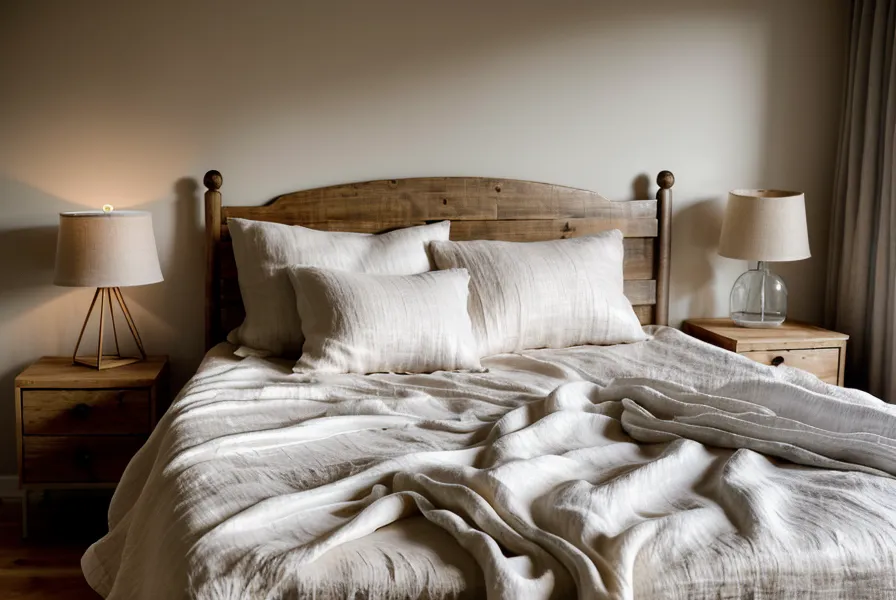
Final Verdict on the Topper Tradeoff
After testing every "cooling" gimmick on the market, my notebook tells a clear story. If you add a soft, breathable topper to an old memory foam bed, you will sleep cooler for about two weeks before the lack of support starts causing back pain. The material simply isn't dense enough to do both jobs. That’s why I eventually stopped looking for the "perfect" foam topper and started looking for ways to force air through the layers I already had.
The combination of the BedJet 3 for active airflow, the Schweitzer Linen for permeability, and the SelectBlinds to keep the room from heat-soaking during the day finally killed the night sweats. I no longer wake up mid-afternoon feeling like I'm being basted in my own bed. It’s an investment, sure, but when you calculate the cost of a new $2,500 mattress versus a $500 tech solution that actually works, the math favors the tech every time. If you're ready to stop the fan-and-frozen-pillow routine, I’d suggest starting with the BedJet 3—it’s the only thing that actually changed the numbers on my thermometer.
| Product | Rating | |
|---|---|---|
| BedJet 3 Editor's Pick | 9.4 | Read More → |
| Blissy Mulberry Silk Pillowcase | 8.8 | Read More → |
| Schweitzer Linen Italian Sheets | 8.5 | Read More → |
| SelectBlinds Cellular Shades | 8.2 | Read More → |
BedJet 3
Pros
- ✓ Drops the bed surface 6-10F in under three minutes
- ✓ No water tanks or maintenance required
- ✓ Biorhythm timer prevents morning chills
Cons
- ▹ The base unit takes up floor space
- ▹ Hose creates a slight hum at high speeds