
Bolt one machine to the foot of your bed for a Tucson summer and you get exactly one real choice: push conditioned air across the sheets, or run cold water through a pad under your back — so which one keeps you asleep? That is the whole BedJet vs Chilipad question, and I did not arrive at it the easy way. My last passive fix was a set of 1000-thread-count Egyptian cotton sheets sold as breathable; the probe on the bed frame woke at 79°F and climbed past 80 before the small hours, and that dense weave just banked my own heat against me like a second skin. Cooling bed systems exist for one plain reason: a sheet, any sheet, cannot pull heat out of a room.
So here is the short version before the mechanics. In dry desert heat the air unit is the one I reach for — it reacts in a couple of minutes and there is almost nothing to maintain — while the water pad only wins if you want a fixed, refrigerated setpoint and will babysit a reservoir to hold it. The quick self-test before you spend a dime: do you sleep dead still, or do you thrash? Water rewards stillness and punishes rolling with warm spots; moving air does not care how much you move.
Quick disclosure before the comparison: most of the product links here are affiliate links, so a purchase sends this site a commission while your price stays the same. Every unit in this test — the BedJet 3 included — got a 30-day run on this bed and went on my own card before it earned a sentence. My day job is keeping servers from cooking themselves, and the fix there is never to refrigerate the whole warehouse; you move air through the one rack that is actually hot. A bedroom is the same problem at smaller scale.
The split that actually decides it: active cooling versus passive
Passive cooling is everything that only slows heat down or wicks a little sweat. Cotton, silk, blackout shades, a fan pushing room-temperature air, a pillow you pulled out of the freezer — none of it removes heat from the space. A frozen pillow is a finite heat sink; it soaks up warmth for an hour, saturates, and turns into a damp sponge. Passive gear manages the margins. It never sets the temperature.
Active cooling spends power to move heat energy out of the sleep zone, or add it back, so the surface can hold a target the room is not at. That single line is the real divide. Everything from waterproof cooling mattress protectors to a high-end tower fan sits on the passive side; a powered bed-climate unit sits on the active side and can actually pick a number and keep it.
Within active cooling there are only two ways to strip heat off your skin: convection, which is moving air, and thermal conduction, which is direct contact with something colder. Air units use the first. Water pads use the second. That one fork is the entire comparison.
My house has decent insulation, but the R-value was never built to win a July afternoon out here — run the numbers and the meter spins like a top. The appliance-math move is to stop cooling the whole house and cool the six inches between the mattress and the top sheet instead. Set the thermostat high, let the BedJet 3 own that six inches, and the rest of the place can stay warm on paper.
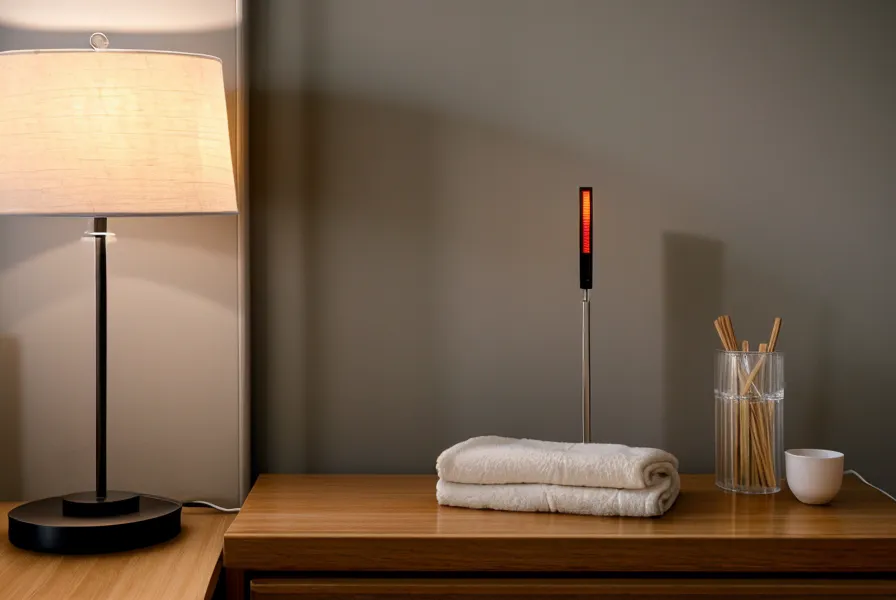
BedJet vs Chilipad: air through a hose, or water under the pad?
Here is the mechanical difference, and it is worth getting exact. An air-based system like the BedJet 3 conditions air and pushes it through a hose at the foot of the bed, up into the bedding, so cooled air surrounds you. A water-based system — Chilipad, plus the newer OOLER and Cube units — circulates chilled water through a thin pad laid directly under the sleeper, so you shed heat by lying on it. Same goal, two completely different machines.
The air side reacts fast. Crank the fan and the bed surface drops six to ten degrees in under three minutes — you feel it before you have finished changing the setting. The air unit is not invisible, mind you: it sits at the foot of the bed, and at the top fan speed the airflow is loud enough to notice. Water is slower to reach its number but steadier once it gets there, as long as you hold still. Morris, a college friend who moved to Phoenix and has fought desert heat longer than I have, ran the previous-generation water pad for years before I set the two side by side; his read matched my logs — rock-steady when you sleep like a statue, patchy the second you roll.
Where the air unit pulls ahead
Maintenance is where the air unit quietly wins. Water systems want distilled water, a reservoir you clean, and lines that can clog or leak; the water unit's controller even locked up on me once and needed a hard reset. An air unit is just air: no tank, no chemistry, fewer parts to fail. Wendell, a guy I trade notes with on a home-improvement forum, tried to plumb his own chilled-water loop before buying anything, and it was exactly that upkeep — the topping-up, the cleaning — that sent him back to a sealed unit.
The other edge is the pre-dawn warm-up. Desert nights drop hard before sunrise, right when your body runs coolest, and a static setup leaves you groping for the blanket you kicked off. An air unit with a biorhythm timer ramps from cool at bedtime to warmer by morning on its own, so nothing wakes you to fix it. The tell that it is working is small: your hand goes for the covers on reflex and stops halfway, because there is nothing to throw off.
If you want to lie on the hardware before committing, a showroom like Mattress Firm lets you feel the platforms in person, and most of their house brands carry a 120-night trial. Just know the sales pressure runs hot from store to store — I walked out of one and got treated like a human being at another — so price-check anything you like against the maker's own site.
The water pad's real advantage is the setpoint
Give the water pad its due: nothing holds a cold, flat setpoint like a chilled surface pressed to your back. Lie perfectly still and the temperature gap beats what moving air can give you. Roll over, though, and the warm spots show up — the places the water has not circulated back to yet — while air just refills the gap around you. How cold that surface should actually be for good sleep is its own rabbit hole, one I leave to the write-up on cooling mattress toppers for night sweats.
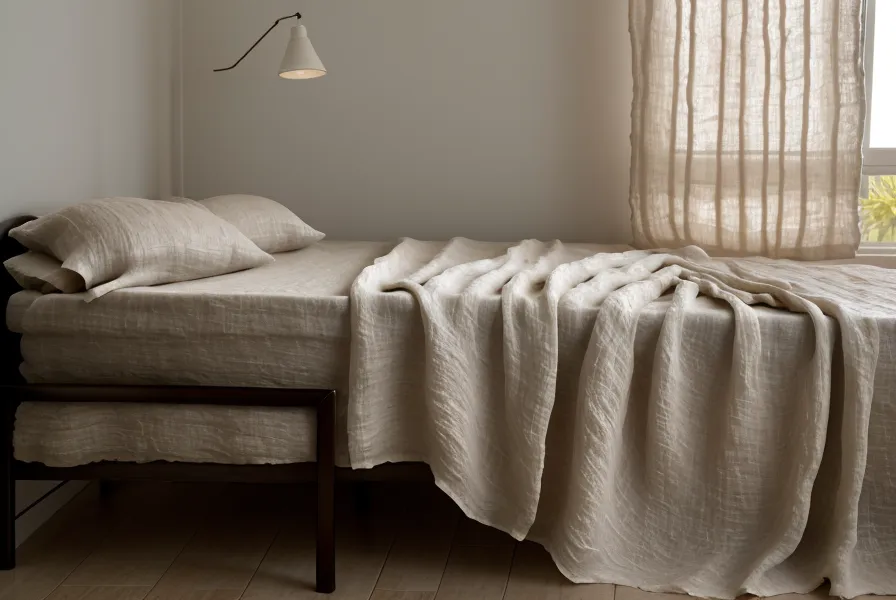
The sheet that promised breathable and delivered a heat trap
Back to that failed set of sheets, because it is the cleanest lesson in the pile. The 1000-thread-count Egyptian cotton was marketed as breathable and did the opposite — a weave that tight packs the fibers so densely it holds warm air instead of letting it go. With no active unit under it, the sheet had nothing to breathe toward, so it simply stored my body heat. Why one fabric traps heat while another sheds it is a whole topic on its own, and I get into cotton versus bamboo elsewhere; the short version is that a sheet is not a cooling system. Its only job is to not fight the machine that is. That is why I run long-staple sheets like the Schweitzer Linen Italian Sheets now — they fit a 14-inch mattress with elastic to spare and the stitching survives weekly hot washes, where cheaper sets come apart.
On the pillow, cotton was doing the same trick under my head. A 22-momme mulberry silk case — the Blissy Mulberry Silk Pillowcase is the one I settled on — sleeps noticeably cooler against the cheek and does not soak up a sweat patch the way cotton does. If a stiff neck is stacked on top of the heat, pairing it with the right cooling pillows for side sleepers does more than the case alone.
Windows are the last passive lever, and the biggest one in a desert bedroom. Cellular blackout shades — I run a set from SelectBlinds — knock four or five degrees off the room during the day by trapping an air pocket at the glass, the bedroom version of a double-pane upgrade. There is a fuller case for why thermal blackout blinds are essential in the desert if you want it. And if the room still feels swampy after the temperature drops, the culprit is usually moisture rather than degrees — but humidity versus temperature is a measurement I keep to its own article.
Choose the air unit when, the water pad when
That leaves the actual call, laid out so you can point at your own situation. Choose the air unit if you want fast response, almost no upkeep, an easy pre-dawn warm-up, and a dry-heat bedroom where a couple of minutes of hard airflow settles the night — which fits most hot sleepers around here. Choose the water pad if you sleep dead still, you want a fixed refrigerated feel above everything else, and a reservoir to clean is a fair price for it. Sharing the bed with someone who runs hot while you run cold? Skip straight to a dual-zone setup either way. Which unit actually pays for itself faster — measured against just dropping the thermostat two degrees all summer — is its own spreadsheet, and I run those numbers in the piece on the summer I bought the BedJet.
For a bedroom that regularly blows past 80°F after dark, my money stays on the air side. The BedJet 3 is the more responsive appliance, there is next to nothing to maintain, and the biorhythm timer means you stop getting up to referee the blankets. Set the thermostat where the whole-house bill can live with it, let the unit own the six inches that decide whether you sleep, and treat the sheets and shades as support — not the fix.