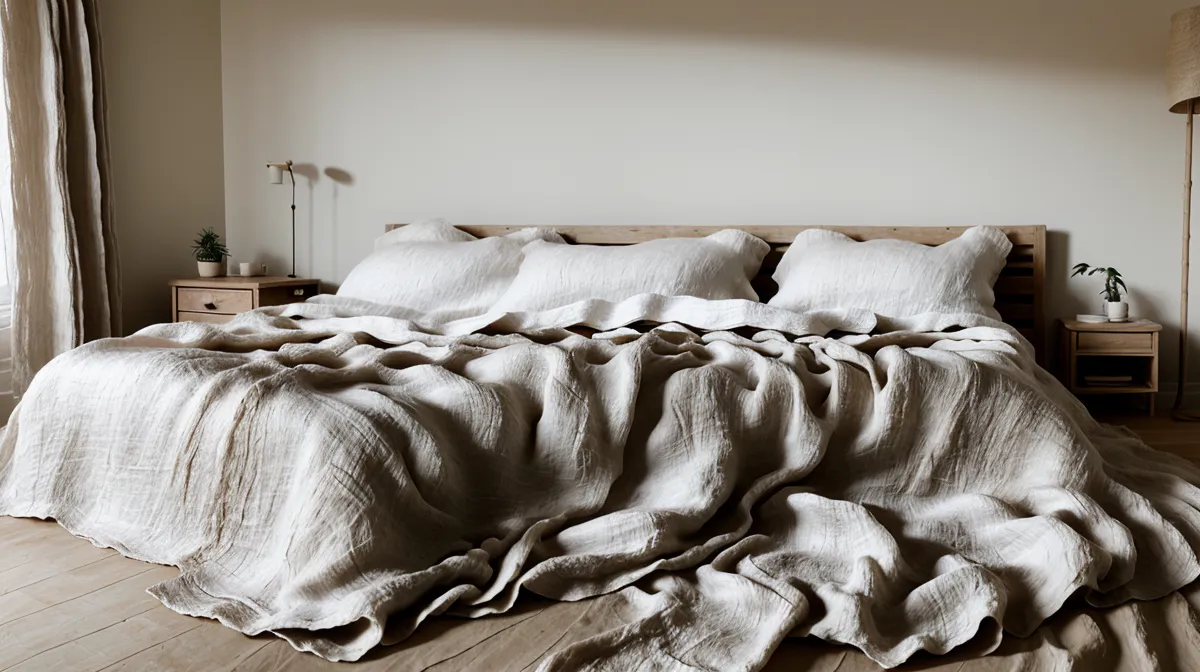
Eighty-two degrees on the bedside thermometer, the air conditioner running the whole night, and my back still sticking to the mattress by sunrise. That reading isn't a humidity problem, not in a city where the outside air can sit under ten percent relative humidity by July. It's the specific kind of night sweats that shows up for men living in hot, dry desert climates once daytime heat, house construction, and bedroom hardware start working against each other at the same time, and it breaks down into a handful of mechanical causes rather than one mystery culprit.
Some of the specific products named further down use affiliate links, disclosed properly where they appear. Clicking one doesn't change what you pay, and it doesn't change which products made this list. Every item mentioned here got tested on my own bed, on my own card, before any brand knew I was writing about it. Only the ones that moved an actual thermometer reading stayed on the page.
A reader named Joanna Beaumont emailed in from Phoenix not long ago with a sharper question than the usual complaint about waking up damp — she wanted to know which specific mechanism was driving her own night sweats before spending more money on gear. That's the right question to start with. Tucson sits at an elevation that should mean cooler nights, but plenty of houses built in the 1990s trap that advantage inside decades-old insulation that holds onto a 105-degree afternoon the way a cast-iron skillet holds a burn. Night sweats in this climate rarely trace back to one cause. They come from a stack of smaller, fixable ones.
The Humidity Paradox Behind Desert Night Sweats
The first cause is the paradox of dry air. Relative humidity under ten percent should help sweat evaporate fast and cool the skin down, and during the day that's exactly what happens. Climb under a standard sheet, though, and you've sealed a small, separate micro-climate against the mattress — the room's overall humidity stops mattering much, because your skin is now managing a wetter, hotter environment a few inches from the thermostat reading on the wall. Room temperature and the humidity trapped right at your skin are two different variables, and only one of them shows up on a wall-mounted sensor.
I logged both for a stretch last summer: seventy-six degrees near the ceiling, ninety-four degrees measured between my torso and the mattress. Cotton sheets, even the expensive ones, act like a sponge once they're damp, and the dry-heat advantage disappears the moment that sponge saturates. When the room itself is working against you before you even reach the bed, the fix usually starts with the whole-room thermal load rather than the sheets. I broke that process down separately in How to Keep Your Bedroom Cool When Your Old HVAC Struggles.
Why Manual Heat Exposure Delays Your Body's Cool-Down
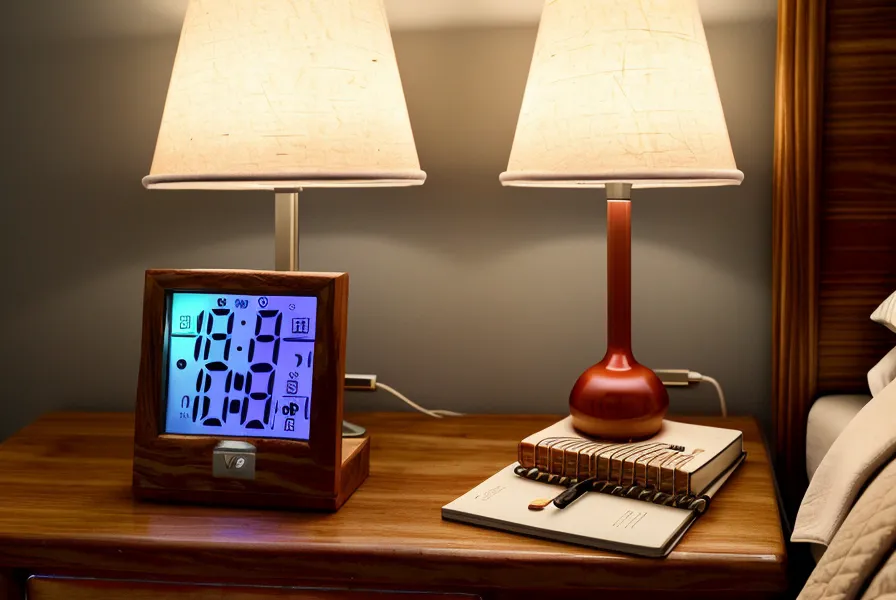
A second cause shows up specifically for men taking on real heat exposure before bed — yard work, roofing, anything outdoors past midafternoon where the air itself runs past 105. Heavy heat load during the day pushes back the body's core temperature regulation, so it's still dumping heat well past the hour most people fall asleep. That's a different problem than just running warm in general. It's a lag in thermal recovery, and passive bedding can't correct a lag, because a sheet or a pillowcase isn't moving heat anywhere — it's only slowing down how fast heat builds up.
Passive cooling only slows heat down, while an active system mechanically pulls it away and forces the reset a tired body actually needs. An active unit like the BedJet 3 was the first thing that gave me that forced reset — it drops the bed-surface temperature somewhere in the six-to-ten-degree range within a few minutes, a different category of fix than anything passive. Whether that's worth the cost comes down to the same math as any home appliance decision: work out the payback window against what you're already spending fighting the heat some other way, not just the number on the price tag by itself.
Check the Fabric Before Blaming the Room
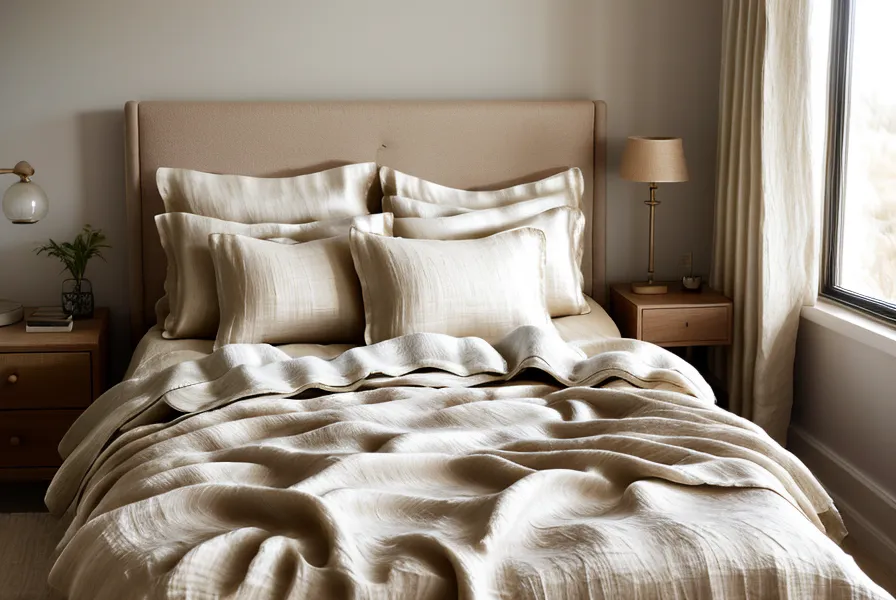
Marketing copy on "cooling" polyester sheets deserves the same skepticism I'd give a vendor claiming zero-downtime software. Most of it is plastic wearing a cooler name, and plastic doesn't breathe — it shuffles moisture around the surface until it eventually evaporates, which it won't do while you're lying directly on top of it holding the heat in place. How much heat a fabric holds against skin, versus how quickly it releases that heat, are two separate properties worth understanding before buying anything with "cooling" printed on the tag. Silk behaves differently here: it doesn't absorb moisture the way cotton does, and it sheds heat instead of trapping it against the pillow. Switching to 22 momme silk, specifically the Blissy Mulberry Silk Pillowcase, showed up clearly enough in the thermometer log that the price stopped being the thing I thought about.
There's also a difference between a fabric that genuinely manages moisture and one that's simply marketed as antimicrobial — silver-thread and odor-control claims deal with bacteria, not heat, and treating the two as the same fix is how people end up disappointed twice. For the longer breakdown on how the pillowcase held up over time, I wrote it up separately in Why Blissy Mulberry Silk Pillowcases Help Hot Sleepers Stay Cool, and paired it with a set of Schweitzer Linen Italian Sheets — long-staple cotton that actually stayed anchored to a 14-inch mattress instead of popping off at the corners the way cheaper sets tend to.
Where Sleep Tech Helps, and Where It's Just Marketing
Sleep tech gets sold as a blanket fix, but a topper only helps if it addresses the actual mechanism causing heat buildup at the mattress surface, and not every topper does that. A gel-infused memory foam topper ordered online promised the gel beads would pull heat away, and in practice it did nothing measurable — memory foam still conforms tight against the body, meaning more skin stays in direct contact with a material built to hold heat rather than release it. Side sleepers deal with this more than back sleepers do, since more surface area presses into the mattress at once, and that contact area is its own separate variable worth checking before assuming a topper alone will fix anything.
The temperature right where skin meets mattress is a distinct measurement from room temperature, and it's usually the one nobody checks first. One morning that stood out: sitting up out of habit before the alarm, and finding my neck dry against the pillow instead of stuck to it, a small, checkable data point that mattered more than anything printed on a topper's packaging.
If the mattress itself is the actual problem, and plenty of memory foam models are notorious for holding heat in a desert bedroom, the fix isn't another topper — it's replacing the hardware underneath it. Mattress Firm carries enough brands under one roof, with a 120-night trial across most of their house lines, that it's genuinely possible to test a model against a Tucson summer before committing to it. For the specific models worth checking there, I put together How to Find a Cooling Mattress at Mattress Firm Locations.
Is Your Bedroom Storing Yesterday's Heat?
Old exterior walls and single-pane windows behave like a battery that charges all afternoon and discharges into the bedroom well after sunset, and no amount of bedding fixes a room that's still radiating stored heat at midnight. That's the room envelope acting as its own heat source, separate from anything happening at the mattress, and it's worth ruling out before spending more on fabric or gadgets. Peg, the retired schoolteacher next door, noticed the new blackout shades on my window before I ever mentioned installing them, saying the house looked different in the afternoon light before she could explain exactly why. Cellular shades from SelectBlinds cut the room's baseline temperature by four to five degrees before the air conditioner even started working, simply by keeping that stored heat from radiating in during the day.
None of this reduces to one gadget or one fabric. It's a stack of separate variables — air humidity against skin-level humidity, active heat removal against passive insulation, fiber type, how much surface area is pressed into the mattress, and how much heat the room itself banked before you ever lay down. Check each one on its own before assuming the next purchase will fix all of them at once. My electric bill still runs high some months, north of $487 in a bad July, but that number stopped being the only data point that mattered once the bedroom started reading as a system with several separate failure points instead of one mystery.