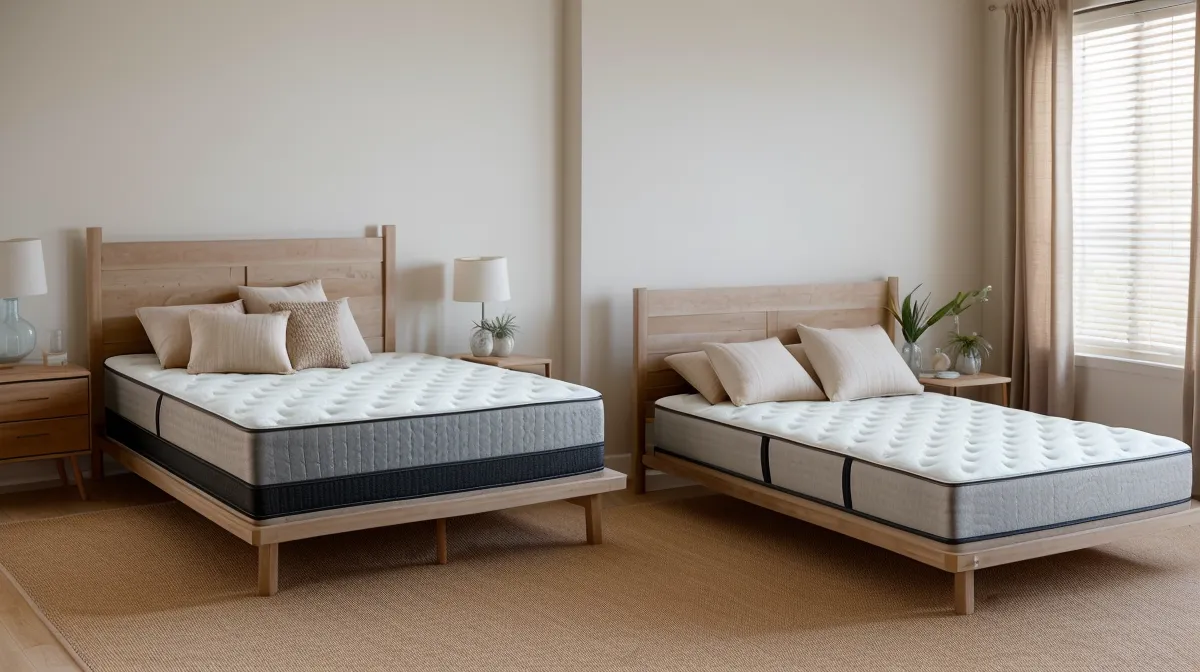
A mattress that feels cold under a showroom's air conditioning and one that still runs cool at hour six — with a body pressed into it — are two different products, and the sales floor is built to sell you the first one. Finding a genuinely cooling mattress at Mattress Firm comes down to a testing method, not a palm laid on the foam, and in a Tucson summer that distinction is the difference between sleeping and sweating.
Quick disclosure before the showroom notes: most product links here are affiliate links, so if you click through and buy, I earn a commission at no extra cost to you. Everything named ran through a 30-day cycle in my own house, on my own credit card, before it landed in a paragraph. An IT contractor writing this, not a salesperson — the priority is the readings, not the pitch.
The number that matters isn't the reading on the wall thermostat — it's the surface temperature of the mattress after a body has been on it for hours. A mattress is passive at best; it slows how fast you heat up, but it can't actively pull heat away the way a powered system can, so I price one the way I'd price a water heater or a heat pump, against the payback window rather than the sticker. In a Tucson summer that math gets unforgiving — the July I stopped guessing, the electric bill read $487, and no amount of frozen anything was fixing a bedroom that sat past 80°F after midnight.
Before any store testing, the household fixes came first. One was ice packs wrapped in dish towels, shoved down at the foot of the bed — all that earned me was a cold, damp patch by my ankles and no help at all under the shoulders and back, where the heat actually piles up. The benchmark I hold a mattress to is quieter than that: waking briefly before dawn and finding the far side of the pillow still cool against the back of my hand.
Showroom-Cool and Sleep-Cool Are Not the Same Purchase
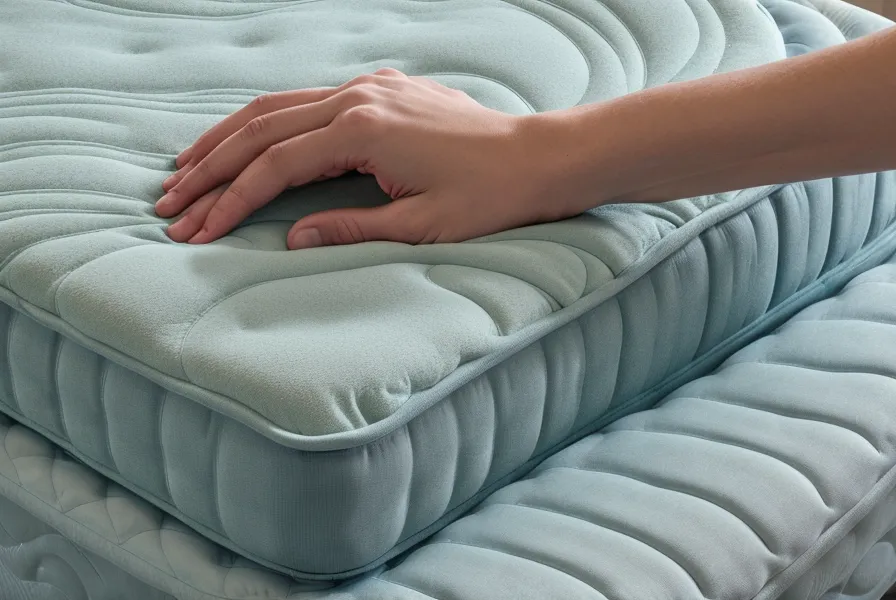
Walk into a showroom during a June heatwave and you step from 105°F straight into a chilled box full of white rectangles, so everything feels cool before you've evaluated a thing. The palm test is where most shoppers stop: press a hand into a cooling-gel top, feel that quick artificial chill, and assume the bed does that all night. It doesn't. That chill is usually just a high-conductivity surface, and it saturates once your body heat soaks in. The phase-change material woven into some covers acts the same way — convincing for a few minutes, then holding heat instead of shedding it.
There's a second thing the palm never tells you, and it's support. A bed that lets you sink into a deep foam pocket wraps a cushion of warm air around your torso, so even a decent cooling cover loses. Stop at a hybrid with real coils under the comfort layers and the body rides higher on the surface, where air can move — that does more for heat than any swirl printed on the foam.
What to Press, Hold, and Ask on the Sales Floor
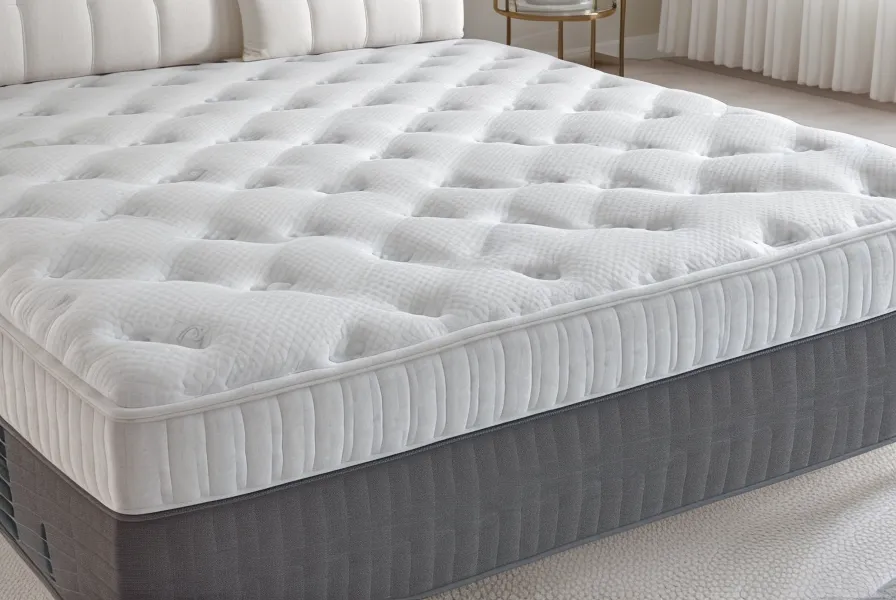
Pressing and holding beats a quick tap. Lay a hand flat and leave it for a full minute — if the cool fades to neutral while you count, that surface won't carry you to morning. Better yet, bring a small digital thermometer and read the surface after you've been on the bed five minutes; if the number stays elevated, the mattress is a heat trap no matter what the blue swirls promise.
Ask past the cover, too. A gel or phase-change cover sitting on a dense, non-breathable poly-foam core is a temporary heat sink, because the core decides where all that warmth goes after midnight — so ask the rep about the density and breathability of the base layers, not just the top. It's worth asking what the cover does with moisture, because in a Tucson, Arizona summer the thermometer isn't the whole story — a dry June and a humid August night feel completely different at the same reading. Gear built for night sweats tends to move vapor instead of just feeling cold, and that's the spec I chase.
A reader in Phoenix named Joanna Beaumont emailed with exactly the right question — not "is it worth it," but which layer of the mattress to check for trapped heat, and how to tell a real cooling core from a cover that fakes it for a few minutes. That's the question to walk in with.
Is a Cooling Mattress Worth Buying Without the Trial Period?
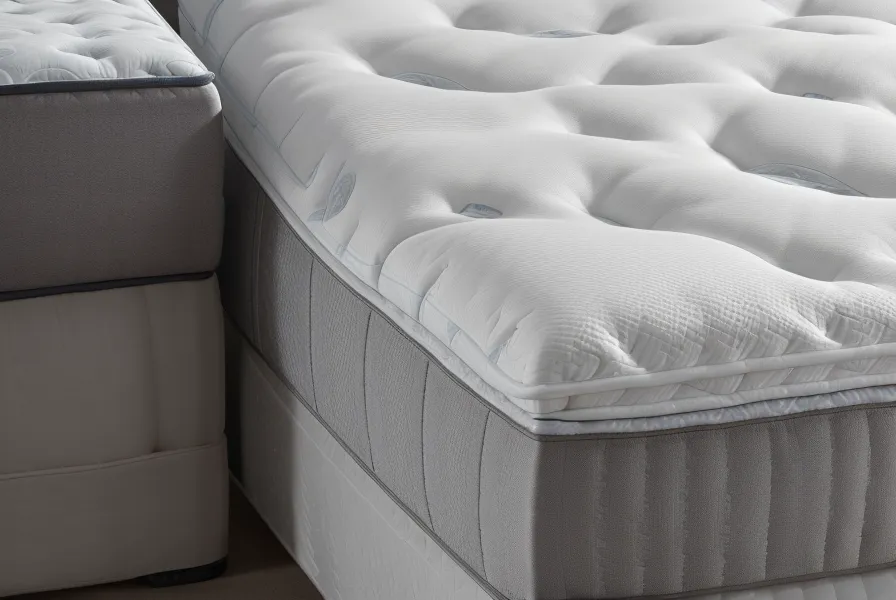
No. The trial is the closest thing to a real test bench you'll get. You can't judge a mattress in a fifteen-minute lie-down in an air-conditioned store, especially when overnight lows stay above 80°F in July. The single most useful thing I found at Mattress Firm wasn't on a spec tag — it was the 120-night sleep trial that runs across most of their house brands. Buy in spring and that window is what lets you watch how the materials behave once the room actually heats up.
Treat the trial the way you'd treat the return policy on a major appliance — the exit route matters as much as the feature list. Two cautions from the floor: sales pressure swings hard from store to store, and the house-brand markups are real, so price-check the exact model on the manufacturer's site before you sign. A trial you never use is cheap insurance; a trial you do use is the whole reason to buy in a store instead of a box online.
Building the Rest of the Cooling Stack Around the Mattress
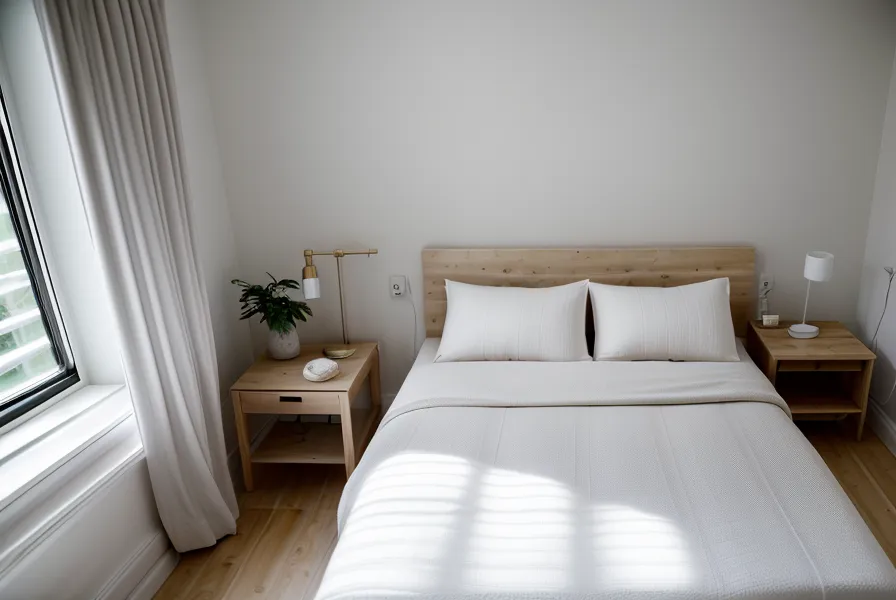
Even the best cooling mattress at Mattress Firm hits a wall when a 1990s attic leaks heat all night, so the mattress is the base layer, not the finish. This is where active cooling earns its keep. The BedJet 3 pushes air under the top sheet and drops the bed surface by 6–10°F within a few minutes — you actually feel it. The unit isn't invisible; it sits at the foot of the bed and the hose gives off a low hum at the higher fan speeds, but that's a fair trade for not chilling 1,800 square feet of original ductwork to chase one warm body, so I keep the house at 75°F and let the unit run the micro-climate under the covers. For the room side of that math, I get into it in my guide on how to cool down a bedroom for sleep without cranking AC.
Sheets can quietly undo all of it. The Schweitzer Linen Italian Sheets I run have a 14-inch pocket that stays put on a thick hybrid instead of compressing the cooling layers, and I swapped cotton pillowcases for a Blissy Mulberry Silk Pillowcase — at 22 momme, silk doesn't soak up sweat the way cotton does, which kills the damp-pillow wake-up. A cover-and-sheet combo that holds heat against you can cancel a good cooling core, which is the whole reason fabric choice matters — I dug into that in my breakdown of bamboo vs cotton sheets for hot sleepers.
A Mattress-Shopping Checklist for Cooling Tech
Bring a short checklist and the sales patter loses its grip. Start with the palm test to rule out the obvious duds, then press and hold to catch the fade, then read the surface with your own thermometer after five minutes on the bed. Ask about base-foam density and whether the cooling is woven into the fabric or just a temporary infusion. Side sleepers have one extra thing to watch — some gels lose their edge when compressed under a shoulder, which I dug into in my review of the best cooling mattress for side sleepers. And don't ignore the window: cellular shades from SelectBlinds knocked my bedroom's baseline down 4–5°F before a single fan came on.
Finding a cooling mattress at Mattress Firm was never about the coldest bed in the room; it's about the one that fits the environment you already have and survives the trial. Two years of logging surface temps and watt-hours with a probe thermometer comes down to one rule I trust: the numbers you take yourself beat the swirls printed on the foam. Start with the palm, finish with the 120-night trial, and let the readings make the call.