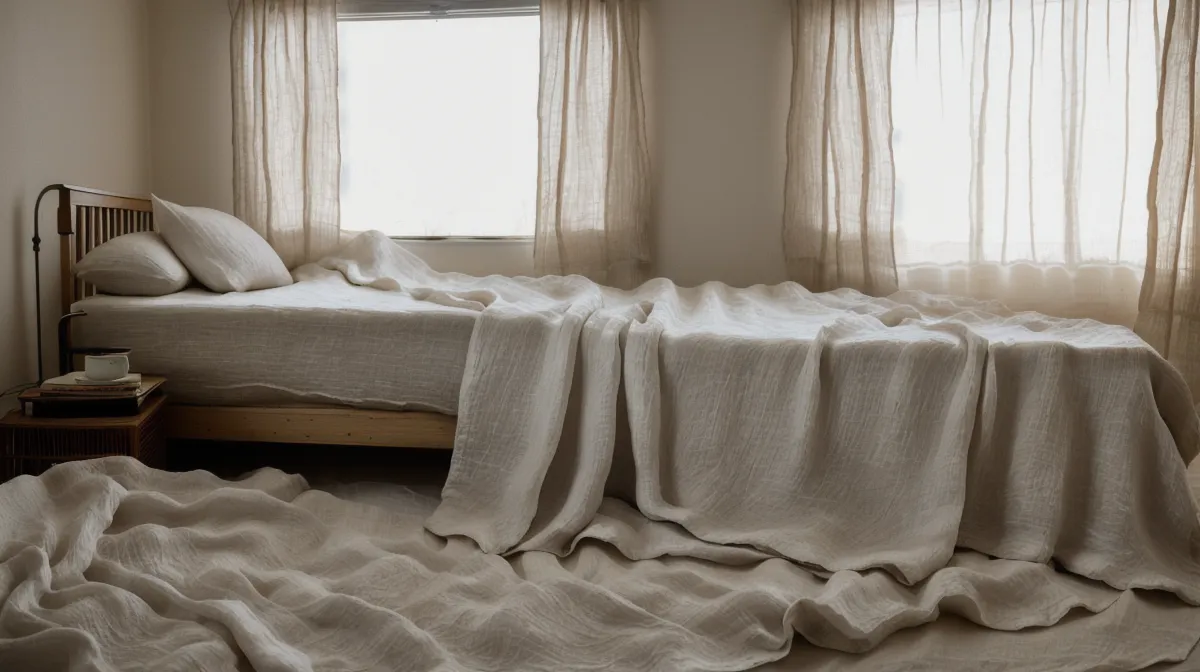
It was early June, well after dark, and my bedside thermometer was stuck at 81 degrees. Even with the compressor humming outside my 1990s ranch-style home, the air felt stationary and heavy. I was lying there staring at the ceiling, feeling the heat radiating from my mattress like a brick oven that had been soaking up the desert sun all day, realizing that my fan-and-frozen-pillow routine was officially a failure.
After moving into this house following my divorce in 2022, I quickly learned that an original SEER 10 HVAC unit is basically a liability when the average July high temperature in Tucson hits 102 degrees. Last year, my electric bill hit $487 in July, which is an unsustainable line item for a single contractor working from home. I spent the last five months—from late spring through the peak of this past summer—treating my bedroom like a server room that needed thermal management on a budget. I stopped trying to cool the entire 1,600 square feet and started looking at the physics of the bed itself.
The Myth of 'Cooling' Synthetic Sheets
One of the first things I learned during about three weeks of testing in early June is that the marketing copy for high-end synthetic 'cooling' sheets is often built on a misunderstanding of how the human body actually sheds heat. I fell for the pitch on a set of moisture-wicking polyester-blend sheets that promised an arctic sleep experience. On paper, they make sense—they move moisture. But in practice, these tightly woven synthetics act as an insulator, trapping body heat against your skin instead of allowing for natural convection.
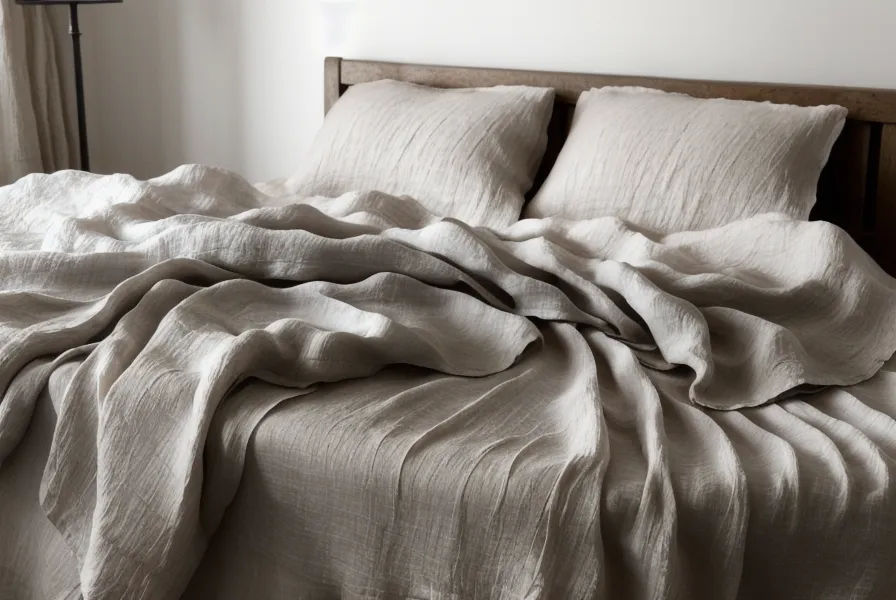
By mid-July, I noticed a recurring failure point: the specific, heavy dampness of a cotton pillowcase that has reached its saturation point by mid-evening. Cotton is a sponge; it holds moisture but doesn't do much with it once it’s wet. I realized that to stay cool without dropping the thermostat to 68 degrees, I needed materials that prioritize breathability over a 'cool-to-the-touch' chemical finish. I eventually pivoted to natural fibers like linen and Lyocell. Technical specs for Tencel fiber show a moisture absorption capacity about 50 percent higher than cotton, and you can actually feel that difference when the humidity kicks up during monsoon season. For more on how I filtered through these choices, you can check out The Tucson Summer Survival Guide: Lessons from a Year of Bedroom Climate Experiments.
Why Your Mattress Topper is a Heat Battery
Around mid-July, I decided to tackle the mattress itself. Most people, myself included, think a 'cooling gel' topper is the solution for an aging memory foam bed. I spent a few weeks logging my sleep duration and room temperature, and the data was frustrating. These gel-infused foams are essentially heat batteries. They feel great for the first twenty minutes because they have high thermal mass, but once they reach equilibrium with your body temperature, they stop 'cooling' and start insulating.
I found that if the material doesn't have open-cell structures or vertical ventilation channels, you're just sleeping on a warmer version of the foam you already had. The human body core temperature must drop by approximately 2 to 3 degrees Fahrenheit to initiate sleep, and a solid slab of gel foam is actively fighting that biological requirement. I had to look for options that focused on airflow rather than just 'cool' touch. I actually wrote a piece on the Best Breathable Mattress Toppers for Older Memory Foam Beds based on how different materials handled the heat-soak effect during those 100-degree weeks.
Airflow Dynamics and the 'Sharp Chill'
By late August, I had refined a setup that relied on high-velocity airflow patterns rather than just raw AC power. I stopped using a standard oscillating fan and switched to a floor-mounted air mover aimed at the foot of the bed. The goal wasn't just to move air in the room, but to facilitate evaporative cooling through the bedding layers.
There is a specific sensation I noted in my logs—the sudden, sharp chill of a high-velocity fan hitting sweat-wicking fabric after hours of tossing and turning. When you pair a high-CFM fan with breathable Lyocell or linen, you’re creating a low-tech heat exchanger. I also started looking into Phase Change Materials (PCM). These are designed to absorb heat and transition from solid to liquid at specific temperature thresholds, often around 82 degrees Fahrenheit. It’s the same logic as pricing a new water heater or calculating the payback on a heat pump; you’re looking for the most efficient way to move BTUs away from where they aren't wanted.
Managing the Environment Beyond the Bed
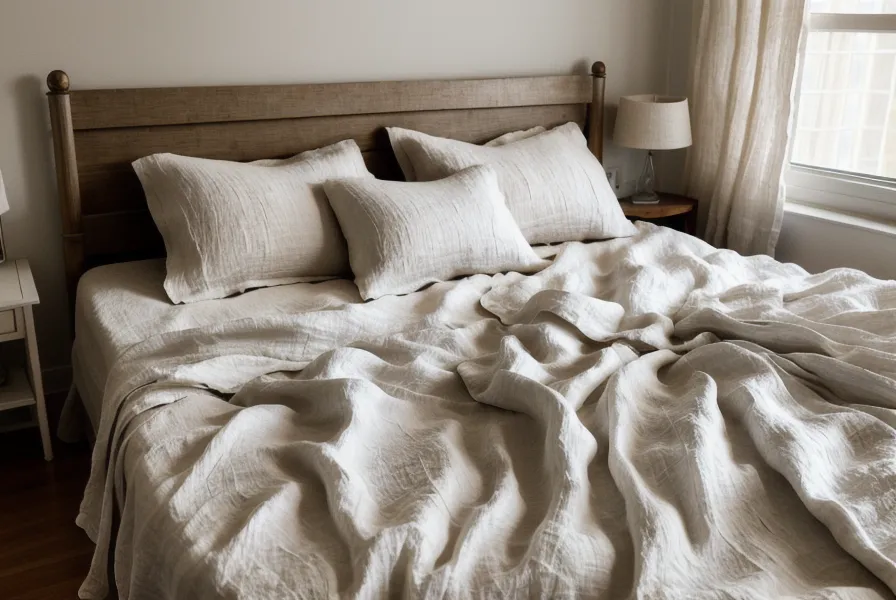
Optimizing the bedding was only half the battle. To keep that July bill from repeating, I had to stop the sun from turning my bedroom into a greenhouse by 4:00 PM. Living in a 1990s build means the insulation isn't exactly R-60, and the windows are usually the weakest link. I found that combining heavy-duty thermal management at the window with my bedding changes allowed me to keep the thermostat at 78 degrees at night while still feeling like it was 72 in the bed.
I eventually looked into Energy Efficient Blinds from SelectBlinds for Cooling a Hot Bedroom to handle the afternoon solar gain on my west-facing wall. It’s a lot like maintaining a server rack—if you don't manage the intake, the internal fans have to work twice as hard. By the time I hit the end of my testing window in late August, I’d managed to shave about eighty bucks off my peak summer bill compared to the previous year, all without waking up in a pool of sweat. It turns out you don't need a $10,000 HVAC overhaul; you just need to stop buying polyester sheets that promise the world and deliver a sauna.