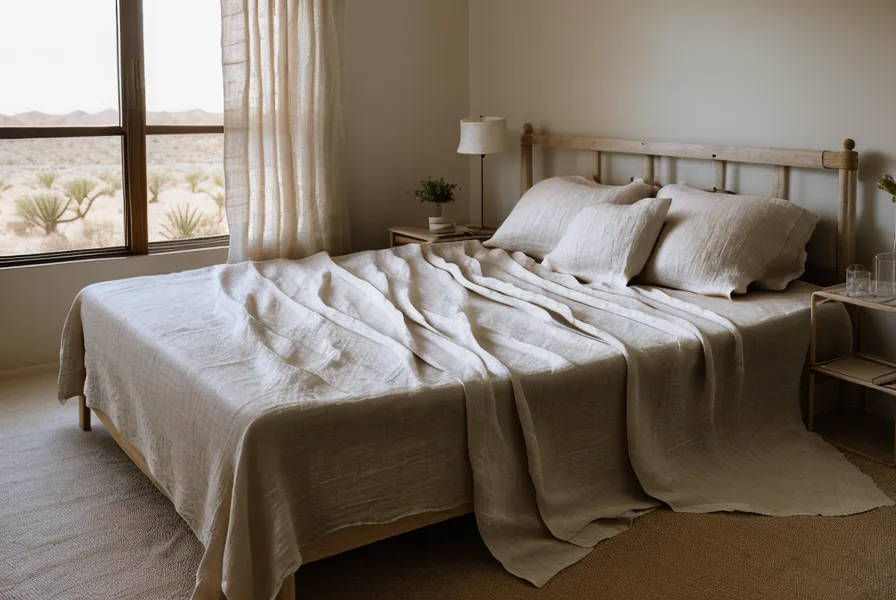
The bedroom thermometer kept reading the same number even as sleep got dramatically worse, which meant the problem wasn't temperature at all. It was humidity: Tucson's monsoon season turns the outside air into something closer to a Gulf Coast night than a desert one, and no amount of chasing a lower number on the thermostat fixes that gap. That gap is what's really behind monsoon-sleep complaints that have nothing to do with plain summer heat, and it's also why passive cooling bedding runs into thermal saturation long before an active cooling system does. A 1990s HVAC unit was never built to pull that much moisture out of the air, and that hvac-limitations problem sits underneath almost every question answered below.
A 1990s HVAC System Can't Dehumidify Fast Enough
My central air is rated at SEER 10, the minimum allowed when this house went up, and a unit that size was never engineered to pull heavy moisture out of the air the way a modern variable-speed system does. How much heat a room's walls and windows soak up through the day and release after dark is its own load entirely, separate from whatever the HVAC is doing, and that's a problem blackout blinds address, not bedding. Getting the whole room under a reasonable number is also a different project than cooling just the mattress, and conflating the two is how people buy a topper when what they actually needed was a dedicated window unit for the bedroom.
Passive Cooling Sheets Hit Their Limit Once Humidity Climbs
Passive cooling sheets work by absorbing heat, not by cooling the air around a sleeper, and gel layers or Phase Change Materials both hit a ceiling once they reach the same temperature as skin. Once that ceiling arrives, the fabric can still impress someone testing it in an air-conditioned store, but at the bed level, against monsoon-thick air, that ceiling shows up fast. My fix, before any of this made sense, was freezing pillowcases in ziplock bags overnight and swapping them in around three in the morning, which sounds resourceful until you admit it's just one more chore that barely dented the problem. I've gone deeper into testing phase change materials during a record Tucson summer elsewhere, and the short version holds: these fabrics are heat sinks, not refrigerators.
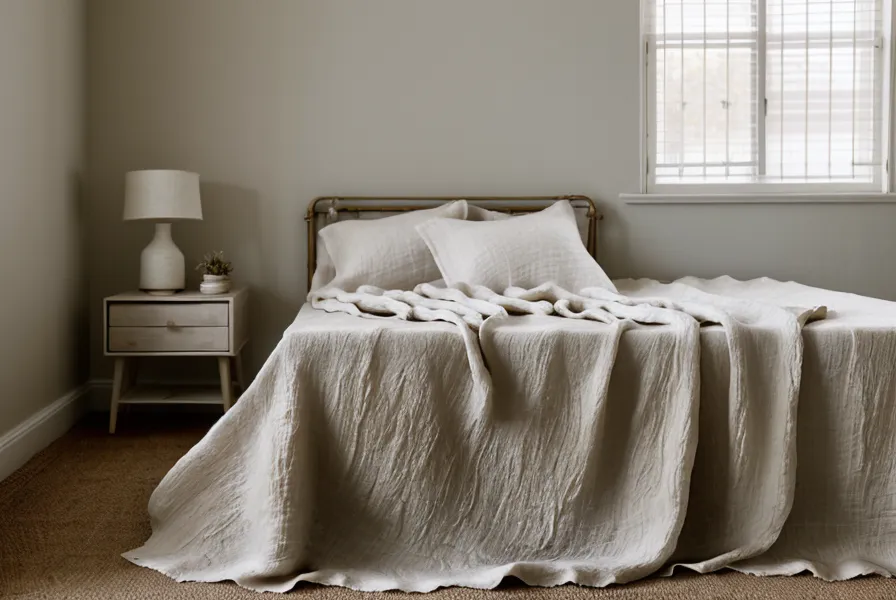
That initial chill from pressing a palm against a sheet in a showroom has nothing to do with what happens six hours into a humid night, since a showroom test measures an instant reaction, not sustained heat dissipation. A tower fan solves a related but different problem: it speeds up evaporation off skin, a different mechanism entirely from a pad that conducts heat away through direct contact, and mixing the two up is how people buy the wrong gadget for a humid climate.
Does a Higher Thread Count Actually Help in Monsoon Humidity?
Thread count by itself tells you almost nothing about breathability, and chasing a higher number is usually money spent on the wrong spec. A tight percale weave moves air differently than the fiber underneath it does, which is why two cotton sheets with identical fiber content can feel completely different against skin on a sticky night. Bamboo and cotton also retain heat differently depending on how the fibers were processed, not just which plant they came from, and that's a longer conversation than a thread-count number can answer alone. The honest answer, after burning through a stack of sheets with impressive numbers printed on the packaging: no, not in this climate, not once humidity is the variable doing the damage.
Mattress Toppers Help the Spot, Not the Room
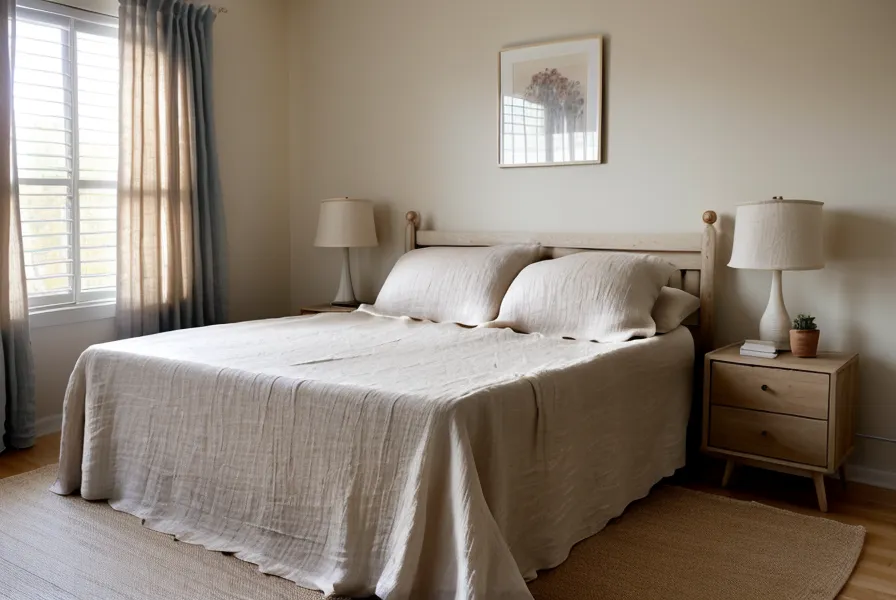
What the surface of a mattress is doing independent of the room's air is its own measurement, worth tracking separately when shopping toppers on any kind of budget. How much of the body is actually pressed into that surface changes how much heat gets trapped underneath, which is why side sleepers and back sleepers report different results from the identical topper. Older memory foam also densifies over years of use and holds more heat than it did when new, an aging problem that has nothing to do with humidity and everything to do with how long it's been on the bed. A topper can shave a degree or two off a hot spot. It can't fix a bedroom that's running warm all night.
Waterproofing and Antimicrobial Claims, Explained
A waterproof mattress protector solves a problem that has nothing to do with the one in this piece, and it trades away some breathability to do it, which matters when heat retention is already the fight. Sheets marketed as antimicrobial or silver-infused are managing bacteria growth, not moisture itself, and that distinction is worth knowing before spending money chasing the wrong fix for a sweaty night. Neither claim has much bearing on whether a bedroom's air is too humid for passive fabric to do its job.
Is This Just Night Sweats?
Readers ask this one more than anything else on the list. Anyone soaked through most nights regardless of what the room thermometer says is dealing with a thermoregulation or medical question rather than a climate-control one, and that deserves a conversation with someone qualified, not a guy with a probe thermometer and a notebook. What's covered in this piece is specific to rooms that run warm and humid enough to beat passive bedding on their own, independent of anything the body is doing.
Telling Humidity Apart From Temperature, in My Own Bedroom
Reid Park on East 22nd Street is a good gut-check for this: walk the path there on a monsoon evening and the air sits on skin in a way dry-heat months never produce, the same heavy feeling the bedroom probe kept logging at night. Temperature and humidity are two different readings, and treating them as one number was a mistake that cost real sleep before the room data proved them apart. Whether a bedroom actually delivers the core-temperature drop that triggers deep sleep, something in the neighborhood of two to three degrees, depends on both numbers moving together, not just the one on the thermostat dial. Surfacing in the dark somewhere past four one night and noticing, almost with surprise, that the pillow hadn't gone warm yet stands out still. A small thing, but the first morning the air itself wasn't fighting back.
Active Cooling Beats Passive Bedding Past a Certain Point
The active-versus-passive question comes down to whether a system moves heat away continuously or just absorbs it until it runs out of room, and that ceiling is exactly why a water-cooled pad eventually earned a spot on this bed instead of another sheet. Comparing how active cooling tech compares to the Arizona summer has come up before, and the conclusion holds through another monsoon season. Whether a system like that earns back its cost against what's already being spent running the AC is its own calculation, one that depends on an actual utility rate and usage pattern, not a number anyone else can hand over.
Damon, a friend who does the same kind of IT contract work and bought his place across town about a year after this one, picked up the identical window unit roughly six weeks after getting a look at what the electric bill was doing that summer. Neither of us needed a utility audit to know the math had changed.
The One Fix That Actually Moved the Needle
Cory, a neighbor two streets over and just as miserable through monsoon season, still texts blurry photos of his own probe thermometer whenever he wants to prove a point about his bedroom.
The fix that actually worked wasn't a better sheet or a colder pillow, it was accepting that a 1990s HVAC system plus Sonoran humidity needed a dedicated cooling appliance at the bed, not another fabric claiming to be arctic. A room thermometer sitting above the mid-70s most monsoon nights, no matter what's on the bed, is the signal to stop shopping sheets and start pricing active cooling or a bedroom-specific window unit instead. That's the threshold worth using, because it explains why passive bedding kept failing no matter how much got spent chasing a better version of the same fabric.