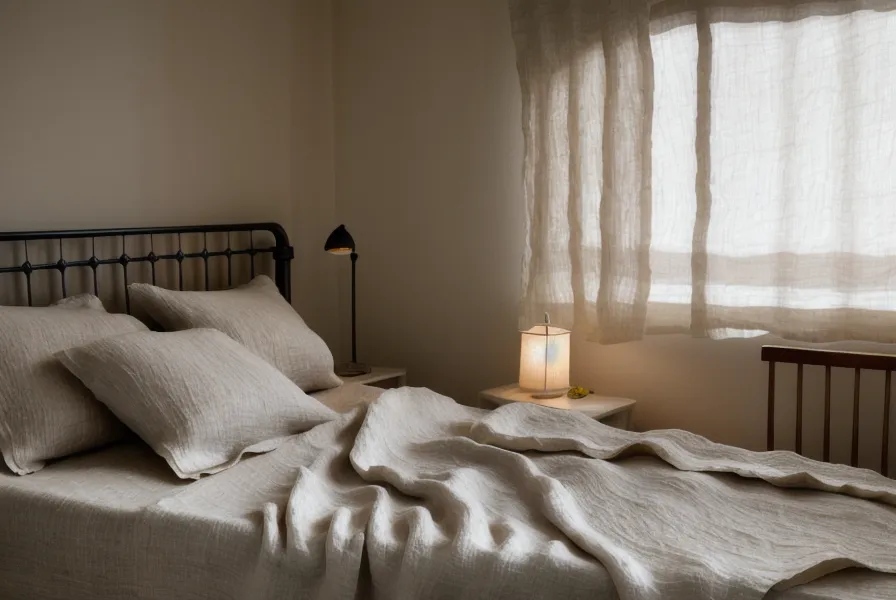
Fifteen degrees. That is the gap I measured between the inside surface of my old roller shade and the cellular shade that replaced it, on an afternoon when the thermometer outside was pushing past 100. Most people assume a shade that blocks all the light also blocks all the heat, and that assumption is exactly what kept my bedroom sitting in the low 80s for two summers before I started testing things with a probe thermometer instead of trusting the packaging.
Quick disclosure before the numbers: some of the links below are affiliate links, and if you buy through them I earn a small commission at no extra cost to you. Every shade, sheet, and cooling gadget mentioned here came out of my own wallet and spent weeks getting tested in my own bedroom before any of it made it onto this page.
The myth, stated plainly: a shade rated one hundred percent blackout must also be one hundred percent heat-blocking, because darkness and thermal resistance sound like the same property. They are not. Blocking visible light stops photons from passing through; it does nothing to stop a pane of hot glass from radiating straight at your mattress. That distinction is the whole reason window treatments deserve the same scrutiny as any other piece of bedroom-cooling gear once you start chasing real energy efficiency and a sleep environment that isn't fighting the air conditioner all night.
After my July utility bill hit $487, I went after the cooling problem the way I'd troubleshoot an overheating server rack, since you don't point a bigger fan at intake air that's already hot. For months before that I'd been testing bedding and airflow instead of the windows: running a BedJet 3 to push conditioned air under the top sheet, switching to a Blissy Mulberry Silk Pillowcase with its dense 22 momme weave to stop the morning sweat patch under my head. I'd even stacked ice packs wrapped in dish towels at the foot of the bed on the worst nights, which bought maybe twenty minutes of relief before the whole thing went lukewarm and damp. All of it helped around the edges. None of it fixed the room, because the windows kept pouring heat onto the bed every single afternoon.
Why a Fully Dark Shade Can Still Radiate Heat
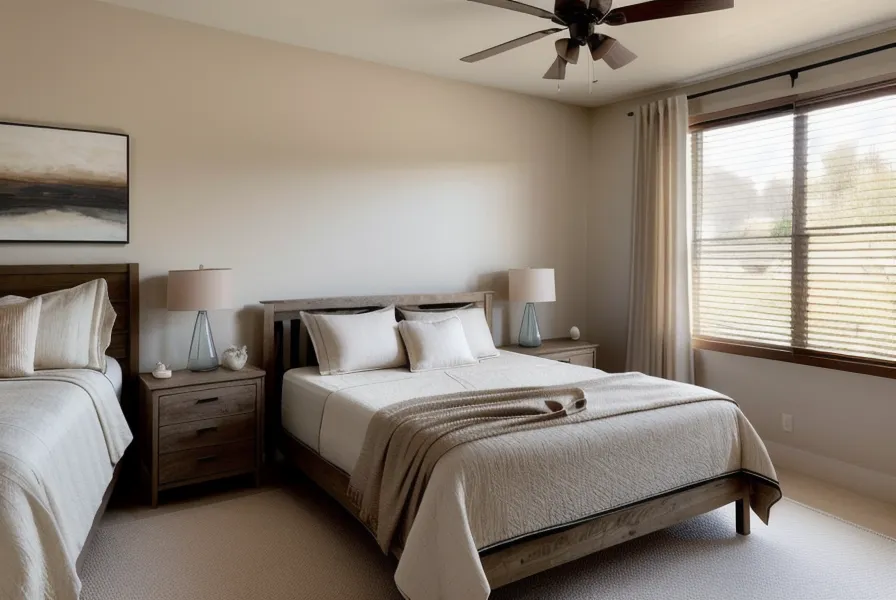
Most people shop for window coverings on looks, or on whether a fabric darkens a room enough for a lazy Sunday morning. In a climate where stucco stays hot to the touch well past sunset, that's the wrong question to lead with. A flat roller shade, whatever it's made of, behaves as a single sheet: the sun heats the glass, the glass heats the fabric, and the fabric re-radiates that heat straight into the room. My old vinyl roller felt like a hot iron if I pressed a palm against it late in the day, and it had been sold to me as fully blackout the entire time. A cellular, or honeycomb, shade works on a different principle entirely, with hollow horizontal pockets that trap a layer of still air between the glass and the room, roughly the same idea behind double-pane glass. That's thermal radiation versus insulation, and the full R-value math is a longer conversation than one article can do justice to. For this piece, the short version covers it: dead air stops conducted heat, light-blocking fabric by itself doesn't.
To see whether that held up outside a textbook, I ordered custom blackout cellular shades from SelectBlinds for the window that takes the worst of the afternoon sun, plus new blackout roller fabric samples to check whether a reflective backing could close the gap. If you want to see the fabric lines and measuring guides yourself before ordering, SelectBlinds keeps a full window coverings catalog online.
What a Thermometer Rig Showed Me Instead
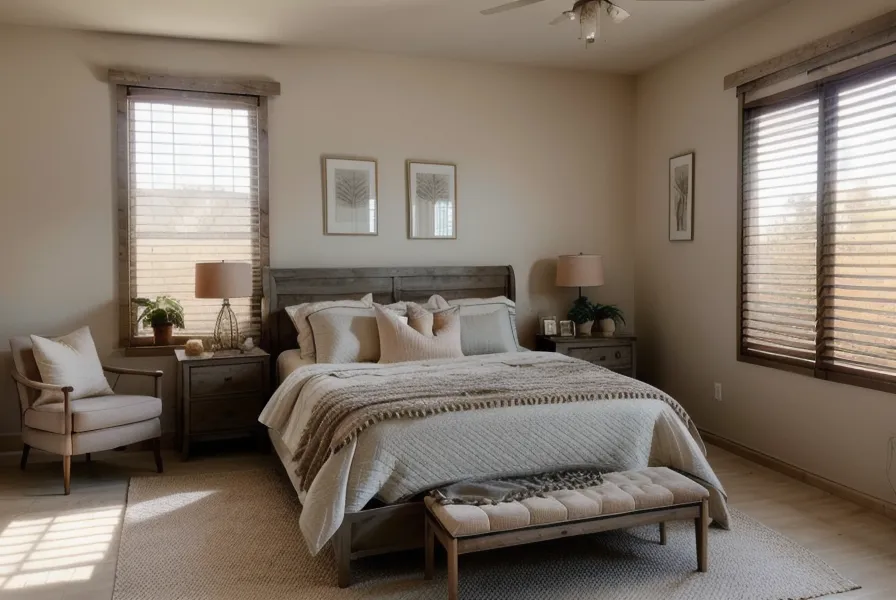
I ran this comparison over roughly four months, late spring into late summer, logging every reading off a probe thermometer on the nightstand along with an infrared gun pointed at the inside face of whatever shade happened to be hanging that week. The baseline came first, with the old flat blackout roller still up: outside temperatures sat around 98 degrees in the afternoon, the inner surface of the roller measured 94.2 degrees, and bedroom air climbed to 81.5 degrees by late afternoon even with the AC cycling every twenty minutes. By bedtime the room never dropped below 78. A few weeks into the real heat, outside readings pushed past 106, the roller's interior surface crept close to 99 degrees, turning a four-by-five-foot window into a low-grade space heater parked next to the bed, and the bedroom held at 82 degrees well past midnight. The cellular shades went up before that stretch ended, and once they'd been hanging a few weeks, with outside air still near 104, the fabric surface on the inside read 84.1 degrees. That's the fifteen-degree surface drop I opened this piece with. Bedside air settled at 76.5 before sunset, which is the kind of number that actually changes how often a compressor has to kick on. There's more on why that smaller number matters so much to an aging HVAC system in my notes on cooling a bedroom without overtaxing the AC, and the deeper physics live over in my breakdown of heat-blocking shades for west-facing bedrooms.
Cleanliness Versus Cooling: Finding the Right Balance
Look at the thermal numbers alone and cellular shades win without an argument. Living with them every day adds a wrinkle that rarely shows up in a showroom pitch: the better insulator is also the harder shade to keep clean, and the easier shade to operate loses the insulation fight outright. In a dry, dusty climate, grit doesn't just settle on a flat surface, it gets pulled into any open void by ordinary air movement near a window. A roller shade is slick and flat, so a damp microfiber cloth and one downward wipe takes care of it. A cellular shade is a row of open-ended horizontal pockets, and over a few weeks of cracking the window on a rare cool morning, fine desert dust works its way into those channels. Clearing it out means a vacuum with a brush attachment and a slow pass over every pleat, not a quick wipe, and if an insect wanders into a cell and doesn't make it back out, a can of compressed air becomes part of the routine. Roller shades also move with less resistance day to day. Adjusting light throughout a work-from-home afternoon, a roller glides without much fuss, while a wider double-cell blackout shade wants a slower, more deliberate pull so the pleats stack evenly instead of skewing sideways.
Where the Mattress Stops Mattering
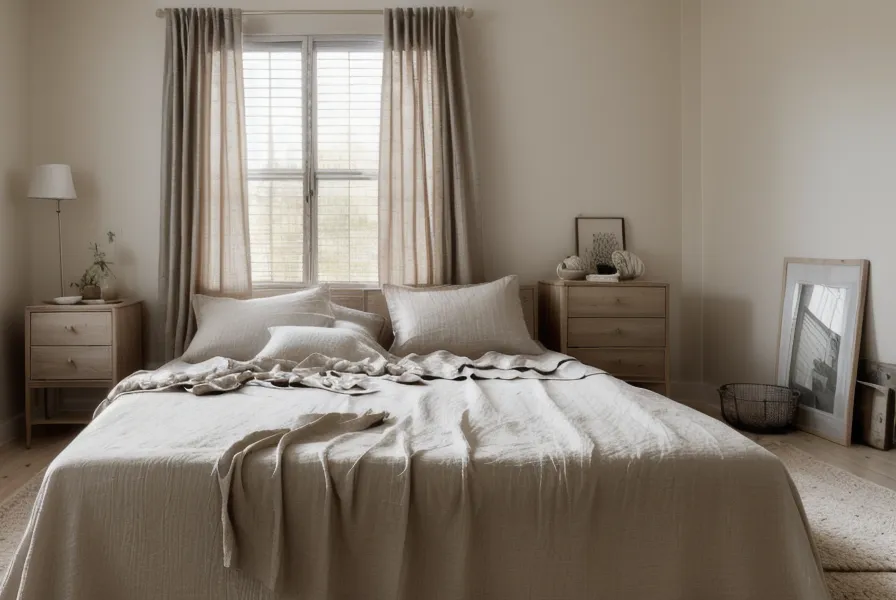
Before I touched the windows, I was convinced my mattress was the problem. I'd spent afternoons at Mattress Firm pressing on hybrid springs and breathable foam builds, sure that something underneath me was trapping heat like a thermos. Mattress density does affect airflow, but no mattress or sheet set out-cools an 82-degree room when the walls and glass are radiating heat straight into the bedding. That's a whole-room problem wearing a bed-level disguise, and treating it as the second kind just wastes money on the first. Once the SelectBlinds cellular shades pulled the late-afternoon room temperature into the mid-70s, the rest of the gear finally performed the way it was supposed to. My Schweitzer Linen Italian Sheets stopped feeling clammy, because the long-staple cotton wasn't fighting ambient heat on top of body heat anymore. The BedJet 3 started delivering air that felt genuinely cool against skin instead of lukewarm, because the intake near the floor was pulling from a room that had already settled down rather than a hotspot beside the glass. A reader named Joanna, writing in from Phoenix after working through my BedJet review, sent the kind of follow-up question I wish more people asked: does the shade choice change if the window already has a covered patio shading part of the glass? It does, some. Partial shade knocks down the peak surface temperature, but it doesn't change which construction wins once direct sun does reach the glass for a few hours a day. If you're weighing window insulation against better airflow for a bedroom that won't stay cool, my guide on energy-efficient blinds from SelectBlinds covers the inside-mount framing details that seal edge gaps.
Measure the Window Before You Trust the Fabric
Heat takes the path of least resistance no matter which shade you pick, and the best insulating fabric on the market does nothing if there's a half-inch gap running down both sides of the frame. That's where a lot of off-the-shelf shades from big-box stores fall short. When sunlight hits the glass behind an inside-mounted shade, the trapped air between glass and fabric heats up fast, and any gap at the edges lets that superheated air spill around the sides and rise into the room instead of staying contained. Custom sizing isn't an upsell here, it's the difference between a shade that actually does the job and one that just looks like it should.
When I ordered through SelectBlinds, I measured the opening at the top, middle, and bottom, because a house with three decades on it has had plenty of time to settle out of square. An eighth of an inch of difference between the top and bottom of a frame is enough to make a rigid pre-cut shade bind on one side or leave a visible light leak on the other. Custom-cut units let the manufacturer take precise deductions so the edge sits flush against the jamb without jamming during operation. My neighbor Peg, who has a habit of noticing anything different about this house before I get around to mentioning it, asked about the new shades from her driveway before I'd said a word to anyone about installing them. Lead times on custom orders usually run two to three weeks, and because the fabric is cut to exact dimensions, there's no casual do-over if the tape measure was off. Measure twice with a rigid steel tape, and order fabric swatches first to confirm backing color and opacity before committing to anything.
Choosing the Right Shade for a Desert Bedroom
The decision comes down to which problem you actually have, thermal load or daily upkeep. If your window faces east or north, sits under a mature tree, or you're somewhere summer doesn't get serious, a roller shade's slim profile and effortless cleaning make it the sensible pick, since the thermal gap won't matter enough to justify the extra maintenance. If you're dealing with a window that takes direct afternoon sun for more than a couple of hours, an HVAC system older than the shade you're replacing, or a summer electric bill that's starting to embarrass you, cellular wins on the numbers, full stop. Vacuuming pleats a couple of times a season is a small cost against a bedroom that actually holds a temperature instead of fighting you for it all evening.
These days, the sleep tracker on my nightstand shows a resting heart rate holding under 60 for the whole night without a single spike, something that never happened back when the room sat at 82 no matter how long the AC ran. That's not a claim about a shade curing anything, it's just what a room that holds steady overnight does for a body that used to wake up sweating through the sheets. If you're ready to stop radiant heat before it reaches the mattress, the custom blackout honeycomb line at SelectBlinds is where I'd start. Get the measurements right, order the fabric swatches first, and set your own baseline before you decide on anything else.
| Product | Rating | |
|---|---|---|
| SelectBlinds Best Bedroom Blackout | 8.9 | Read More → |
| BedJet 3 | 8.7 | Read More → |
| Schweitzer Linen Italian Sheets | 8.4 | Read More → |
| Blissy Mulberry Silk Pillowcase | 8.1 | Read More → |
| Mattress Firm | 7.8 | Read More → |
SelectBlinds
Pros
- ✓ Cellular blackout pockets drop bedside radiant temps by 4-5 degrees
- ✓ Free measure-and-cut sample swatches shipped prior to ordering
- ✓ Cordless lift system eliminates tangled cords along the headboard
Cons
- ▹ Custom fabrication lead time takes two to three weeks
- ▹ Zero return flexibility on custom-cut sizing if you mismeasure
- ▹ Pleats require vacuuming to clear accumulated desert dust