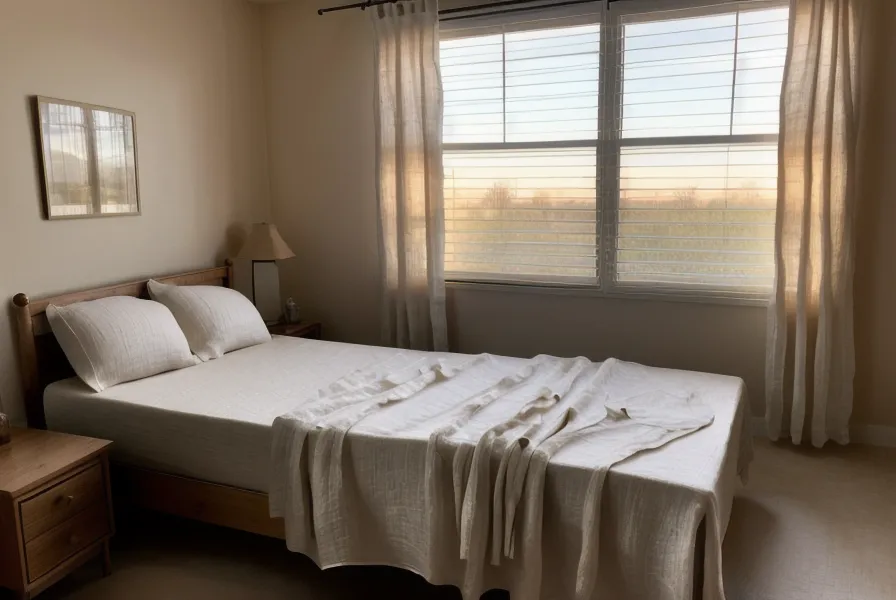
Eighty-six degrees, with the ceiling fan already on high since sunset and the hallway AC running the whole time, was the bedroom reading that finally convinced me moving air wasn't the same thing as removing heat. That's the number I still bring up whenever someone asks why their own fan-and-AC combo isn't touching their night sweats in a Tucson bedroom. A fan recirculates warm air, nothing more — it doesn't pull heat out of the room, it just makes the heat you're already sitting in feel marginally less stagnant, which is a different problem than the one hot sleepers in a desert climate are actually fighting.
Readers ask me some version of the same question almost every week: why doesn't passive cooling work here, and when is it worth switching from fan tricks to real active cooling that actually moves heat instead of just stirring it. It's really a sleep-technology question wearing an energy-efficiency disguise, because moving heat costs money whether that's a ceiling fan's wattage or a water pump's, so the real question is which one is doing a job worth the watts.
Why a Ceiling Fan on High Still Left Me Sweating
The ceiling fan was my default setting, cranked to the top speed from the moment I got into bed, and it never once brought the room below the high seventies on a July night. Moving air across skin only helps when the air is actually cooler than your skin, and after dark in an unshaded Tucson bedroom the air is still sitting in the low eighties, so the fan is just blowing warm air across you faster. That's the distinction most people miss between active and passive cooling: passive tools redistribute the heat already in the room, active tools remove it, and no amount of fan speed turns one into the other.
I'd gone as far as checking out higher-CFM fan models at the Costco on East 22nd Street, standing in the aisle comparing spec stickers like I was shopping for a server-rack cooling fan, before I accepted that nothing on that shelf was going to solve a heat-retention problem. A bigger fan just moves more of the same warm air faster. It doesn't change what's in the room.
The Sheets That Quit Working Once the Phase-Change Material Saturated
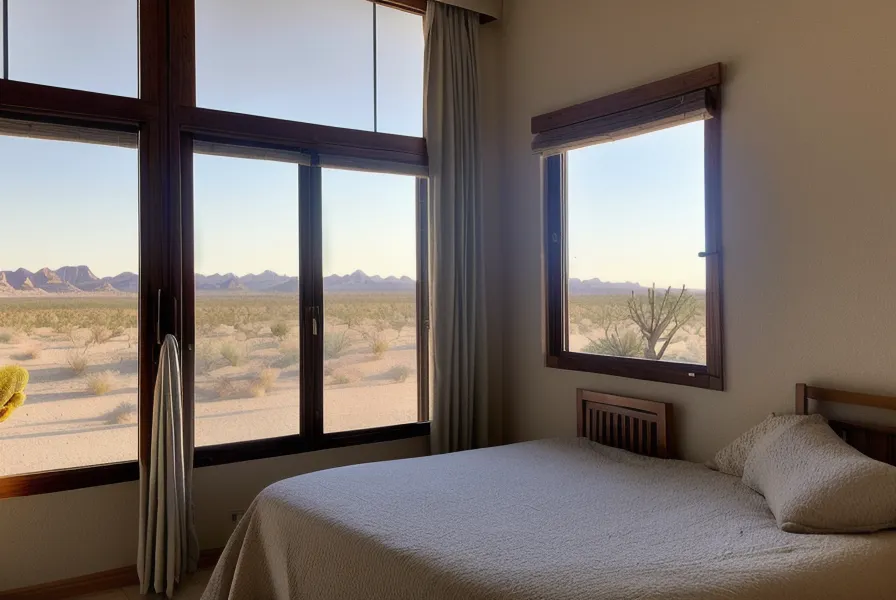
Most of the cooling sheets marketed to hot sleepers lean on Phase Change Material, the same fabric treatment that shows up in cooling pillowcases and toppers across the industry, and it works by absorbing heat up to a point before it's saturated and just sits there holding your body heat instead of pulling it away. That's the whole reason a sheet that felt chilly for the first few minutes can feel like any other sheet an hour later.
The weave matters as much as the fiber claim printed on the packaging. A tight sateen weave traps heat against skin regardless of what the thread is made from, while a looser, percale-style weave lets air move through even in a cheap cotton blend, and that distinction gets skipped entirely in favor of talking about the fiber alone.
Active Cooling Water Pads and Whether the Power Draw Is Worth It

For most hot sleepers who've already maxed out passive fixes, yes, but only if you think about it the way you'd think about any other appliance upgrade: what's the payback window against what you're already spending to fight the heat with brute-force AC. Water is a far better heat conductor than moving air, and an active system that circulates chilled water beneath the sheets pulls heat directly off your skin the way conductive cooling should, rather than hoping evaporation or ambient airflow gets there eventually the way a swamp cooler or bedroom fan does.
The full power-draw numbers live in a separate breakdown, Active Cooling vs. The Arizona Summer: My Experience with Bed Climate Tech, but the short version is that the pump draws a fraction of what it costs to drop the whole house a few degrees for everyone sleeping in it.
My friend Damon, an IT colleague who refuses to buy anything he can't put a meter on, made me log watt-hours for a full billing cycle before he'd believe the pump was worth the plug-in cost. He was more convinced by the kilowatt-hour log than by anything I said about how the bed felt, which is fair — feelings don't show up on a utility bill.
Bedroom Cooling Can Be Too Cold for Good Sleep
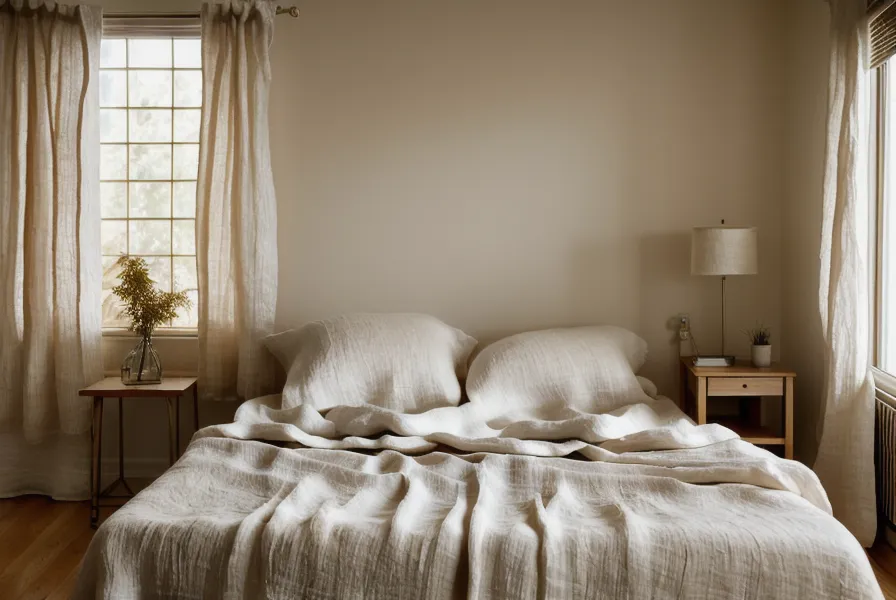
Yes, more than the heat problem ever did, which is the part most hot sleepers don't expect. Dropping the room to a flat, constant chill all night keeps you asleep, but your body still needs a slight warming trend toward morning to trigger the signal that tells it to wake up alert instead of groggy. Hold the room at the same cold number from midnight to alarm and you're fighting your own morning chemistry instead of your own sweat.
That kind of overnight temperature swing is an environmental fix, not a medical one, and it's worth saying plainly: if you're waking up soaked regardless of how cold the room is, that's a different question than the one this article is answering.
Humidity's Role in Desert Bedroom Cooling Math
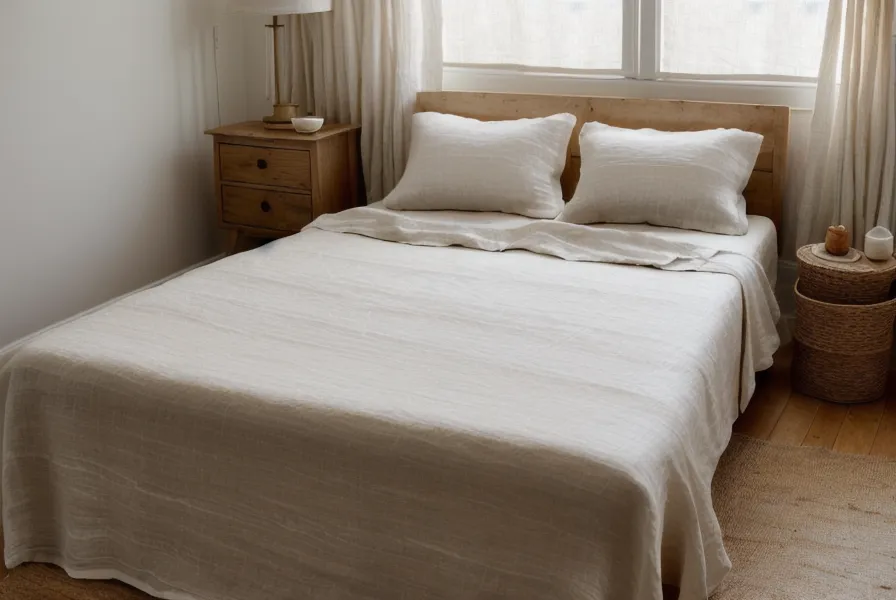
It does, and it's the variable that catches people off guard because Tucson's reputation is all dry heat. Once monsoon humidity climbs, the air stops pulling moisture off your skin as efficiently, so a bedroom that felt tolerable in June can feel heavier in August at the exact same thermometer reading. What matters isn't temperature alone but the combination of temperature and humidity.
This is where top-layer fabric choices start to matter as much as whatever's actively cooling the mattress underneath. I'd point anyone deep in monsoon season toward Cooling Bed Systems for Night Sweats After a Desert Summer for the fuller breakdown, and toward the separate piece asking are high thread count cooling sheets worth the price if you're still shopping by thread count instead of weave.
Antimicrobial or silver-infused claims solve odor and bacteria, not moisture management, and a sheet can carry one claim without doing much for the other. Waterproof mattress protectors involve a trade-off: full waterproofing blocks liquid but also traps moisture against the mattress, so the better pick for a humid monsoon night usually isn't the most waterproof option but the one that still breathes.
Cooling the Whole Room Versus Cooling Just the Bed
Whole-room cooling and bed-level cooling solve overlapping but different problems, and most people only need to pay for one of them. If the room itself is the issue — an east-facing window that keeps heat-soaking into the walls long after sunset, for instance — no amount of bed-level tech fixes that, you need to address the room's heat load directly, whether that's blinds, better glazing, or just accepting the geometry of the house. But if the room is reasonably under control and you're still overheating, the problem has moved down to the mattress, and that's a bed-level fix, not a whole-room one.
Mattress and topper problems come down to contact area and surface temperature — wherever your body actually touches the surface is where heat gets trapped, which is why side sleepers and back sleepers report completely different hot spots on the same mattress. Older memory foam makes this worse with age because the foam cells densify and compress over years of use, losing the airflow they had when new and holding heat more than they used to, so a topper that worked fine early on can feel noticeably hotter later without anything else in the bedroom changing.
My neighbor Cory, two streets over and skeptical of spending real money on anything that isn't already broken, finally asked me about all this after enough of his own sweated-through sheets. The answer I gave him was the same one above: fix whichever layer is actually failing instead of replacing everything at once.
There's one moment that still sticks with me more than any thermometer reading: reaching down out of habit to pull the covers up and stopping with my hand halfway there, because the room simply didn't ask for it anymore. That's the real test for whether any of this hardware is working — not the sleep tracker, not the thermometer log, just whether your own body stops asking for the fixes it used to need.
The payback math on any of this works the same way it does for a heat pump or a new water heater: you're not looking for the cheapest fix, you're looking for the one that stops costing you in a different currency, whether that's a higher power bill or a string of groggy mornings that cost more at work than the gadget ever would on paper. Treat the bedroom like any other appliance decision instead of a mattress-industry purchase, and the whole thing stops being guesswork.