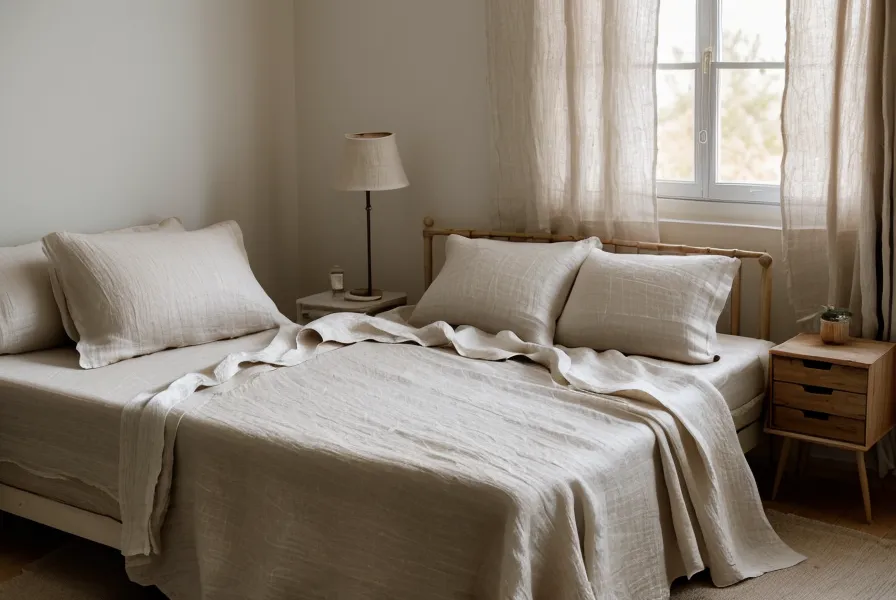
Cranking the thermostat cools the whole house; cooling the six square feet where you actually sleep costs a fraction of the watts, and a wrecked box-fan experiment is what showed me the difference. That is the real focus with cooling bedding and bedroom sleep tech in a desert-living summer: stop fighting the whole room and manage the heat load right at the mattress. Energy efficiency here is not a slogan, it is the gap between a compressor grinding all night and a setup that sips power.
Quick disclosure before the numbers: most links below are affiliate links, so if you click through and buy, the brand pays me a small commission at no extra cost to you. Every gadget here got tested through a full Tucson summer, bought on my own credit card, and logged in a notebook before a word of this went up. The full disclosure lives on the About page.
The box fan was my first real swing at beating the AC on the cheap. I wedged it into the bedroom window on exhaust mode, figuring it would pull the hot air out and drag the room temperature down with it. What it actually did was haul 95-degree night air across the bed and trade one kind of warm for another. By morning the mattress was as damp as ever, and the fan had whined at its top speed for six hours for nothing.
Cooling a poorly ventilated room, or a top-floor space where solar heat gets trapped, means treating it like a thermal load, not a breeze problem. Three levers do the actual work: block the heat before it gets in, manage the moisture against your skin, and pull heat out of the bed itself. Here is the criterion I keep coming back to, once the room refuses to drop under about 78 degrees at the mattress, passive tricks have hit their ceiling and it is time to add power. Everything before that line should cost zero watts.
Block the Heat Before It Reaches the Room
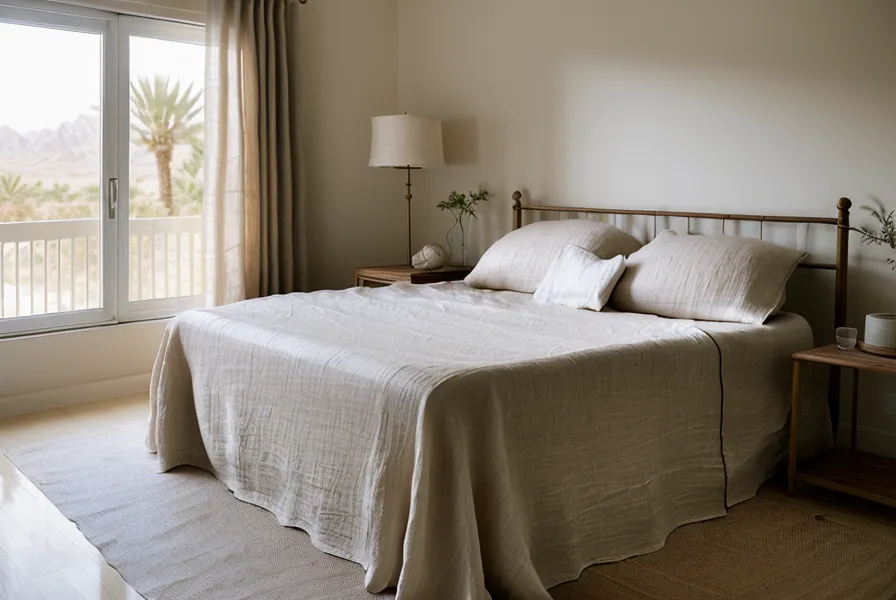
Beating the heat starts hours before bedtime, not at lights-out. A bedroom window soaks up sun all afternoon, and by evening the glass keeps radiating that heat back inside; standard blinds do almost nothing against the infrared gain. Swapping to cellular blackout shades from SelectBlinds changed the math. The honeycomb cells trap a pocket of dead air between the glass and the room, the same way an R-value slows heat through attic insulation.
A quick probe reading against the interior wall during a September heat spell told the story. The old blinds let that wall climb into the mid-80s by late afternoon; the cellular shades held it four to five degrees cooler. That is a passive win with no running cost, the sort of thing that quietly trims the load your AC has to clear after sundown. In a top-floor apartment where the HVAC is off-limits, shades like these are your first defense against the stack effect.
The Fabric Audit
Marketing loves to promise arctic sleep on polyester. Peel back the label and most "cooling" sheets are just plastic with a good ad budget; they trap sweat instead of moving it. Long-staple Egyptian cotton and linen go the other way, because longer fibers weave finer and more porous, so a layer of stagnant air never builds against your skin. I landed on a set of Schweitzer Linen Italian Sheets, where the stitching survived a year of weekly hot washes; cheaper sets tend to pill and fray by month three.
Then there is the pillow. A silk pillowcase sounds like a spa gimmick until you feel one hold its cool against your cheek long into the night. The Blissy Mulberry Silk Pillowcase runs a dense 22 momme weave, and it does not soak up a sweat patch the way cotton does; there is a real, immediate ease in your neck when your face meets something that stays cool instead of heat-soaked.
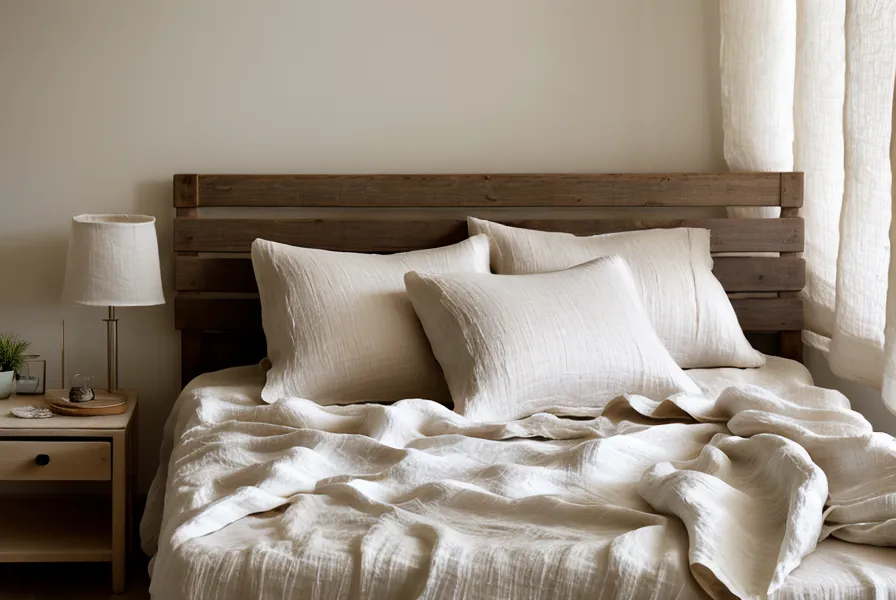
Fabrics shed body heat at wildly different rates, which is a whole rabbit hole of its own. If night sweats are the specific enemy, the deeper weave-by-weave breakdown sits in my writeup of the Best Silk Pillowcases for Hot Sleepers with Night Sweats.
When Passive Cooling Hits Its Ceiling
Passive cooling has a hard ceiling. It leans entirely on material properties, moisture wicking, thermal conductivity, a topper's phase-change absorption, and draws zero watts, which is exactly why you start there. Active cooling is the other side of the ledger: powered gear, forced air or circulated water, pulling roughly 25 to 500 watts depending on the system. Once the room parks above 78 degrees, no amount of linen or silk keeps you dry, and that watt cost starts to earn its keep.
I went with the BedJet 3 over the water-cooled pads. As an IT contractor, parking a reservoir of water on top of a mattress reads to me like a hardware failure waiting to happen, and the BedJet skips the tank entirely; it is just air through a hose under the top sheet, far less to maintain. The catalog claim is a 6-to-10-degree drop at the bed surface in under three minutes, and my Govee logs backed that up: one muggy night the room sat at 79 while the air sliding under the sheet felt like a crisp 68. The honest downside is a low hum from the hose once you push the fan to its higher speeds.
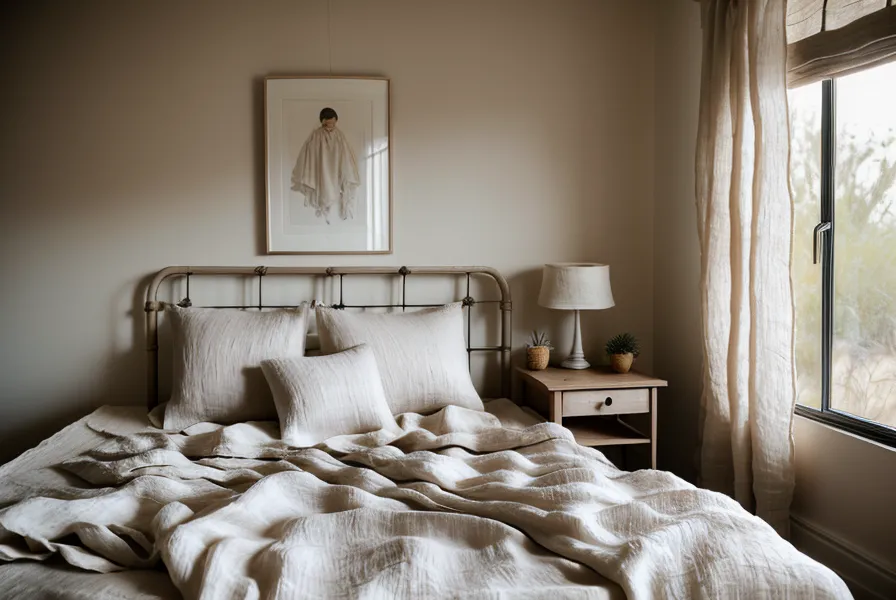
There is a real, sharp relief in air moving across your ankles under a top sheet after a 110-degree afternoon that no ceiling fan touches. Before you jump to hardware, though, it is worth running the passive-first checklist, blackout shades, moisture-wicking sheets, airflow routing, and only crossing over to a powered unit when the room temperature forces it; I lay that whole side-by-side out in my BedJet vs Chilipad Review.
Is the Mattress Itself the Real Heat Trap?
None of this holds if the mattress underneath is a sponge for body heat. Old memory foam soaks up warmth and hands it right back at 2 a.m., so the foundation is worth fixing before you spend on gadgets, and I walk through that in Simple Ways for Cooling a Memory Foam Mattress. The one time I added a fresh foam topper, the room had been shut up against the afternoon heat, and the whole slab greeted me with a rubbery new-foam smell that hung around for the better part of a week. Every passive fix, from the shades to the sheet swap, also buys back a slice of the monthly utility bill, which is really the payback window you are weighing.
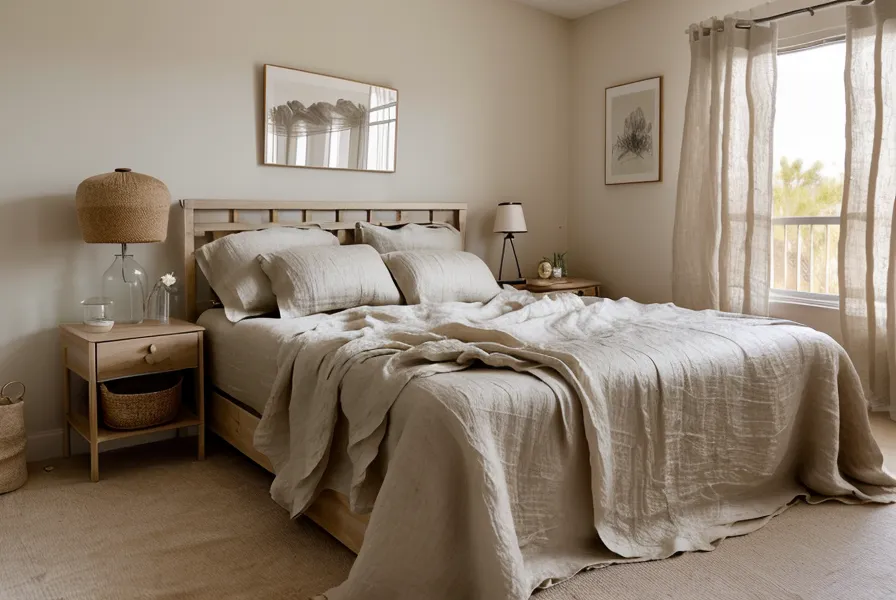
The payoff showed up around the fifth week of running the full stack. Stripping the bed to wash the sheets one morning, I found the mattress underneath bone dry for the first time in weeks, no dark outline where my back had pressed all night. My logged sleep stretched from a broken-up five hours to a solid seven once I let the BedJet timer ease the bed temperature down through the night instead of fighting it. Raw temperature is only half the story too; how much moisture hangs in the desert air on a given night swings how any of this feels, but that humidity piece is its own writeup.
Win the Six Square Feet, Not the House
Two summers of notebook logging boiled down to a simple order of operations: shades down by mid-morning, breathable sheets on the bed, and powered cooling aimed only at the mattress, never the whole room. It is the same logic I use on a server rack, isolate the heat source, route the airflow, and never lean on one thirty-year-old point of failure to carry the load. If the passive layer gets you there, stop; if the room still will not drop, the latest on the system is at the BedJet official site, and if your bed is the real heat-soak culprit, the cooling-specific mattresses at Mattress Firm are worth a look. The transferable lesson is the cheap one: cool where your body actually is, and let the rest of the house stay warm.