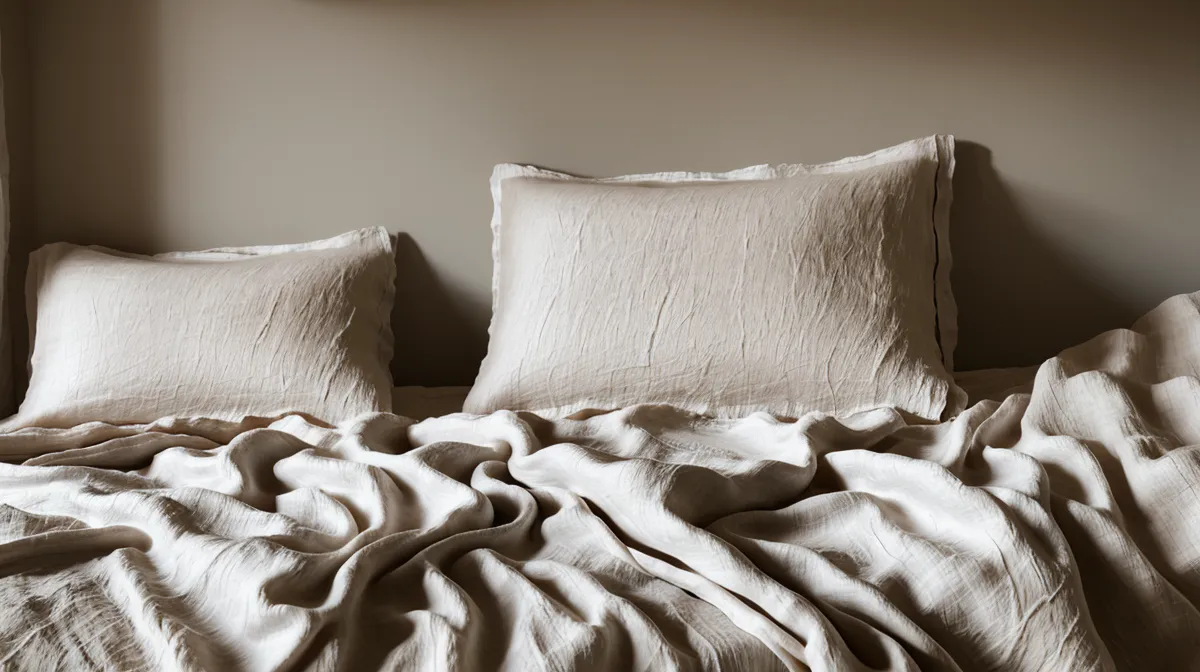
I woke up at 3:45 AM during the peak of late July during the heatwave, and the bedside thermometer was mocking me with a steady 81.4°F reading. My 1990s HVAC unit was humming its mechanical heart out, but the air coming through the vents felt like a hairdryer on its lowest setting. I flipped the pillow for the fourth time, desperate for that fleeting two-second window of 'cool side' relief, only to find that my face was practically suctioned to the fabric by a layer of trapped heat and sweat.
Quick disclosure first: most product links on this page are affiliate links. If you click through and order, I earn a commission at no extra cost to you. Every gadget and fabric mentioned here underwent a 30-day Tucson summer test cycle on my own bed, paid for with my own credit card before I ever sat down to write this. I am an IT systems contractor, not a doctor, and I treat my bedroom environment like a server room that’s dangerously close to overheating.
Before we get into the weeds, if you’re tired of the 4 AM pillow flip, you might want to look at the Blissy Mulberry Silk Pillowcase. It was the first component that actually changed the thermal conductivity of my sleep surface rather than just absorbing my misery.
The IT Systems Audit of a Sweaty Bed
When my electric bill hit $487 in July, I stopped looking at my bedroom as a place of rest and started looking at it as a failing system. In my line of work, if a server is running hot, you don’t just turn up the AC; you look at the airflow, the thermal paste, and the heat sinks. My bedroom was failing because I was sleeping on what was essentially a petroleum-based heat trap. I had been using 'satin' sheets I bought on a whim, thinking the smooth texture equaled cooling. It didn’t.
The problem is that most 'satin' sold in big-box stores is actually polyester. From a chemical standpoint, you are sleeping on a plastic bag. Plastic doesn’t breathe; it reflects heat back at the source—which, in this case, was my face. In the single-digit humidity of a Tucson June, this created a double-edged sword: the fabric trapped heat while simultaneously generating enough static electricity to power a small village. I realized I needed to upgrade the material integrity of the system.
Silk vs. Satin: The Molecular Difference in the Desert
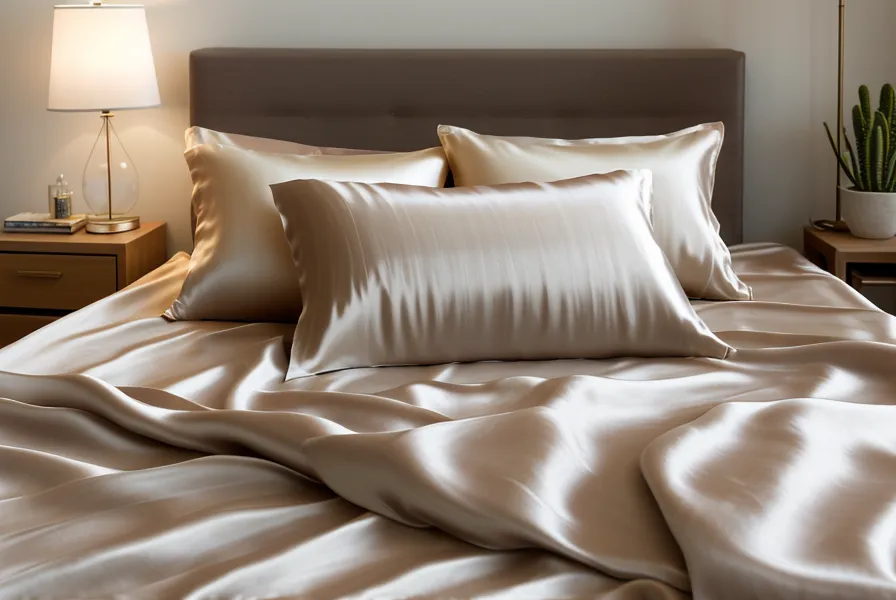
After a week of research that felt like pricing a new water heater or calculating the payback window on a high-efficiency heat pump, I found the core issue. Natural silk is a protein fiber. Unlike synthetic satin, silk has a natural ability to regulate temperature. It’s a breathable material that allows for air exchange, which is critical when you’re trying to dump heat from your head and neck.
In mid-September last year, I started a side-by-side comparison. One week on the polyester satin, one week on the 22 momme Blissy silk. The numbers didn’t lie. While my room temperature remained a stubborn 78°F (the best my old AC can do during a monsoon), the surface temperature of the silk pillowcase stayed consistently 2 to 3 degrees lower than the synthetic version after two hours of contact.
There is also a measurable tradeoff I hadn’t considered: moisture retention. In a dry climate like ours, the air wants to suck moisture out of everything. Satin (polyester) doesn’t absorb moisture, which sounds good for 'cooling' but actually results in a layer of sweat sitting between your skin and the pillow. Silk, however, manages to retain a specific level of moisture within the fiber itself. This prevents your skin from dehydrating in the desert air without feeling damp. The cost of this benefit? You have to wash it more frequently to maintain that material integrity. If you let oils build up on silk, it loses its thermal efficiency faster than cotton does.
The 22 Momme Benchmark
When you’re looking at silk, the 'momme' weight is your R-value. It’s the measurement of fabric density. Most cheap silk is 19 momme or lower—it feels thin, like it’s going to tear if you sneeze. The Blissy Mulberry Silk Pillowcase uses 22 momme, which I found to be the sweet spot for durability and cooling. It has enough 'heft' to stay put on the pillow, unlike the satin ones that used to slide off the bed like a wet bar of soap.
I paired this with my BedJet 3, which provides a cooling temperature range of 6 to 10 degrees Fahrenheit directly under the sheets. The combination was the first time I felt like I had a managed environment. The BedJet handled the bulk of the body heat, but the silk pillowcase solved the 'hot face' problem that forced-air systems sometimes struggle with. It’s about layering the right tech for the right problem.
Building the Cooling Stack
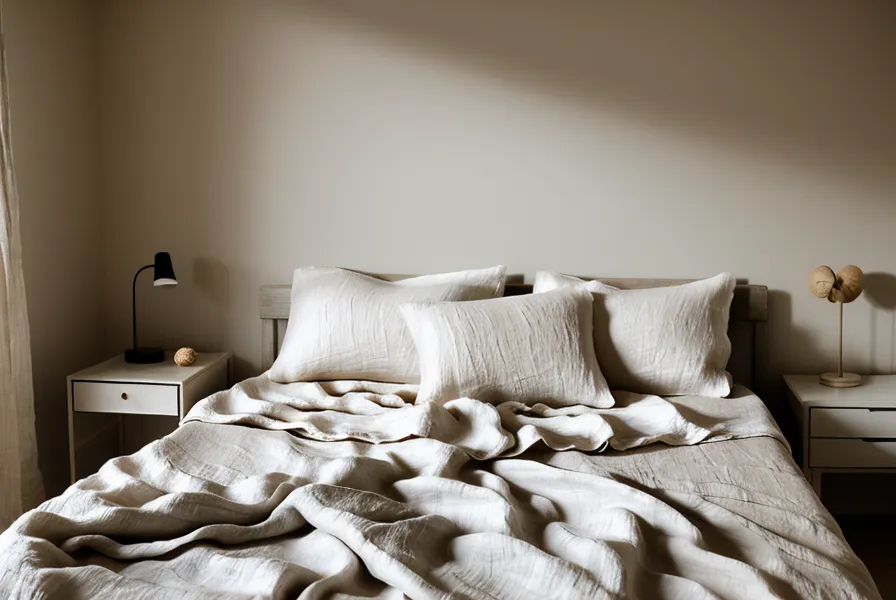
One particularly dry evening in June, I realized that the pillowcase was just the 'interface layer.' To really stabilize the room, I had to look at the whole stack. I swapped my old blinds for cellular blackout shades from SelectBlinds to drop the ambient load during the day, and I upgraded to Schweitzer Linen Italian Sheets. These sheets actually fit my 14-inch mattress depth without the corners popping off at 2 AM, which is a small victory that shouldn’t be overlooked.
I even spent some time at a Mattress Firm showroom testing how different materials felt against my arm. They offer a 120-night sleep trial, which is the kind of warranty period I look for when I’m deploying new hardware for a client. If it doesn’t perform in the real world, I want the option to swap it out. You can read more about that experience in my guide on The Tucson Summer Survival Guide.
The Maintenance Reality
Let’s talk about the 'stubborn' part of my testing. Marketing copy for these silk pillowcases often promises 'arctic sleep' on what turns out to be glorified polyester. If the box doesn’t say 100% Mulberry Silk, put it back. And if you think you can just throw silk in a hot wash with your work jeans, you’re going to be out eighty bucks very quickly.
After the first week of testing, I noticed that the silk required a delicate cycle and air-drying. It’s like maintaining a high-end espresso machine; it works better than the cheap stuff, but it requires a specific maintenance schedule. For me, the tradeoff of not waking up with a face that feels like it’s been shrink-wrapped is worth the extra ten minutes of laundry care. If you’re looking to start your own 'system upgrade,' I’d suggest starting with the Blissy Mulberry Silk Pillowcase and seeing if your morning thermometer logs show the same improvement mine did.
The Final Tally
After a full season of testing from the peak of late summer through the monsoon, the results are in my notebook. My sleep duration increased by an average of 45 minutes per night simply because I wasn’t waking up to adjust my pillow. My skin didn’t have that 'parched' feeling I usually get in October when the humidity drops to nothing. It wasn’t a single 'magic bullet' that fixed my $487 electric bill, but it was a critical component in a larger system that finally let me sleep through the night in a house built in the nineties with an HVAC system that’s seen better days.
If you’re ready to stop sleeping on plastic and start managing your bedroom climate like a professional, give the Blissy Silk Pillowcase a shot. It’s a small investment that pays back every time you don’t have to flip the pillow at 4 AM.
| Product | Rating | |
|---|---|---|
| Blissy Mulberry Silk Pillowcase Top Pick | 8.9 | Read More → |
| BedJet 3 | 9.2 | Read More → |
| Schweitzer Linen Italian Sheets | 8.5 | Read More → |
| SelectBlinds Blackout Shades | 8.1 | Read More → |
Blissy Mulberry Silk Pillowcase
Pros
- ✓ 22 momme silk weight provides a noticeably cooler surface than cotton or polyester
- ✓ Natural protein fibers prevent skin dehydration in dry desert climates
- ✓ Significant reduction in morning facial creases and 'sleep-sweat' patches
Cons
- ▹ Requires delicate washing and air-drying to maintain thermal efficiency
- ▹ Premium price point compared to synthetic 'satin' alternatives