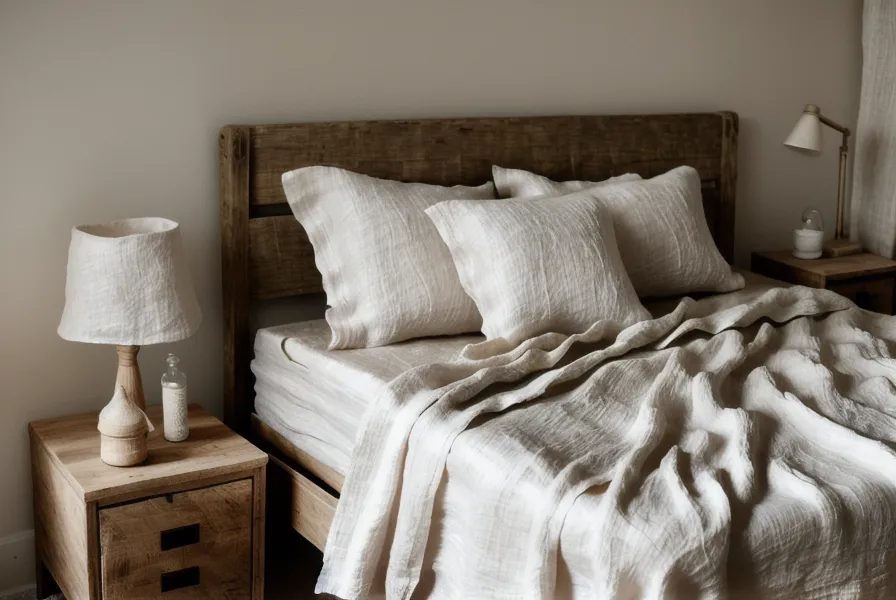
Same bedroom, same air conditioner setting, and the mattress-surface probe reads nearly two degrees warmer under a sateen top sheet than it does under percale, night after night. That gap is the whole argument, compressed into one number.
For years I shopped sheets the way I'd shop a water heater or a replacement compressor: find the biggest spec on the box and assume it buys performance. In retail bedding that spec is thread count, and an eight-hundred-thread sateen set looked, on paper, like the high-efficiency unit. More fiber per square inch, a smoother finish, a premium price tag, so it should have outperformed anything thinner.
What it actually delivered was closer to a vapor barrier than a cooling layer. If you sleep hot in a climate where the bedroom holds in the mid-to-upper seventies after midnight, the physical difference between percale and sateen weaves stops being a style choice and turns into a thermal problem worth measuring.
Weave Beats Thread Count for Hot Sleepers
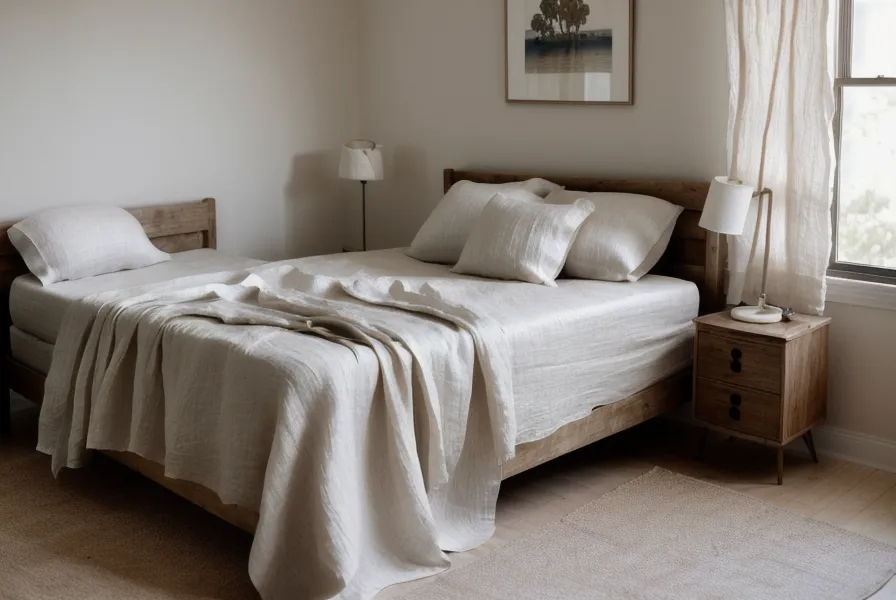
The two weaves are built differently: percale locks every yarn at a tight over-under cross, and sateen floats several yarns across the surface for that glossy hand. That's really the only mechanical fact that matters here, because what actually separates them on a hot night is airflow, not the spec sheet.
A 600-thread sateen set I used as a baseline felt premium out of the bag, but with the room sitting at seventy-seven degrees, the pocket under the sheet still read 82.4 degrees, barely different from an eight-hundred-thread version I'd tried before that. Only when I dropped down to a 300-thread percale did the same low bedside fan do anything useful, pulling that pocket to 78.1 degrees, basically tracking the room. Climbing the thread count on sateen never closed that gap; it just meant paying more for the same stuffy pocket of air.
Sateen's whole pitch is that cool, slick hand you feel the second you lie down, a sensation that fades within a few minutes as the fabric warms to match your skin and then holds onto that heat for the rest of the night, a different failure mode than the one I got into when I wrote about why I wake up hot every night during summer.
A Misting Fan on the Nightstand
Before any of the sheet testing, I'd already burned money chasing the gadget route. A small misting fan from the Broadway Home Depot near Wilmot Road seemed like a reasonable stopgap: set it on the nightstand, aim it at the bed, let it do some of the work while the AC caught up. It didn't. The fine mist settled on the nightstand finish and left the air around the pillow damp instead of cool, which is worse than doing nothing when the sheet on top of you is already sealing moisture in.
Nothing about that fan was defective. It just solved the wrong layer of the problem. Adding humidity next to a sateen sheet that already traps body heat is like running a space heater and a window unit in the same room and hoping they average out.
Pilling, Wrinkles, and the Wash-Down Curve
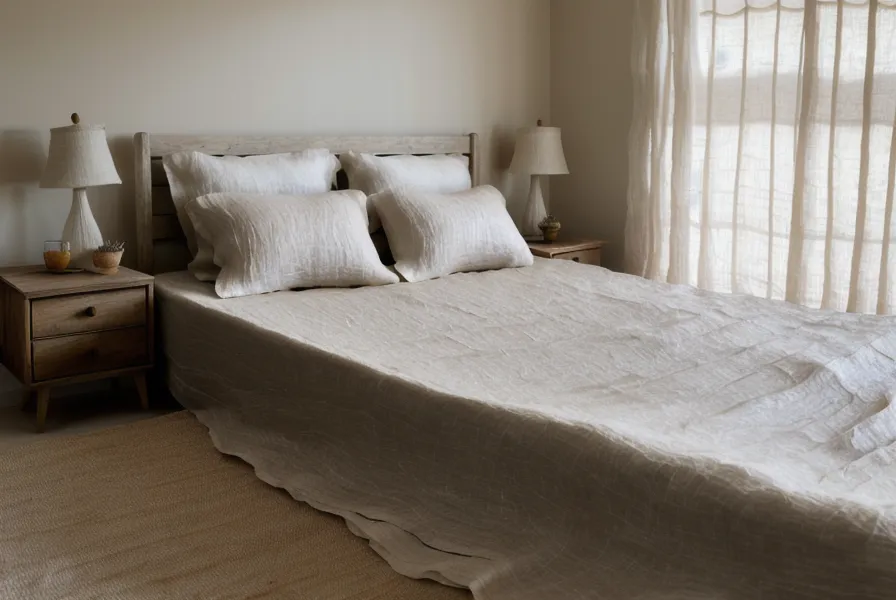
Pull a cheap sateen set out of its packaging and there's a faint chemical smell, almost waxy, reminiscent of unboxing a foam mattress topper once and having to prop the windows open against the off-gassing before I could stand being in the room for long. That buttery-smooth feel on a mass-market sateen set usually comes from a chemical softening finish sprayed onto the fabric, not from the cotton underneath it.
Within a handful of weekly washes, that finish wears down and the fabric underneath roughens up. The sheet that felt silky in month one starts pilling by month two, and pilled cotton traps heat worse than it did new. A well-made Italian percale skips that finish entirely. It arrives stiff, almost like a pressed cotton shirt fresh from the drawer, and it wrinkles the moment it comes out of the dryer because there's no synthetic coating locking the fibers flat. I've stopped fighting the wrinkles. They're the tradeoff for a sheet that still breathes the same way in October as it did in June, long after a sateen set has started to turn.
Does Percale Hold Up Once the Monsoon Rolls In?
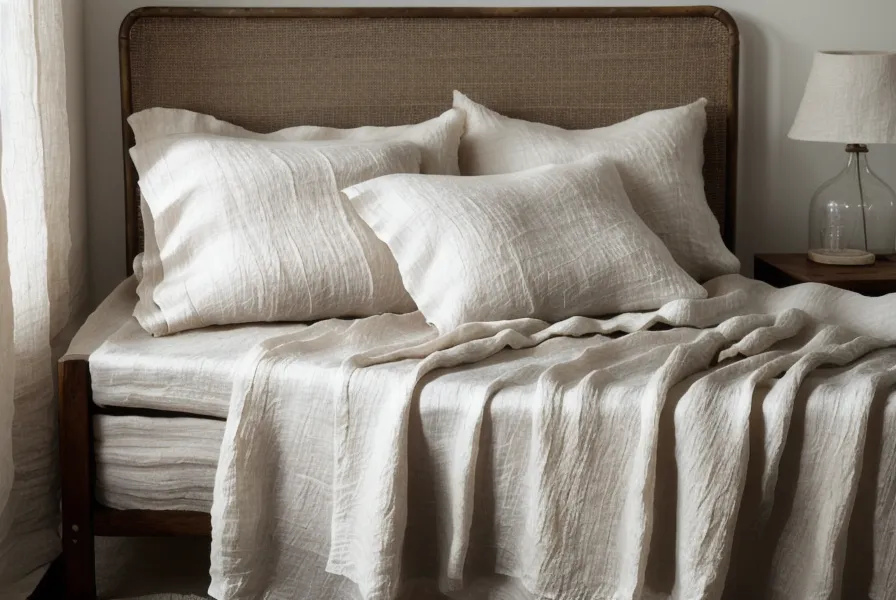
Early summer is where percale looks unbeatable. With the room sitting at eighty degrees and the indoor air dry, the sateen microclimate under the covers climbed past eighty-five within two hours of lights-out, while the percale layer held at 81.2 and tracked close to room temperature the whole night.
Monsoon season changes the math. Once outdoor storms push bedroom humidity up into the fifty-five-to-sixty percent range, the gap I'd gotten used to narrows fast: on a 79-degree night, percale sat at 80.5, sateen at 81.8, a degree and a half apart instead of four or five. The fabric still won, but it stopped feeling like a clear advantage, which tells you temperature and humidity are really two separate problems wearing one costume. I broke down the humidity side of that on its own, if you want the fuller rundown on taming bedroom moisture before it undoes whatever sheet you're on: Cooling My Tucson Bedroom: The IT Contractor's Setup for Beating Desert Heatwaves.
The Choice Comes Down to Your Humidity, Not Your Budget
None of this matters much to someone who's rarely in the bedroom when it's hot. A friend of mine does a trail run through Sabino Canyon before sunrise most mornings and is cooled off and out the door before his room ever gets uncomfortable, since he's never once asked me about thread count. Sitting up out of habit around a quarter to six most mornings, before the house wakes up, the first thing I check is the back of my neck, and under percale it's dry more often than not, which is the whole case in one gesture.
For everyone else still in bed at that hour, here's the short version. In a dry climate, or any bedroom running well under the muggy range for indoor humidity, percale is the better bet, worth the wrinkles and the ironing you'll skip anyway. Once humidity climbs into that sticky range for weeks at a stretch, the temperature advantage shrinks enough that sateen's tighter weave and wrinkle-free finish become a reasonable trade, especially if you're already running a dehumidifier to manage the rest of the house. Match the sheet to the air in the room, not to the number on the label, and you'll get closer to a cool night than any fan on the nightstand ever managed.