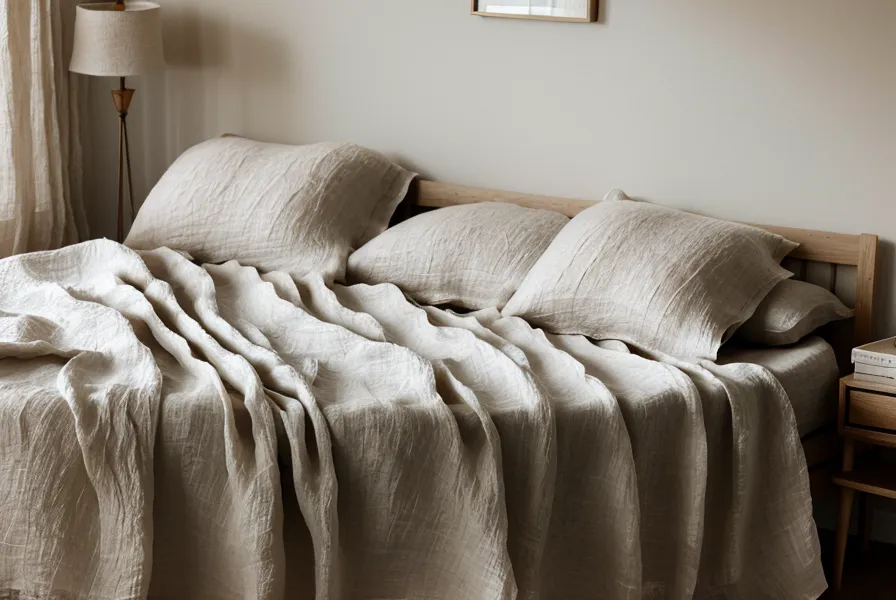
After rewashing a sheet multiple times, you eventually have to admit the smell isn't coming out in the wash. It's baked into the fabric. Sweat works into cotton fast in a Tucson bedroom that barely dips below the high seventies overnight, and a set that smells fine on Monday can smell like a locker room by Wednesday, a familiar problem for most hot sleepers chasing better bedroom hygiene long before antimicrobial fabric ever entered the conversation. One morning the bedside thermometer read 74 degrees, the first reading under 76 I'd logged since May, and the sheets still carried that sour edge from the night before, which told me the temperature wasn't the whole story.
Rewashing more often didn't fix it. I'd already swapped to a 1000-thread-count Egyptian cotton set marketed as breathable, hoping a higher thread count alone would solve the smell, and it didn't — pulling that cotton taut in the dark left a faint sticky drag against my palm, the kind that meant the fabric hadn't really dried out between washes, odor included.
Before getting into why silver works where plain cotton doesn't, here's the disclosure: several of the product links below are affiliate links, meaning a purchase through them sends a small commission without changing the price you pay. Every sheet set and gadget mentioned here got a full test run on my own bed, paid for with my own card, and the complete policy lives on the About page.
Why Bedroom Odor Sticks to Cotton Sheets Longer Than People Expect
Cotton holds onto both sweat and humidity longer than most people assume, and that second number matters more than the thermometer reading by itself — a room can sit at a reasonable temperature and still trap enough moisture against the mattress to feed a bacteria colony overnight. The smell itself isn't the sweat; it's bacteria breaking down sweat and skin oil that's worked into the weave, which is why a sheet can look clean and still smell off by the second night, and it's the variable most hot sleepers notice first. Bamboo and cotton also hold heat differently before any antimicrobial treatment even enters the picture, a separate question entirely from whether the fabric is doing anything about bacteria.
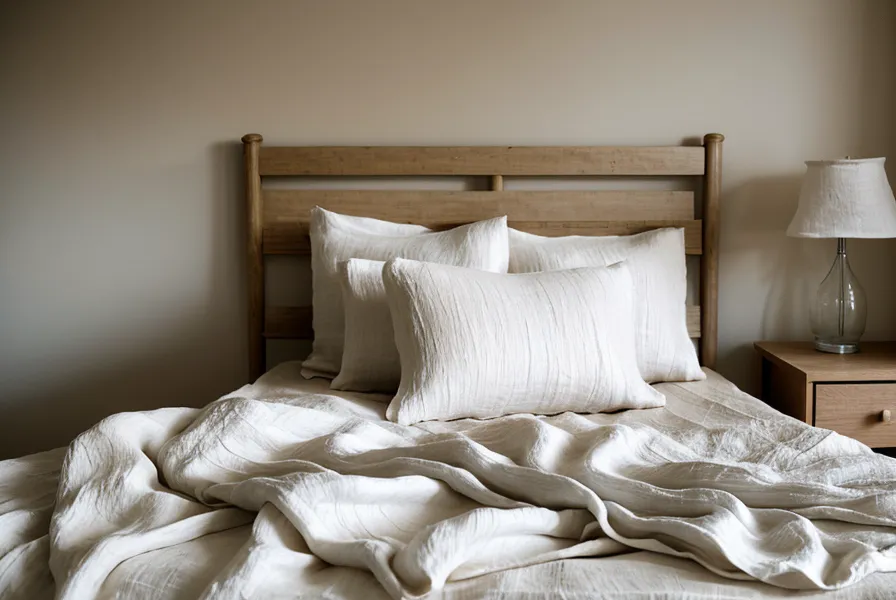
How Antimicrobial Bedding Interrupts the Bacteria Cycle
Most people picture jewelry when they hear the word silver, but in a textile mill the working number is its atomic number, 47, and it's woven into the thread itself rather than sprayed on as a coating that rinses out after a few hot washes. Contact with bacteria doesn't let a colony get the same foothold it gets on plain cotton, and that's the whole mechanism worth caring about without turning this into a chemistry lecture.
Moisture-wicking fabric does a related but different job — it moves sweat off your skin faster, while an antimicrobial treatment keeps bacteria from multiplying once that moisture is already sitting in the weave, and a sheet can technically do one of those without doing the other. A cooling topper underneath changes the surface temperature you're lying on, which is a separate variable again, unrelated to whether the top layer is doing anything about bacterial buildup. None of that addresses the heat soaking through an aluminum-framed window by mid-afternoon, either — that's a room-level problem no sheet, silver-treated or not, is built to fix.
Testing Silver-Treated Sheets Against a Straight Cotton Swap
The clearest signal during a side-by-side test isn't a sniff on night one, it's how many days pass before the set needs a wash just to stay neutral. Under the silver-treated set, the localized damp patch that usually forces a shift to the cooler side of the mattress showed up less often, and the set held past a week without turning sour — something the Egyptian cotton set never managed past night two or three. Weave structure plays into this as much as fiber content does; a tighter percale weave breathes differently than a heavier sateen regardless of what's treating the fibers, and a side sleeper traps heat against a smaller patch of fabric than a back sleeper does, which changes how fast any given set starts to smell. It's not the same job as a Blissy Mulberry Silk Pillowcase, which I keep near my face for an entirely different reason, but the crispness of the silver-treated cotton held up in a way plain cotton never did.
My friend Morris, who's dealt with Phoenix summers long enough to have strong opinions about most of what's sold to hot sleepers, texted me a link to a silver-infused set at midnight with exactly one word attached: "these." A set from a brand called Miracle Sheets is the one that ended up on my bed for that stretch, and whatever the marketing copy claims about washing three times less often, the fabric itself stayed usable well past the point where the Egyptian cotton had already gone sour. A showroom can make almost any fabric feel cold for the first ten seconds under fluorescent lighting — the real test is what it's doing halfway through the night after eight hours of body heat, and that's a different measurement than whatever a mattress store display promises.
The Point Where Silver Treatment Runs Out of Room
Volume breaks the pattern. Anyone sweating hard enough to soak a set every single night — heavy training blocks, long shifts on your feet, whatever's driving that kind of output — can push past what a woven-in treatment is built to handle, and the smell comes back on a normal cotton timeline regardless of what the tag promises. That's not a defect in the fabric, it's bacterial load outrunning the treatment, and the fix in that case is washing on a real schedule instead of trusting the marketing claim about stretching out laundry day.
Pairing the sheets with something that actually moves air changes the math, too. A BedJet 3 is an active system pumping air under the covers, a fundamentally different approach from a passive fabric treatment sitting still on the mattress — one is doing evaporative work, pulling moisture away before it sits long enough to soak the fibers, while the other is just resisting what lands on it. Keep the airflow moving and the silver-treated threads have an easier job, because moisture never gets the chance to pool. More of my setup notes on combining airflow with fabric choices are in my Tucson Summer Survival Guide. One more distinction worth making here: ordinary heat sweat from a warm bedroom is a different animal from night sweats tied to an underlying health issue, and no fabric treatment, silver or otherwise, is the fix for the second kind — that conversation belongs with a doctor, not a sheet review.
A guy I trade notes with on a home-improvement forum, Wendell, deals with baseline room temperatures in Las Vegas that run higher than mine most nights, and he's landed on the same conclusion from the opposite side of the desert: fabric treatment handles bacteria, it doesn't handle a leaking mattress or a room that won't cool down. A waterproof mattress protector solves an entirely different problem and creates the opposite trade-off — it blocks moisture from a spill, but it also traps the moisture you're generating, which works against everything a breathable, treated sheet is trying to do.
Deciding If the Swap Is Worth It for Your Bedroom
Running the numbers the way I'd price out any appliance, a silver-treated set earns its keep if it cuts the laundry cycle enough to offset the higher upfront cost within a season or two — the same payback logic I'd apply to a heat pump or a new water heater, not a leap of faith. Whole-room fixes and bed-level fixes are also solving different problems, worth keeping separate: blackout blinds or better insulation lower the heat load hitting the room in the first place, while what's on the mattress only deals with what happens once you're already lying in it. If you're rewashing a set more than twice a week just to keep the room from smelling used, and you're not in the high-volume sweat category covered above, that's the actual threshold for switching — not whatever the package copy promises.
For anyone who runs hotter than a fabric conversation alone can fix, I've also written up moisture wicking sheets as a separate angle, and spent an afternoon at a Mattress Firm testing cooling layers in person to see what a showroom actually gets right. Readers chasing premium fabric quality without the antimicrobial treatment might look at Schweitzer Linen Italian Sheets instead, a solid option, though you're back to washing on the old schedule to keep odor in check. Between the two approaches, the treated set is the one still doing its job on night six without extra effort, which is the only claim that held up past a full summer of testing.